

People Float Instead of Sinking on Egypt’s Siwa Salt Lakes
The Siwa Salt Lakes in Egypt’s Siwa Oasis are known for their striking turquoise water and for a rare experience: in many of the pools, it is extremely difficult to sink

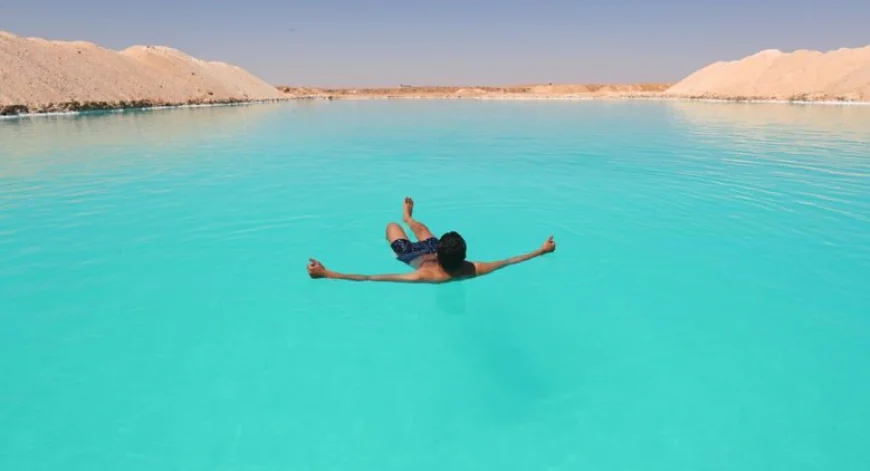
The Siwa Salt Lakes in Egypt’s Siwa Oasis are known for their striking turquoise water and for a rare experience: in many of the pools, it is extremely difficult to sink. Unlike some viral travel locations that disappoint in real life, these desert pools often look much like the photos shared online.
Located near Egypt’s border with Libya, the pools are shaped by the area’s geology and by salt extraction. As minerals are excavated from dried salt lakes, some basins later fill naturally with water from underground springs. In the intense desert climate, water evaporates quickly, leaving behind very high concentrations of mineral salts. That salinity makes the water denser, creating strong buoyancy, so swimmers tend to float on the surface soon after entering.
Some accounts say salt levels in certain pools can rise to extremely high concentrations — far higher than seawater — which further increases buoyancy and makes sinking unlikely.
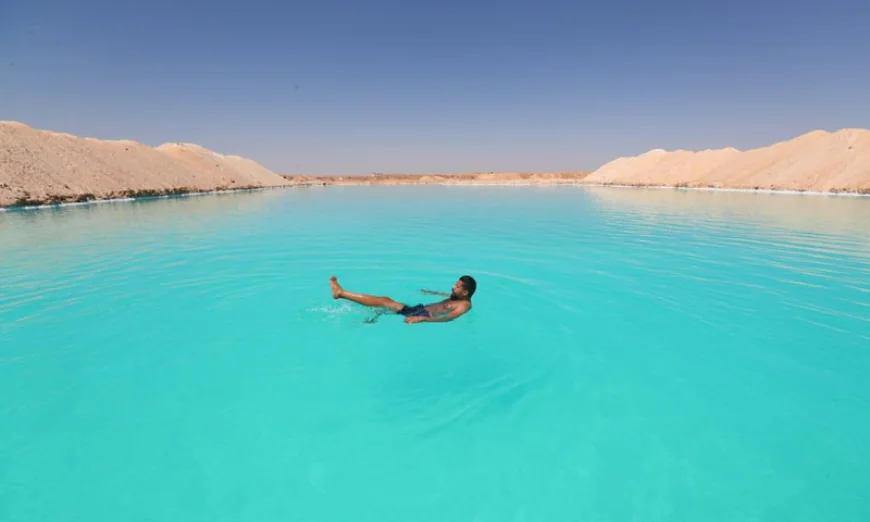
After minerals are excavated from dried salt lakes, some basins later fill with water from underground springs. In the intense desert climate, water evaporates quickly, leaving behind very high concentrations of mineral salts. That salinity makes the water denser, creating strong buoyancy, so swimmers tend to float on the surface soon after entering. Photo: Xinhua
Beyond their appearance, the Siwa lakes are also linked to the oasis’s long history. Reports note archaeological finds in the region dating back thousands of years. Locally, salt and salt-rich materials have traditionally been used in construction, including in structures such as the historic Shali Fortress.
Today, salt taken from the lakes and ponds is used in a range of products and in wellness practices. Many visitors and locals believe the mineral-rich water can help with skin and sinus problems, though these claims are largely based on tradition and personal experience.
Visitors are commonly advised to be cautious: avoid getting the water into your eyes and avoid shaving right before swimming to reduce irritation.
To reach the lakes, travelers typically book day tours from Cairo or Alexandria or use local transport such as tuk-tuks for shorter trips. Alongside floating in the salt pools, tourists often visit Cleopatra’s Pool, the Oracle Temple, the Shali Fortress area and the Mountain of the Dead tombs. Siwa became more accessible after a highway opened in the 1980s, bringing the once-isolated oasis onto Egypt’s travel map.
Read More: Why Bangladesh Struggles to Attract Tourists
Tourism Struggles Ahead of Ramadan in Bangladesh
How Political Unrest Crushed Bangladesh's Tourism & Aviation Industry
Why Bangladesh Struggles to Attract Tourists
A Year of Rapid Change in Bangladesh’s Aviation Industry
Some Heritage Sites and Monuments of Bangladesh
Nine Attractive and Scenic Places of Bangladesh
Narayanganj's Murapara Zamindar Bari: A Unique Example of Architectural Style
Bangladesh’s Aviation Drive Could Reshape Future of Tourism
Bangladesh-India Relations Show Signs of Recovery
New Bangladesh Govt Brings Light of Hope to Indian Tourism Sector
Bangladesh Resumes Visa Services in India
Bangladesh in the Eyes of an Indian Traveller
International Arbitration Board orders CAAB to Pay Tk1,650cr to ADC
Prime Minister Holds Meeting on Dhaka Airport’s Third Terminal
Old Dhaka’s Iftar: A Timeless Cuisine of Flavours and Heritage
New Airport Cargo Facility Lies Idle Amid Export Slowdown
Russia Unbound: Tours, Visas, and Travel Tips for Bangladeshi Nationals
Govt Steps Up Airport Safety Measures
Cricket Diplomacy Delivers Tourism Boom for Sri Lanka
UK to Issue Only E-Visas for Bangladeshi Applicants from February 25
Indonesia Visa System for Bangladeshi Travelers and Businessmen: What You Need to Know in 2026
Cox’s Bazar Dried Fish Market: A 300cr Industry Beckons Tourists, Exporters
Development of Tourism Industry and Existing Barriers
What's Your Reaction?
 Like
0
Like
0
 Dislike
0
Dislike
0
 Love
0
Love
0
 Funny
0
Funny
0
 Wow
0
Wow
0
 Sad
0
Sad
0
 Angry
0
Angry
0



Comments (0)