

72 tigers die in 12 days at Thai tourism parks; outbreak now contained
In an update issued this week, government representatives confirmed that no additional tiger deaths have been recorded since containment measures were introduced

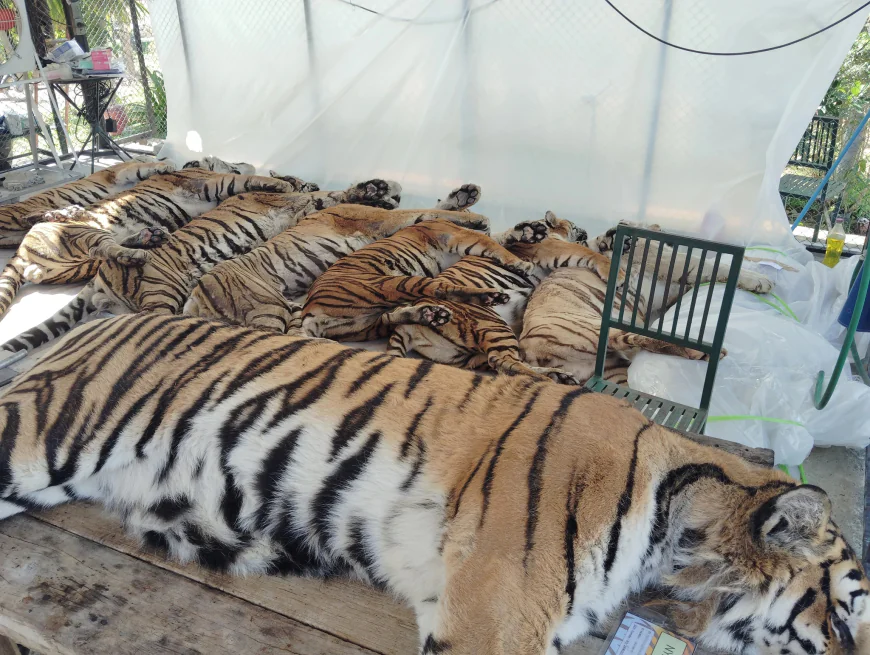
Thai authorities say a deadly viral outbreak that killed 72 tigers in less than two weeks at two wildlife tourism parks in Chiang Mai has now been brought under control, days after the incident triggered alarm across the country’s tourism sector.
The deaths took place between February 8 and 19 at two branches of Tiger Kingdom — 51 animals at the Mae Taeng facility and 21 at Mae Rim. Officials temporarily shut down the Mae Rim park for 14 days following the outbreak.
In an update issued this week, government representatives confirmed that no additional tiger deaths have been recorded since containment measures were introduced. Surviving animals remain under close veterinary supervision.
Virus identified
Veterinary teams from Chiang Mai University detected canine distemper virus (CDV) in tissue samples collected from the deceased tigers. The virus, while commonly found in domestic dogs, can spread to large carnivores and is often fatal once symptoms emerge.
Authorities are still investigating the source of the infection. One line of inquiry focuses on raw chicken supplied to the parks from a private farm, though no final determination has been announced.
Enhanced sanitation procedures have been implemented at both facilities. Remaining tigers are being isolated and vaccinated, and staff members are under a 21-day health monitoring protocol. Officials say no human infections have been detected.
Tourism sector under scrutiny
The parks are popular with international visitors for offering close-contact experiences, including supervised handling and photography sessions with the animals. The outbreak has reignited debate over biosecurity standards and the risks associated with high-volume tourist interaction in captive wildlife settings.
Animal welfare organization Wildlife Friends Foundation Thailand said the incident underscores systemic weaknesses in captive wildlife tourism, arguing that confinement and frequent human contact heighten disease transmission risks.
Before the outbreak, the two facilities reportedly housed 246 tigers. The loss of nearly one-third of that population represents one of the most significant mortality events involving captive tigers in Thailand’s recent history.
As authorities work to restore confidence, the case is likely to influence future regulation of wildlife tourism operations in a country where animal attractions remain a major draw for visitors.
Read More: Is global air travel on edge?
Airspaces close across ME following Iran-Israel strikes
Govt to reopen closed airports before building new ones
Bangladesh in the Eyes of an Indian Traveller
Busting Myths: What It's Like to Travel Across Bangladesh
Busting Myths: What It's Like to Travel Across Bangladesh
Why Bangladesh Struggles to Attract Tourists
Bandarban: The Paradise of Nature
Bangladesh–India–Tripura bus service resumes after 18-month suspension
How Political Unrest Crushed Bangladesh's Tourism & Aviation Industry
Why Bangladesh Struggles to Attract Tourists
Some Heritage Sites and Monuments of Bangladesh
Nine Attractive and Scenic Places of Bangladesh
What's Your Reaction?
 Like
0
Like
0
 Dislike
0
Dislike
0
 Love
0
Love
0
 Funny
0
Funny
0
 Wow
0
Wow
0
 Sad
0
Sad
0
 Angry
0
Angry
0





Comments (0)