

Tourism Struggles Ahead of Ramadan in Bangladesh
Hotels and resorts across the country have reported weaker bookings, a downturn driven by a mix of political uncertainty, security concerns, and the broader national climate surrounding the recent election

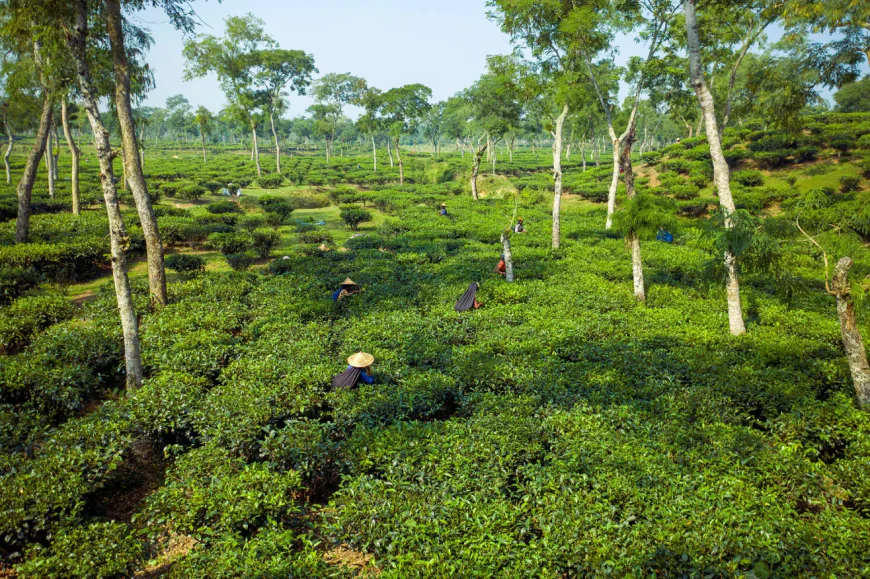
Bangladesh’s tourism industry is navigating one of its toughest seasons in recent memory.
Hotels and resorts across the country have reported weaker bookings, a downturn driven by a mix of political uncertainty, security concerns, and the broader national climate surrounding the recent election. Traditionally a peak period for domestic travel, this winter season has fallen short of expectations, prompting operators to rethink their strategies.
As Ramadan approaches, resorts and hotels from Gazipur to Sylhet and Cox’s Bazar are rolling out steep discounts and special packages. Price cuts range from 30 to 60 percent at properties such as Sarah Resort in Rajabari to flat 50 percent reductions at Bhawal Resort and Spa. Even high-demand beach destinations such as Cox’s Bazar are offering half-price deals alongside curated iftar and sehri packages to attract guests.
The scale of these promotions reflects more than a temporary dip in demand. In Gazipur, room occupancy fell to around 20 percent this February, compared with 50 percent in the same period last year. Resorts in Sylhet report a 20 percent decline, while in Cox’s Bazar bookings are already down by about 30 percent ahead of the fasting month. These figures suggest that political and social conditions have had a tangible impact on domestic tourism, reshaping visitor patterns even before Ramadan begins.
Operators are hoping that the Eid holidays will offset some of these losses, but the window is narrow. For now, the sector is maintaining a delicate balance: attracting travellers with aggressive discounts while managing the financial strain caused by lower occupancy.
The measures being introduced underscore a broader reality for Bangladesh’s tourism sector: even established destinations remain vulnerable to wider national fluctuations. This season’s experience may influence how hotels, resorts and travel platforms prepare for future cycles, combining price incentives with innovative packages to sustain visitor interest in an uncertain environment.
Read More: Why Bangladesh Struggles to Attract Tourists
Tourism Struggles Ahead of Ramadan in Bangladesh
Bangladesh–India–Tripura bus service resumes after 18-month suspension
How Political Unrest Crushed Bangladesh's Tourism & Aviation Industry
Why Bangladesh Struggles to Attract Tourists
A Year of Rapid Change in Bangladesh’s Aviation Industry
Some Heritage Sites and Monuments of Bangladesh
Nine Attractive and Scenic Places of Bangladesh
Narayanganj's Murapara Zamindar Bari: A Unique Example of Architectural Style
Bangladesh’s Aviation Drive Could Reshape Future of Tourism
Bangladesh-India Relations Show Signs of Recovery
New Bangladesh Govt Brings Light of Hope to Indian Tourism Sector
Bangladesh Resumes Visa Services in India
Bangladesh in the Eyes of an Indian Traveller
International Arbitration Board orders CAAB to Pay Tk1,650cr to ADC
Prime Minister Holds Meeting on Dhaka Airport’s Third Terminal
Old Dhaka’s Iftar: A Timeless Cuisine of Flavours and Heritage
New Airport Cargo Facility Lies Idle Amid Export Slowdown
Russia Unbound: Tours, Visas, and Travel Tips for Bangladeshi Nationals
Travel Alert Issued Following Killing of Cartel Leader in Mexico
What's Your Reaction?
 Like
0
Like
0
 Dislike
0
Dislike
0
 Love
0
Love
0
 Funny
0
Funny
0
 Wow
0
Wow
0
 Sad
0
Sad
0
 Angry
0
Angry
0



Comments (0)