

30,000 tonnes of diesel, jet fuel arrive at Chattogram Port
Bangladesh strengthens its energy stocks amid global challenges

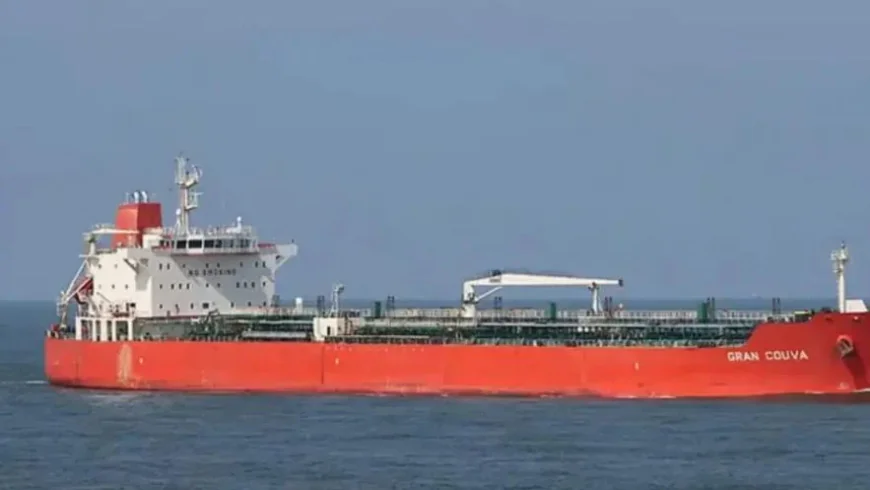
A vessel carrying 30,000 tonnes of fuel oil—comprising 10,000 tonnes of diesel and 20,000 tonnes of jet fuel—docked at Chattogram port on Thursday, according to the Bangladesh Sangbad Sangstha (BSS).
The shipment is expected to provide some relief amid ongoing supply uncertainties caused by regional instability. Chattogram Port Secretary Syed Refaet Hamim confirmed that the ship, named 'MT Gran Couva', arrived on March 26. The fuel was supplied by Chinese company Unipec under an existing agreement.
Boosting national reserves
Bangladesh Petroleum Corporation (BPC) Senior General Manager Yusuf Hossain Bhuiyan stated that the newly arrived fuel will enhance existing stocks. Currently, the country holds 200,000 tonnes of diesel in reserve. The imported diesel will be directed to the transport and industrial sectors, while the jet fuel will be distributed to various airports across Bangladesh.
This marks the ninth oil tanker to arrive in the country this month, with a total of 17 vessels scheduled to dock. BPC imports and supplies five categories of fuel oil, including diesel, petrol, octane, and jet fuel.
Navigating global challenges
Recent fuel management challenges have stemmed from global price hikes and supply delays, intensified by ongoing conflicts in the Middle East. BPC Chairman Md. Rezanur Rahman confirmed that the vessel arrived on schedule yesterday, ensuring no fuel shortages in the country. He added that efforts are underway to source oil from alternative suppliers.
Import framework
BPC typically imports fuel through government-to-government (G2G) agreements and international tenders, with an annual import volume of 6.5 to 6.8 million tonnes. Approximately 1.5 million tonnes of crude oil, primarily from Saudi Arabia and the United Arab Emirates, are imported annually. Of this, 20 percent is refined domestically, while the remaining 80 percent is imported in refined form from countries such as India, China, and Indonesia.
What's Your Reaction?
 Like
0
Like
0
 Dislike
0
Dislike
0
 Love
0
Love
0
 Funny
0
Funny
0
 Wow
0
Wow
0
 Sad
0
Sad
0
 Angry
0
Angry
0



Comments (0)