Bangladesh-India Relations Show Signs of Recovery
Recent diplomatic engagements and policy shifts suggest notable improvements expected in key areas such as tourism, visa services and air connectivity
 Anwar Hossain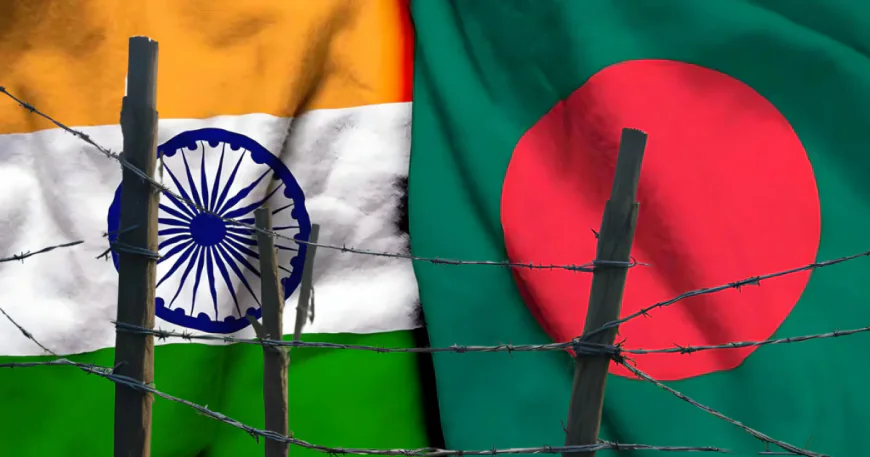
After a prolonged period of tension, Bangladesh-India relations appear to be moving towards recovery, with notable improvements expected in key areas such as tourism, visa services and air connectivity. Recent diplomatic engagements and policy shifts suggest a gradual but encouraging thaw in bilateral ties between the two neighbouring countries.
Tensions between Bangladesh and India escalated in the wake of the July uprising in Bangladesh, which forced former Prime Minister Sheikh Hasina into exile in India. The political upheaval triggered widespread protests in Bangladesh, particularly over India’s decision to shelter Hasina, and led to growing mistrust between the two nations. Long-standing concerns — including border killings, delays in water-sharing agreements, trade imbalances and restrictive visa policies — further fuelled public discontent and strained diplomatic relations.
However, following the recent change of government in Bangladesh, both countries have begun restoring normal engagement, particularly in the tourism and visa sectors.
Visa services and people-to-people ties
One of the key steps in rebuilding ties has been the resumption of visa services. Last Friday, the Bangladesh High Commission in New Delhi resumed issuing visas to Indian nationals, marking a significant move towards restoring people-to-people connectivity.
The Bangladesh Consulate in Sylhet has also announced preparations to fully restart its visa operations. Medical and double-entry visas are already being issued, and other categories, including tourist visas, are expected to be introduced soon.
The move is widely seen as part of a broader diplomatic effort to revive cooperation and encourage exchanges between citizens of both countries. Diplomatic sources say the resumption of visa services reflects a clear intention to restore the cordial ties that had remained strained for more than a year.
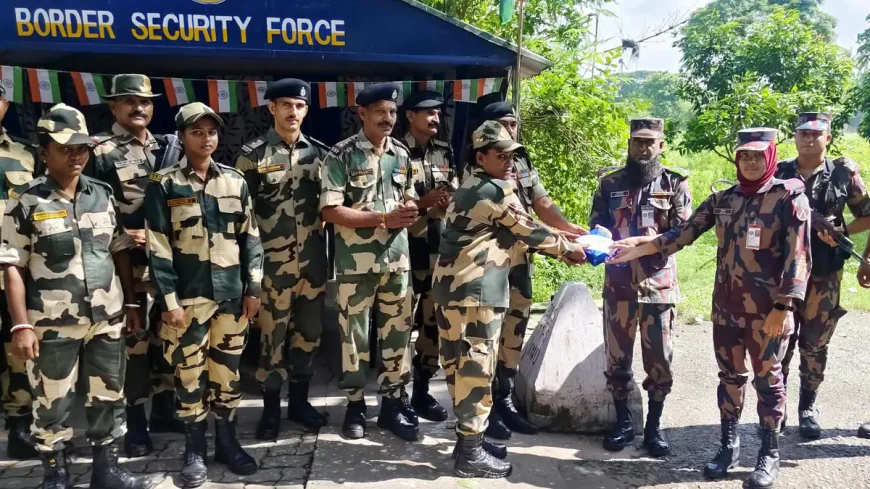
Border Security Force personnel exchange sweets with Bangladesh Border Guard personnel in Dakshin Dinajpur, West Bengal, on August 15, 2025. | Photo: Mansur Mandal/ANI
Air connectivity and travel links
Air connectivity between Bangladesh and India is also expected to improve. Discussions are under way to increase flight frequencies and reinstate suspended routes, making travel easier for tourists, businesspeople and students.
With both governments prioritising the expansion of air services, the initiative is likely to boost tourism and regional trade, while strengthening economic and cultural links between the two nations.
Tourism: A growing sector
Tourism is set to be one of the main beneficiaries of improved relations. Bangladesh and India share deep cultural and historical ties, which have traditionally encouraged cross-border travel. As diplomatic relations stabilise, tourism between the two countries is expected to rebound.
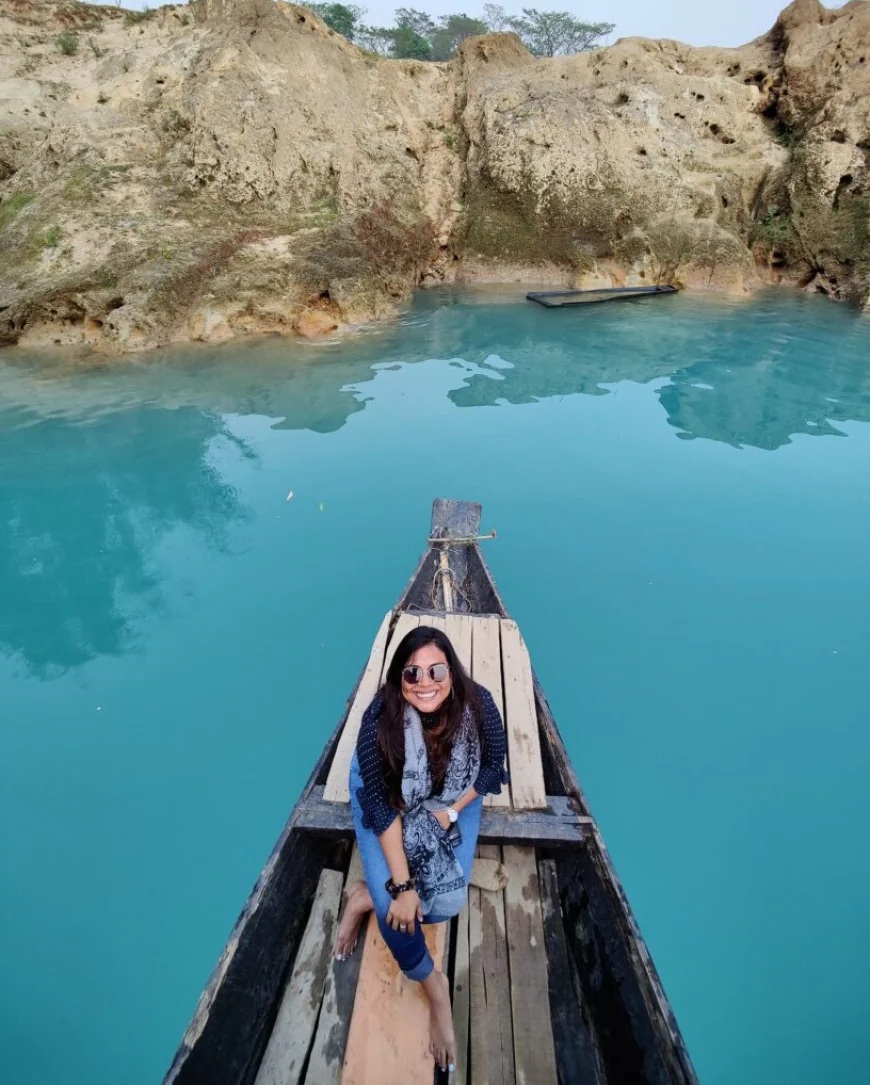
Indian travel blogger Riyanka Roy poses for a photo on a boat at Kaptai Lake in Rangamati in Bangladesh. Photo: roytellstales.com
Indian nationals who previously faced difficulties obtaining visas to visit Bangladesh will now be better positioned to explore the country’s vibrant cities, historic landmarks and natural attractions. Likewise, Bangladeshi travellers are expected to find it easier to visit India’s iconic sites, cultural festivals and pilgrimage destinations, fostering greater mutual understanding and cross-border engagement.
Political diplomacy and strategic shifts
The diplomatic thaw has also been reflected in recent political exchanges. At the swearing-in ceremony of Bangladesh’s new Prime Minister, Tariq Rahman, India was represented by Lok Sabha Speaker Om Birla, who delivered a letter from Prime Minister Narendra Modi. The message reaffirmed India’s support for a democratic and inclusive Bangladesh and signalled New Delhi’s willingness to deepen engagement with its neighbour.
Mirza Fakhrul Islam Alamgir, the newly appointed Minister for Local Government in Bangladesh, expressed optimism about the future of bilateral ties. He said political changes in Bangladesh should not hinder relations with India and stressed that the partnership must not be held hostage to any single issue, including Sheikh Hasina’s stay in India. Instead, he urged both sides to focus on broader cooperation.
Strategic connectivity: Rail and road links
In another significant development, Bangladesh’s Minister for Road, Rail and Water Transport, Sheikh Rabiul Alam, announced that both countries are assessing the possibility of resuming rail connectivity. A decision is expected within the next 15 days.
Restoring rail links could substantially enhance trade, tourism, medical travel and educational exchanges, while also helping to rebuild political trust between the two countries.
Cultural and historical ties
Cultural diplomacy is also playing a role in easing tensions. During International Mother Language Day celebrations in Rajshahi, India’s Assistant High Commissioner Manoj Kumar highlighted the deep historical and cultural bonds shared by the two nations. He noted that the relationship is rooted in the shared Bengali language and cultural heritage, providing a strong foundation for future collaboration.
Looking ahead: A cautious optimism
Diplomatic observers caution that while the current progress is encouraging, the recovery process remains gradual and carefully managed. Improvements in visa services, air connectivity and tourism indicate a mutual willingness to rebuild ties. However, long-term stability will depend on addressing sensitive issues such as border security, water-sharing agreements and trade imbalances.
Dr Imtiaz Ahmed, a professor at Dhaka University, emphasised the importance of maintaining balanced diplomatic engagement. “In the past, Bangladesh-India relations have often been linked to specific political parties rather than the broader public. For the relationship to remain sustainable, India must engage with the people of Bangladesh as a whole, not just one political group,” he said.
In conclusion, although optimism is growing over the revival of Bangladesh-India relations, sustained diplomatic effort, cultural engagement and economic cooperation will be essential. Both countries appear keen to draw on their shared history and mutual interests as they work towards strengthening ties in the months ahead.
Read More: Why Bangladesh Struggles to Attract Tourists
Tourism Struggles Ahead of Ramadan in Bangladesh
How Political Unrest Crushed Bangladesh's Tourism & Aviation Industry
Why Bangladesh Struggles to Attract Tourists
A Year of Rapid Change in Bangladesh’s Aviation Industry
Some Heritage Sites and Monuments of Bangladesh
Nine Attractive and Scenic Places of Bangladesh
Narayanganj's Murapara Zamindar Bari: A Unique Example of Architectural Style
Old Dhaka’s Iftar: A Timeless Cuisine of Flavours and Heritage
Bangladesh’s Aviation Drive Could Reshape Future of Tourism
New Bangladesh Govt Brings Light of Hope to Indian Tourism Sector
Bangladesh Resumes Visa Services in India
Bangladesh in the Eyes of an Indian Traveller
International Arbitration Board orders CAAB to Pay Tk1,650cr to ADC
Prime Minister Holds Meeting on Dhaka Airport’s Third Terminal