Varendra Research Museum exhibits centuries-old artefacts in Rajshahi
Located in front of Hetamkhan Sadar Hospital in the heart of Rajshahi city, the museum bears evidence of several thousand years of civilisation, including those of the Pala, Sena, Maurya and Gupta periods
 ATT Desk Report
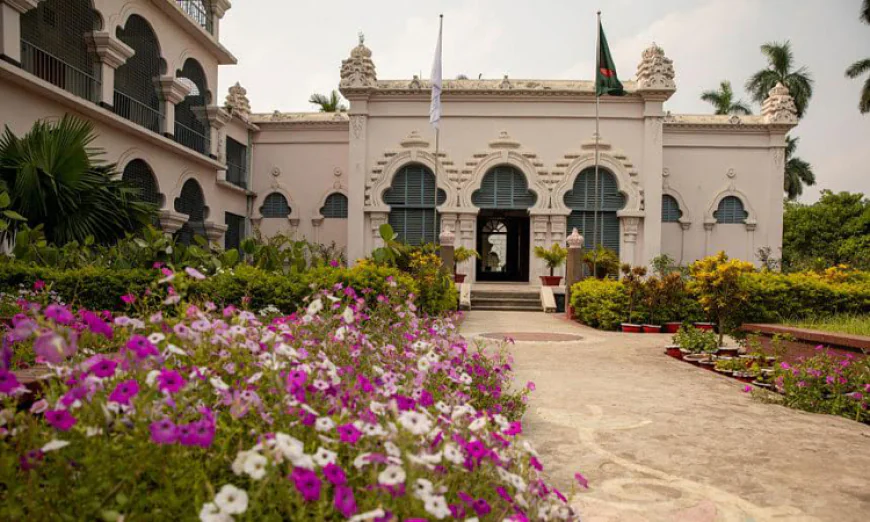
Varendra Research Museum, the first museum established in the erstwhile East Bengal in 1910 and now run by Rajshahi University, is a popular tourist attraction, especially for archaeology enthusiasts.
Located in front of Hetamkhan Sadar Hospital in the heart of Rajshahi city, the museum bears evidence of several thousand years of civilisation, including those of the Pala, Sena, Maurya and Gupta periods, reports BSS.

The museum was established in 1910 through the efforts of Zamindar Kumar Sarath Kumar Roy of the Dighapatia royal family of Natore, renowned lawyer-historian Akshay Kumar Maitreya, and Ramaprasad Chandra, a teacher of Rajshahi Collegiate School.
From the latter half of the nineteenth century, the conscious section of society became enthusiastic about the preservation and restoration of history, tradition, literature and culture.
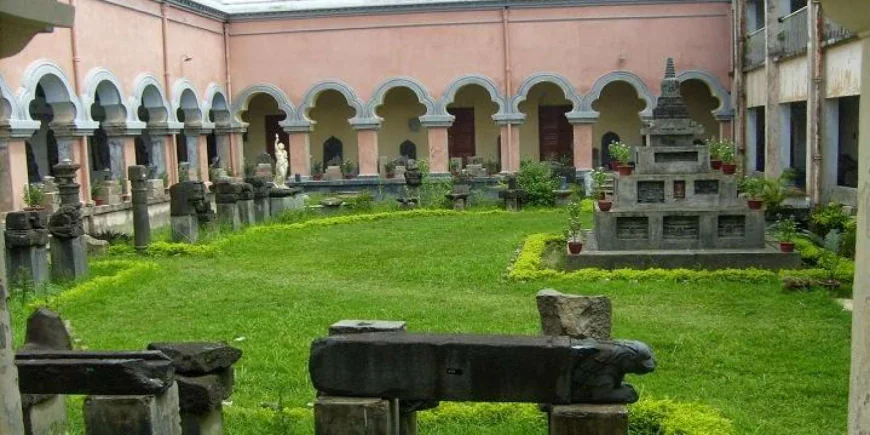
Display of ancient artefacts inside the museum. Photo: Rajshahi University
As a result, the Bengali Sahitya Parishad was established to collect and preserve almost forgotten literary artefacts and historical and archaeological resources.
Sarath Kumar Roy, Akshay Kumar Maitreya and Ramaprasad Chandra attended the first two sessions of the organisation and presented enlightening articles on Barendrabhumi's archaeology.
In 1910, they went on an archaeological expedition to Khanjanpur in Bogura district and reached a consensus to form a society to collect and preserve its heritage, leading to the formation of the Barendra Research Society.
The association conducted research and collected 32 rare archaeological artefacts, including the famous black stone "Gangamurti", from various places in the Rajshahi district.
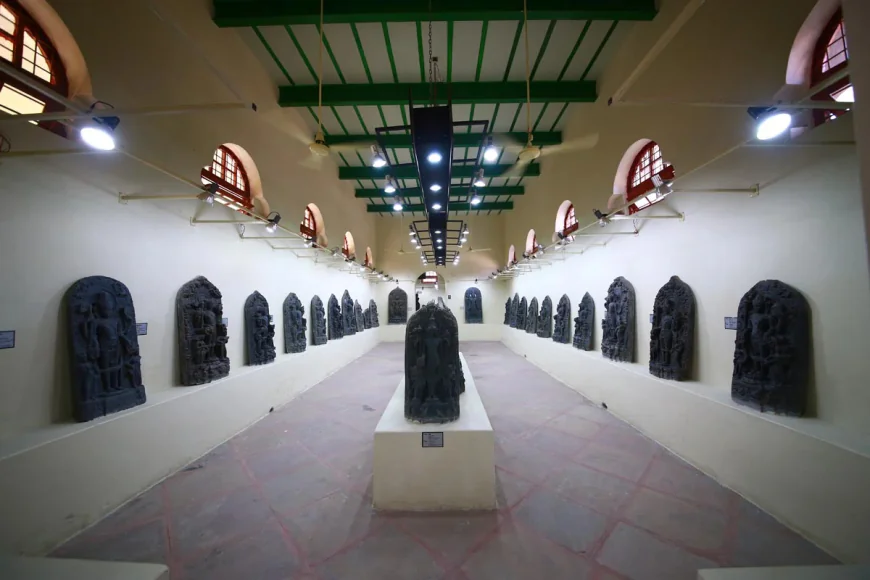
The museum has a collection of about 19,000 historical artefacts, including stone and metal sculptures, terracotta, coins and manuscripts, pottery and terracotta plaques, weapons, Arabic and Persian documents, paintings, metal objects and inscriptions. Photo: Metropolitan Architects
Construction of a museum building to preserve the collected artefacts became essential, and Sarath Kumar started the construction at the request of his friends despite knowing that it would be expensive.
The then Governor of Bengal, Lord Carmichael, laid the foundation stone on November 13, 1916, at the request of the officials of the association. After the construction, it was inaugurated by Lord Ronaldshay on November 27, 1919.
The Rajshahi Varendra Research Museum has a collection of about 19,000 historical artefacts, including stone and metal sculptures, terracotta, coins and manuscripts, pottery and terracotta plaques, weapons, Arabic and Persian documents, paintings, metal objects and inscriptions.
The museum has seven galleries to display the artefacts. The galleries exhibit artefacts from the Indus Civilisation (2500 BC), which include Persian decrees and Bengali documents, Sanskrit script in old Bengali, glazed tiles, Islamic metal lamps, handwritten Qurans, Bengali and Sanskrit manuscripts, artefacts excavated at Paharpur (8th–12th century) in Bangladesh, Mughal paintings, stone and bronze sculptures, and ancient artefacts found at Nalanda in Bihar and other places in India.
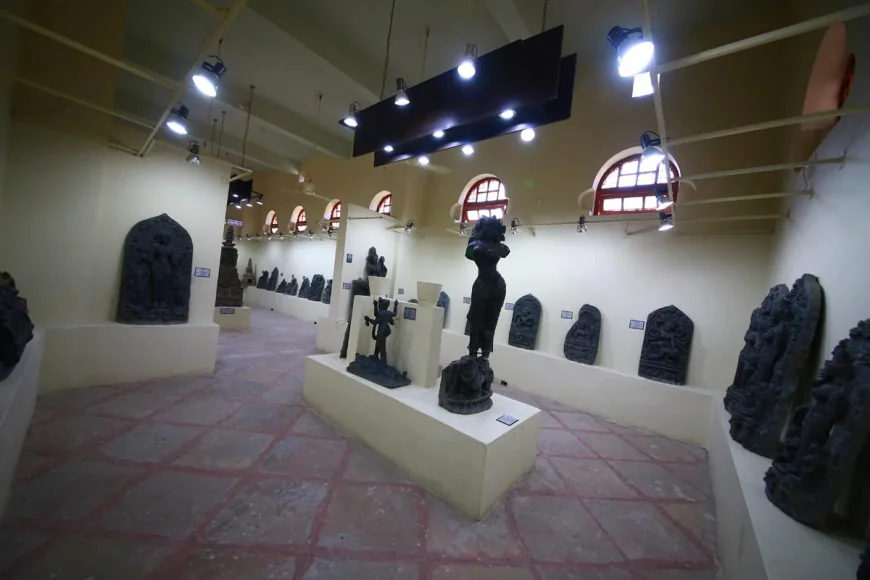
The museum is a symbol of pride for Rajshahi as well as for the Bengali nation. Photo: Metropolitan Architects
There are stone statues of Hindu and Buddhist deities and modern wooden sculptures. On display are Hindu sculptures, Surya idols, Shiva idols, Ganesha idols, Vishnu idols, Durga-Gauri-Uma-Parvati, Matrika and Chamunda idols, Buddhist idols, Bodhisattvas, Tara, Jain Tirthankaras and other Hindu deities.
Prof Saifuddin Chowdhury, former director of the historic museum, said the museum is a symbol of pride for Rajshahi as well as for the Bengali nation.
He also mentioned that the museum is not only a museum but also a research centre and that it has been playing a pioneering role in portraying the heritage of the entire Rajshahi region.
Professor Chowdhury also said the history, heritage and culture of any country can be known through its museums. Knowledge, intelligence and talent are fostered by people who work with history, heritage and culture to a greater extent.
He continued, "The ancient coins are not on display though there is a huge collection of this item. The museum authority can make replicas of the gold coins and keep those on display."
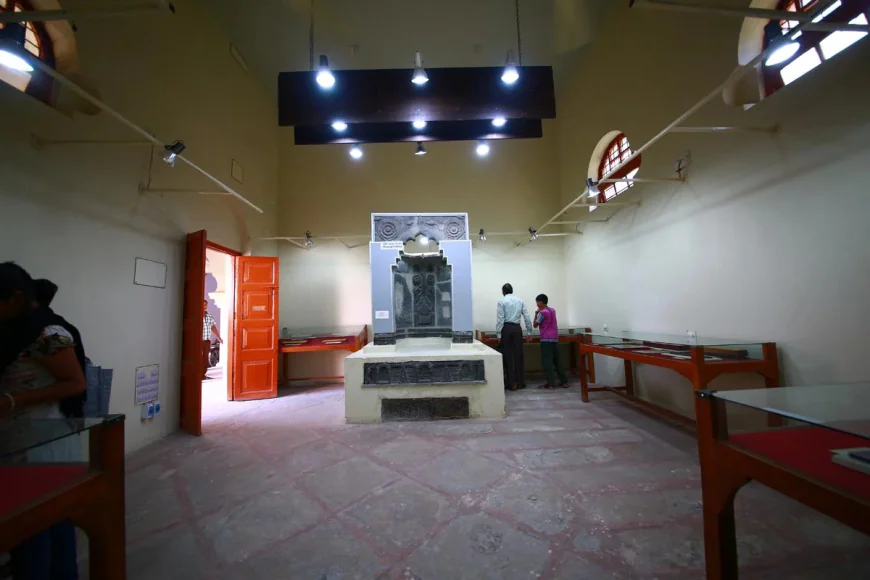
Visitors watch the artefacts displayed inside the museum. Photo: Metropolitan Architects
Due to space constraints and a shortage of skilled technicians and archaeologists, the museum faces challenges in displaying its vast collection of artefacts. However, the authorities continue their efforts to preserve the archaeological treasures with dedication.
Visitor Rawnak Afroz, a college teacher, noted, “The museum has a collection of 15,000 to 20,000 ancient archaeological pieces and documents, but the displayed items have remained mostly unchanged over the past 15 years.”
Professor Ali Reza Muhammad Abdul Majid, a former director of the museum, said, “The lion’s share of the archaeological collections has been kept in storerooms due to space limitations. Despite the shortage of manpower, we try our best to preserve these treasures.”