

Bangladesh’s aviation drive could reshape future of tourism
With carriers such as Biman Bangladesh Airlines, US-Bangla Airlines, Novoair and Air Astra unveiling plans for new international routes, the country is signalling that it is ready to compete more seriously in the regional travel market

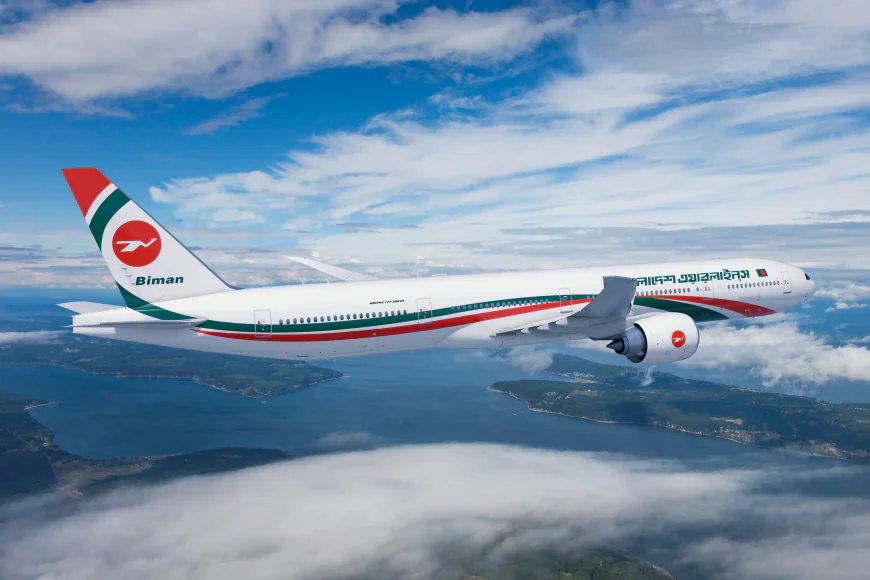
Bangladesh’s renewed aviation expansion in 2026 may prove to be a defining moment for the country’s long-underestimated tourism sector. With carriers such as Biman Bangladesh Airlines, US-Bangla Airlines, Novoair and Air Astra unveiling plans for new international routes, the country is signalling that it is ready to compete more seriously in the regional travel market.
For decades, Bangladesh has remained on the margins of global tourism despite possessing extraordinary assets: the mangrove wilderness of the Sundarbans, the sweeping shoreline of Cox’s Bazar, and the cultural landscapes of the Chattogram Hill Tracts. Connectivity — not potential — has been the principal constraint. That dynamic, however, now appears to be shifting.
Connectivity as strategy, not symbolism
The expansion of long-haul and regional services to Europe, the Middle East and Southeast Asia reflects more than airline ambition. It signals a strategic recalibration of how Bangladesh positions itself globally. Direct flights to key tourism and diaspora markets reduce friction for travellers, enhance competitiveness and improve investor confidence in the broader tourism ecosystem.
Biman Bangladesh Airlines’ continued strengthening of routes to Europe and the Gulf could diversify inbound visitor flows beyond traditional expatriate traffic. Meanwhile, private carriers targeting London, Rome, Bangkok, Kuala Lumpur and Singapore suggest a deliberate pivot towards high-potential leisure markets.
If executed effectively, this shift could elevate Bangladesh from a primarily diaspora-driven aviation market to a diversified tourism destination.
Economic multiplier effects
Tourism growth rarely stops at airports. Expanded air connectivity tends to stimulate hotel development, transport services, culinary enterprises and small-scale local businesses. Regions such as Cox’s Bazar and Bandarban could see increased foreign exchange inflows and employment opportunities — particularly for young people and women in the hospitality and service sectors.

A scenic view of the Kaptai Lake in Rangamati. Photo: Wikipedia
However, aviation expansion alone will not guarantee sustainable success. Infrastructure, service quality, digital visa facilitation, safety standards and destination branding must evolve in tandem. Without coordinated improvements, increased seat capacity could outpace destination readiness.
Sustainability and destination management
Bangladesh must also approach tourism growth with caution. Fragile ecosystems such as the Sundarbans require strict environmental management. An influx of visitors without sustainable planning could threaten the very attractions the country seeks to promote.
Airlines and policymakers should therefore integrate sustainability frameworks — fuel-efficient fleets, responsible tourism campaigns and destination protection policies — into the growth narrative.
A competitive regional moment
South Asia’s tourism landscape is becoming increasingly competitive. Neighbouring destinations have invested heavily in branding and infrastructure over the past decade. Bangladesh’s 2026 aviation push comes at a critical juncture: global travel demand is recovering strongly, and travellers are increasingly seeking emerging, culturally rich destinations.
If Bangladesh pairs aviation expansion with service excellence and strategic marketing, it could reposition itself as one of South Asia’s most compelling untapped tourism frontiers.
The coming year will test whether this surge in international routes marks a temporary expansion — or the beginning of a lasting transformation in how the world accesses and experiences Bangladesh.
What's Your Reaction?
 Like
0
Like
0
 Dislike
0
Dislike
0
 Love
0
Love
0
 Funny
0
Funny
0
 Wow
0
Wow
0
 Sad
0
Sad
0
 Angry
0
Angry
0



Comments (0)