

When to explore Tanguar Haor’s stunning beauty
The best time to explore its true beauty lies between late June and September, when the haor turns into a vast inland sea


Nestled in the northeastern wetlands of Tanguar Haor, one of the country’s most breathtaking freshwater ecosystems, the vast expanse transforms dramatically with the seasons-offering travellers a unique experience year-round.
However, experts and seasoned visitors say the best time to explore its true beauty lies between late June and September, when the haor turns into a vast inland sea.
During the monsoon, the landscape becomes a shimmering water world stretching to the horizon. Villages appear like floating islands, while clusters of hijal and koroch trees rise from the water like silent sentinels. Boats glide across the endless waters, carrying locals and tourists alike through a scene that often feels more like the ocean than an inland wetland. Under moonlit skies, the haor reveals a magical charm, with many visitors gathering on boats for music and quiet reflection amid the stillness.

A group of students going to their school on a boat on Tanguar Haor. Photo: Abdul Momin/Wikipedia
Located in Sunamganj district, the haor attracts thousands of visitors each year, especially from the start of the monsoon season. Beyond its vast waters, the region is rich in biodiversity. Aquatic plants, rare fish species, and migratory birds make it a vital ecological zone as well as a major natural attraction.
The scenery shifts completely in winter. As the water recedes, the haor reveals golden paddy fields, grazing livestock, and a thriving rural landscape. It also becomes a haven for migratory birds, drawing nature enthusiasts eager to witness flocks of colourful species settling across the wetlands. This seasonal contrast adds to the haor’s appeal, making it a destination that offers different experiences depending on the time of visit.
Tourists exploring the haor often extend their journey to nearby attractions such as the crystal-clear Jadukata River and the scenic Barikka Tila near the Indian border. These spots, known for their natural beauty, enhance the overall travel experience in the region.
Accessibility has improved in recent years. Visitors can travel from Dhaka to Sunamganj by bus in about six hours, or reach the district from Sylhet within two hours. From there, boats or houseboats are available to explore the haor. During peak season, modern houseboats equipped with accommodation and dining facilities offer multi-day travel packages, allowing visitors to fully immerse themselves in the environment.
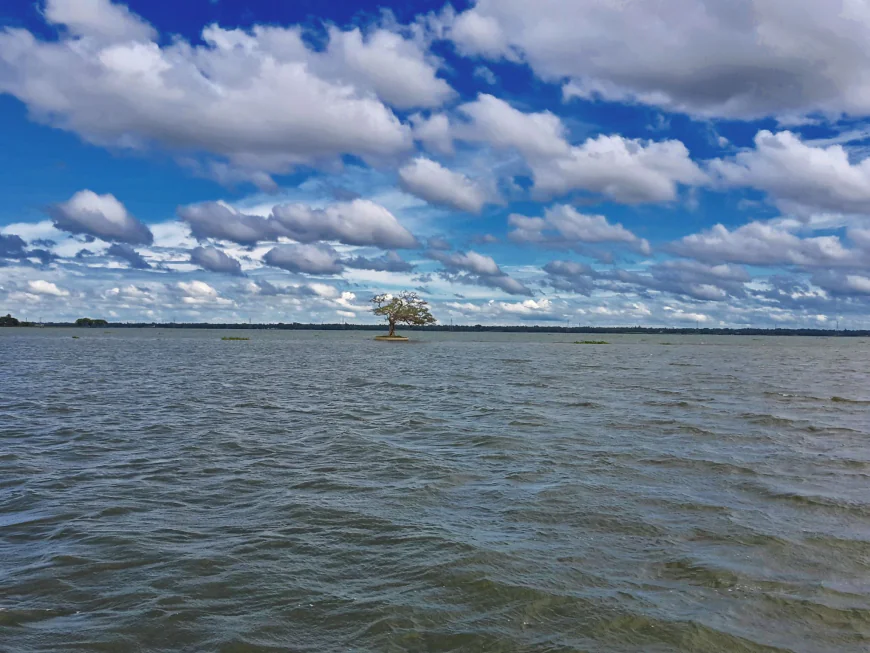
Tanguar Haor holds immense conservation significance as a natural freshwater wetland in the country. Photo: Wikipedia
While the haor continues to captivate travellers, authorities and environmentalists urge visitors to remain cautious and responsible. The fragile ecosystem requires protection from pollution, excessive noise, and harmful activities such as wildlife disturbance.
As climate change and environmental pressures continue to affect wetland ecosystems across Bangladesh, Tanguar Haor stands as both a natural wonder and a reminder of the importance of conservation. For those seeking an unforgettable blend of water, wilderness, and tranquillity, the monsoon months remain the ideal window to explore its stunning beauty.
What's Your Reaction?
 Like
0
Like
0
 Dislike
0
Dislike
0
 Love
0
Love
0
 Funny
0
Funny
0
 Wow
0
Wow
0
 Sad
0
Sad
0
 Angry
0
Angry
0



Comments (0)