

Lalmai Botanical Garden: A sanctuary for endangered and extinct plant species
Around 76 endangered plant species have been preserved here, alongside several hundred rare and unique trees; but due to a lack of publicity, the garden has yet to gain wide recognition among tourists

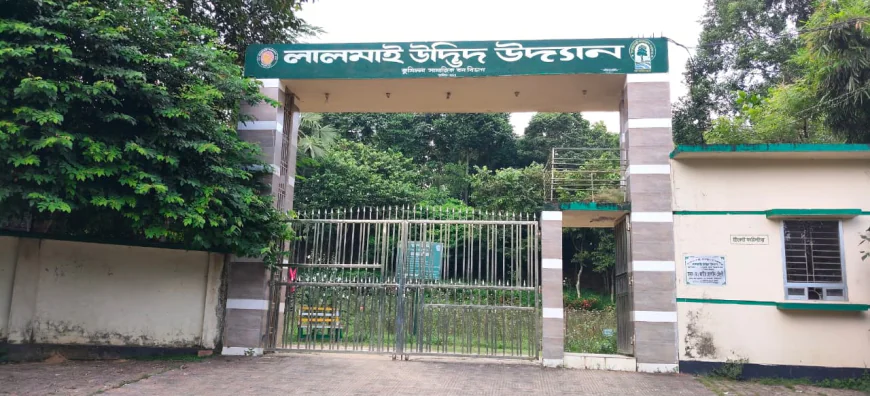
The botanical garden on Lalmai Hill in Cumilla serves as a sanctuary for endangered and extinct plant species.
Located amid the green folds of Lalmai Hill in Kotbari — one of Cumilla’s major tourist attractions — the garden is the country’s third of its kind.
Around 76 endangered plant species have been preserved here, alongside several hundred rare and unique trees. However, due to a lack of publicity, the garden has yet to gain wide recognition among tourists.
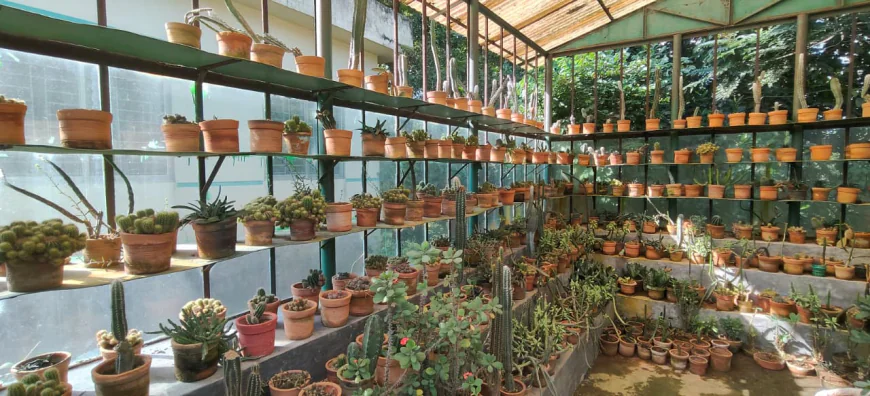
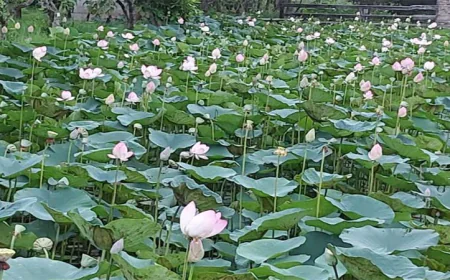
About 90 per cent of the 76 species preserved in tyhis botanical garden are rare or endangered. Photo: BSS
Established on 17 acres under the supervision of the Cumilla Social Forest Division, the project began in 2015 and was completed in early 2020. The garden was officially opened to visitors on 7 November the same year.
About 90 per cent of the 76 species preserved here are rare or endangered. After Mirpur (Dhaka) and Sitakunda (Chattogram), this is the third rare botanical garden in Bangladesh. Although founded with the aims of plant conservation, research and education, visitor numbers remain low even five years after its inauguration.
GM Mohammed Kobir, Divisional Forest Officer of the Cumilla Social Forest Division, told BSS that the garden was established to conserve rare species, create a safe habitat for wildlife, promote nature-based recreation, and facilitate education and research.
He said there are plans to establish a “Forest Museum” at the Lalmai Hill site. Once implemented, it would be the first of its kind in the country. As 90 per cent of the plants preserved here are endangered or extinct, the museum is expected to serve as an important national resource for higher education and research.
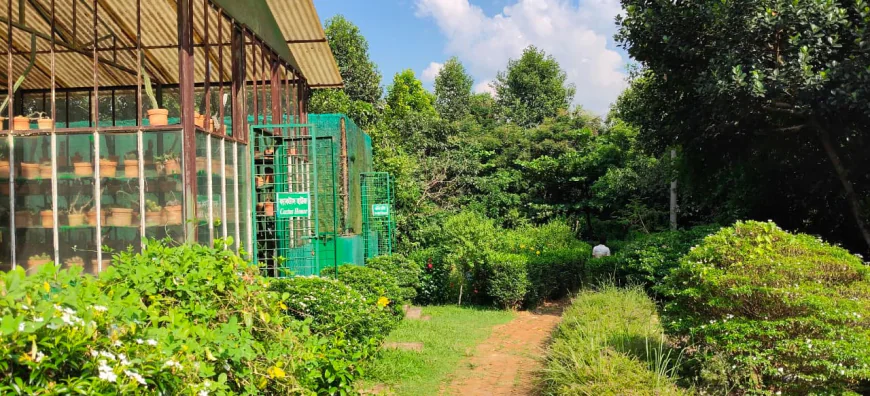
The botanical garden of Lalmai Hill. Photo: BSS
Kobir added that a master plan had been prepared and submitted to the ministry to upgrade the garden into a national-level botanical garden, but it was not approved.
“We will resubmit the master plan to the ministry,” he said.
During a recent visit, the garden was found to have brick-paved walkways winding through a diverse collection of plants — most of which are no longer commonly seen in rural areas. Each tree is marked with an identification plaque displaying its name, scientific classification, family and characteristics.
Mohammad Mazharul Islam Chowdhury, Information Officer of the Cumilla Forest Department, told BSS that, as the third rare botanical garden in Bangladesh, the site holds particular significance.
“Here we are conserving 76 species of endangered trees along with many other common trees, vines, medicinal plants and flowering species from different regions of the country. The development and expansion of the garden are focused on four objectives: nature and biodiversity conservation, research, education and tourism,” he said.
Notable species in the garden include radhachura, nageshwar, agar, nagalingam, kanchan, ashwattha, chandan (sandalwood), raktachandan (red sandalwood), chalmugra, lohakath, chapalish, dhup, arjun, mahua, telshur, bohera, haritaki, hijal, kanak, tamal, ashok, pitraj, kumbhi, sonalu, parul, jarul, champa, togor, lotkon, karamcha, wild guava, civet tree, bashpata, banyan and krishnachura, among hundreds of other species.
The garden also features a cactus house, orchid house, a medicinal plant corner, a dedicated section for rare plants, water bodies and grasslands, all of which play important roles in preserving the environment and ecosystem.
Facilities for visitors include benches, umbrella-shaped rest shelters, separate washrooms and other essential infrastructure.
Set amid the undulating terrain of Lalmai Hill, the garden offers visitors sweeping views of lush greenery. The chirping of birds, fluttering butterflies and fragrant flowers provide a rich experience for nature lovers. A walk through the garden, whether under the midday sun or in the gentle afternoon breeze, offers a refreshing retreat.
Abdus Salam, a student of Cumilla Victoria Government College and a resident of Sadar Dakshin upazila, told BSS: “Many of the trees here can no longer be found in villages. This garden will play a vital role in teaching the new generation about the country’s natural heritage and plant diversity. However, more publicity is needed to highlight its importance.”
Lamisah Tabassum Mim, a student of Cumilla University, said: “This is a wonderful place to learn about medicinal and rare plants. It can be an ideal site for study tours and for children to learn about nature and botany.”
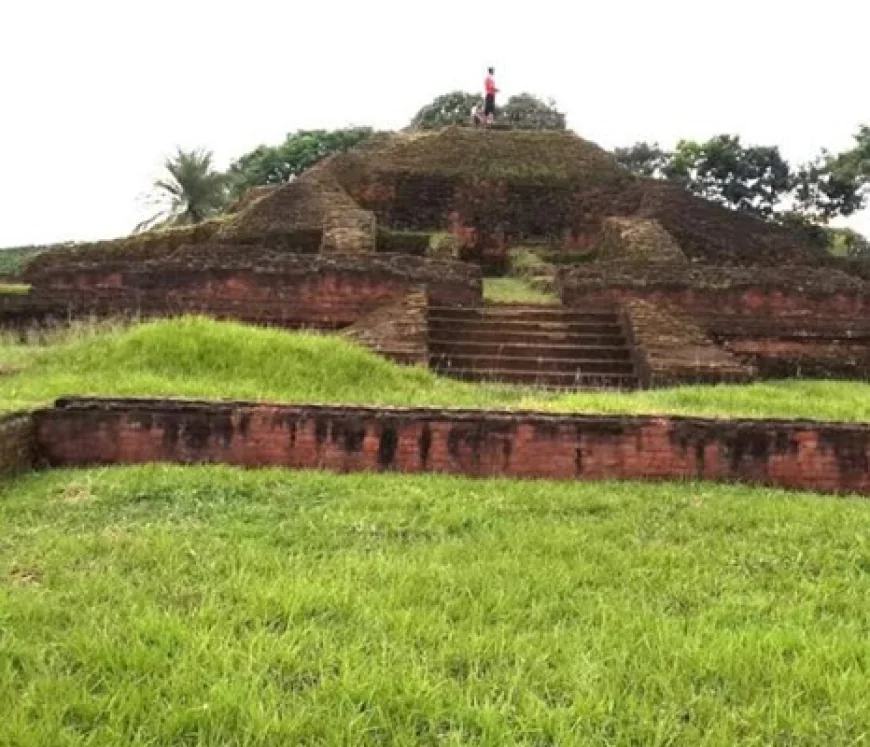
A view of Lalmai Hill. Photo: ABM Bahauddin
Mir Mofizul Islam, president of Love for Tourism Bangladesh, told BSS that the garden could play a vital role in conserving endangered plant species that are disappearing across the country.
“It offers great potential for educational institutions, universities and researchers. This initiative will enrich Cumilla in both tourism and research,” he added.
According to the garden authorities, the entrance fee is Tk 20 for general visitors, Tk 5 for students and minors, and Tk 400 for foreign visitors. The garden is open daily from 9am to 5pm.
What's Your Reaction?
 Like
0
Like
0
 Dislike
0
Dislike
0
 Love
0
Love
0
 Funny
0
Funny
0
 Wow
0
Wow
0
 Sad
0
Sad
0
 Angry
0
Angry
0
Comments (0)