Business-politics nexus affects freedom of media in Bangladesh: TIB
Iftekharuzzaman said the more democracy, accountability, freedom of expression and citizens’ rights are restricted, the greater the pressure on the media
 ATT Correspondent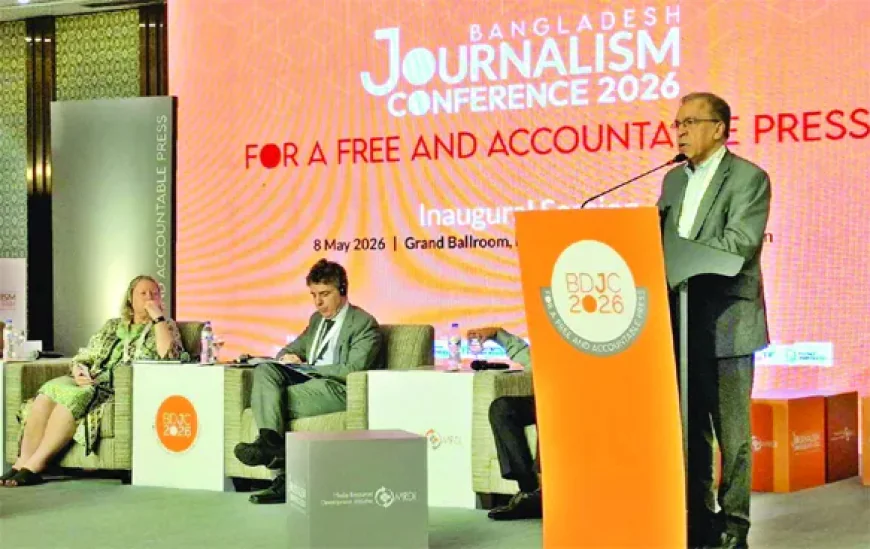
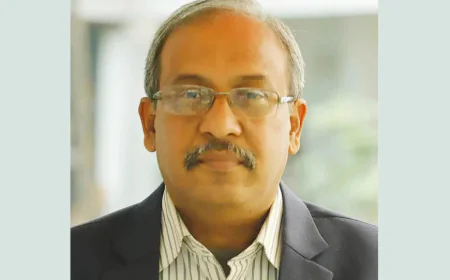
The growing nexus between business and politics in Bangladesh is affecting media freedom and weakening good governance, said Dr Iftekharuzzaman, executive director of Transparency International Bangladesh (TIB).
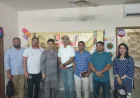
He made the remarks while delivering the opening speech at a morning session on the final day of the “Bangladesh Journalism Conference 2026” at a hotel in the capital on Saturday, says a press release.

The session, titled “Politico-Governance Ecosystem and Free Media”, was moderated by Shakhawat Liton, executive editor of The Business Standard. The two-day international conference was organised by the Media Resources Development Initiative.
Iftekharuzzaman said media freedom cannot be seen separately from the country’s wider political and governance system.
“The more democracy, accountability, freedom of expression and citizens’ rights are restricted, the greater the pressure on the media,” he said.
He said there was nothing wrong with businesspeople joining politics. However, problems arise when business is used to gain political influence and politics becomes a business investment.
“When politics becomes business and business merges with political power, accountable governance weakens,” he said.
According to the TIB executive director, the country’s political and governance systems are increasingly influenced by capital, money, religion, patriarchy and majoritarianism. As a result, the media, like other state institutions, is finding it difficult to function independently.
He said political and economic interests are gradually influencing media ownership, policymaking and news coverage.
Iftekharuzzaman also criticised Bangladesh’s long-standing “zero-sum game” political culture, saying it has encouraged the monopolisation of political power, suppression of dissenting voices and restrictions on the flow of information.
He said criticism and publication of information are often viewed as threats because of efforts to centralise political power and silence opposing views.
“This creates different forms of pressure on the media,” he added.
Referring to the growing politicisation of state and professional institutions over the past two decades, he said changes in government have often brought changes in the leadership and direction of institutions.
The TIB executive director said media freedom is not only a journalists’ issue but is closely linked to human rights, freedom of expression and democratic accountability.
He also criticised the use of strict laws such as the Digital Security Act against journalists, saying hundreds of journalists have faced cases under the law and many were allegedly harassed for carrying out their professional duties.
“If the culture of revenge and partisan control continues in politics, establishing genuine media freedom will remain difficult,” he said.