

British Airways to pay pilots $100,000 a year to taxi at Chicago O'Hare
The taxi crew role requires pilots to already hold a valid Air Transport Pilot (ATP) certificate or equivalent

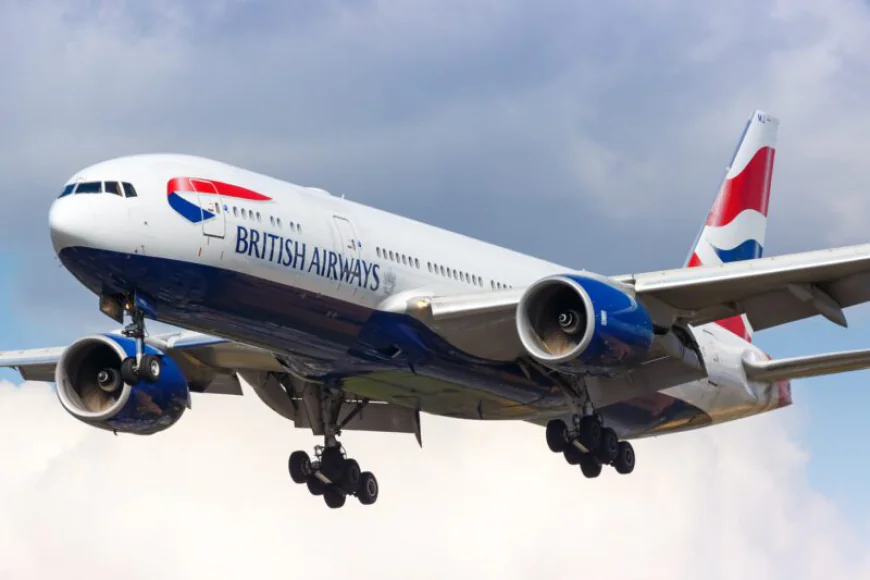
British Airways is recruiting pilots for a specialised ground operations role at Chicago O'Hare International Airport (ORD), offering salaries of up to $100,000 per year. The airline is hiring “taxi crew” pilots to move aircraft on the ground, rather than operate flights in the air, reports aviation-based portal Simple Flying.
Chicago O’Hare is one of the busiest airports globally, handling over 70 million passengers annually and thousands of daily aircraft movements. Congestion on taxiways and apron areas frequently contributes to delays, especially during peak periods and adverse weather. By introducing dedicated taxi pilots, British Airways is attempting to streamline aircraft movements between gates and runways.
The taxi crew role requires pilots to already hold a valid Air Transport Pilot (ATP) certificate or equivalent, along with appropriate type ratings or experience. Responsibilities include conducting pre-taxi checks, communicating with ground control, and safely maneuvering aircraft between stands and runway holding points. These pilots will operate widebody aircraft such as the Boeing 777 and 787, which British Airways regularly deploys on transatlantic routes. However, they will not be involved in takeoff or landing phases, which remain the responsibility of flight crews.
The advertised salary of up to $100,000 places the role above many regional airlines first officer positions in the United States. British Airways is also expected to provide standard employment benefits, including healthcare and retirement contributions, though exact packages may vary. The role is shift-based, covering early mornings, late nights, and weekends to align with flight schedules. This structure ensures continuous ground movement support during peak operational windows.
The aviation industry continues to face a pilot shortage, particularly in North America, although shifting market dynamics, such as the collapse of Spirit Airlines, may influence supply. Roles like taxi crew could help retain experienced pilots seeking more stable, ground-based work while still contributing operationally.
What's Your Reaction?
 Like
0
Like
0
 Dislike
0
Dislike
0
 Love
0
Love
0
 Funny
0
Funny
0
 Wow
0
Wow
0
 Sad
0
Sad
0
 Angry
0
Angry
0




Comments (0)