

Some Heritage Sites and Monuments of Bangladesh
The culture and tradition of Bangladesh, filled with ancient marvels, captivate all whether one is a casual traveller or a devoted patron of history and heritage
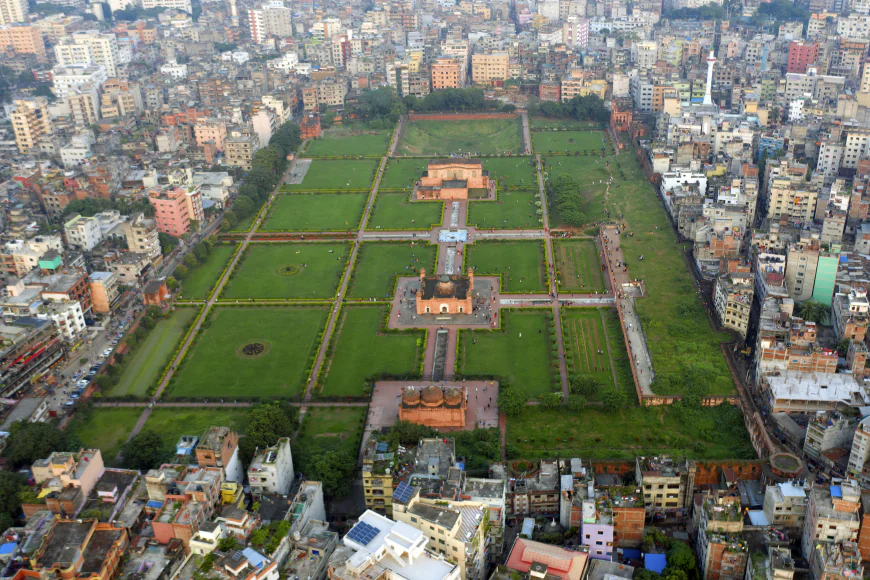
Heritage sites, where natural beauty meets cultural richness and a long, vibrant history, often transform into legends. While not literally travelling back in time, visiting these historic landmarks offers a remarkable way to experience the distant past.
Bangladesh is a proud country, filled with ancient marvels. Irrespective of whether one is a casual traveller or a devoted patron of history and heritage, this haven of culture and tradition captivates all.
Let us explore some of Bangladesh’s heritage sites and monuments, which will enrich the journey of any travel enthusiast.
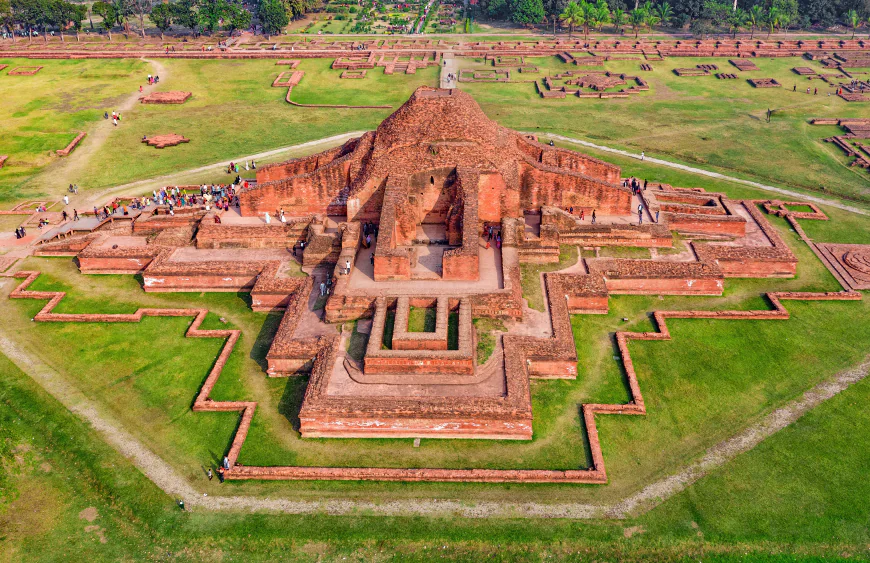
Somapura Mahavihara, also known as Paharpur Buddhist Vihara, is a major Buddhist monastery in Paharpur, Badalgachhi, Naogaon, Bangladesh. Photo: Wikipedia
Somapura Mahavihara
This Buddhist monastery at Paharpur is one of Bangladesh’s most important archaeological sites. It was established in the eighth century under the rule of the Pala Empire. Since 1985, it has been recognised as a UNESCO World Heritage Site.
The monastery complex, covering nearly 11 hectares, bears witness to the exquisite architecture of the ancient Pala dynasty. Visitors can explore the temple ruins, including the main temple, the royal residential quarters, and the grand entrance. It stands as a distinguished example of Bengal’s ancient Buddhist civilisation and cultural heritage.
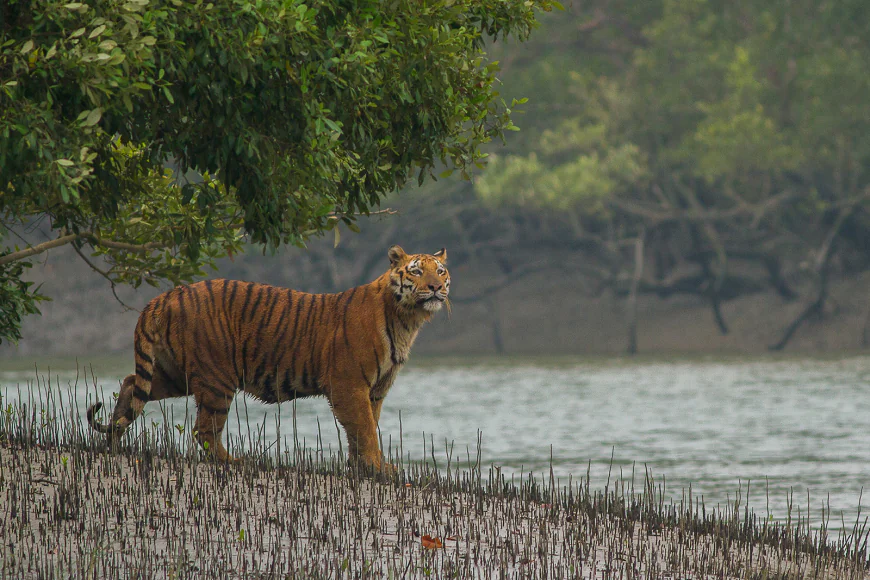
A Royal Bengal Tiger at the world’s largest mangrove forest of the Sundarbans. Photo: Wikipedia
The Sundarbans
Located in Bangladesh’s south-west, the world’s largest mangrove forest has been a UNESCO World Heritage Site since 1987. Spanning approximately 10,000 square kilometres, it is widely known for its rich biodiversity.
The Sundarbans are home to the Royal Bengal tiger as well as various species of birds, reptiles, and mammals. Visitors exploring the forest by boat or launch can marvel at its unique ecosystem. The winding green waterways of the forest proclaim the Sundarbans’ natural beauty in full splendour.
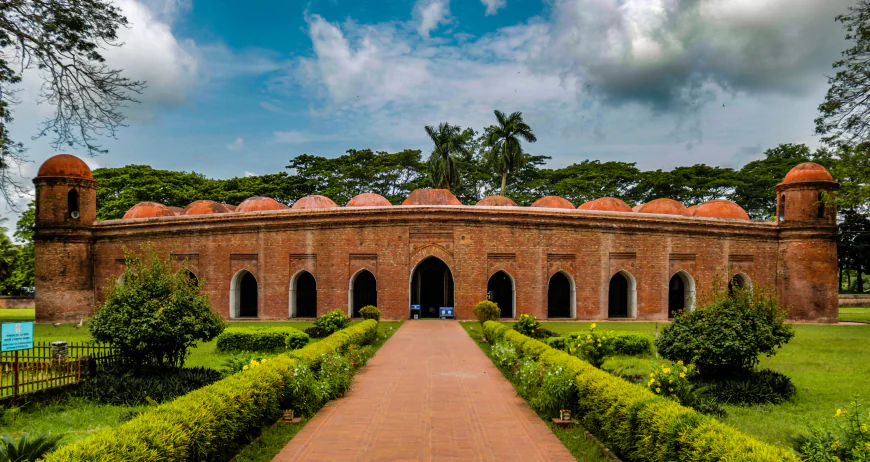
Sixty Dome Mosque, built by Khan Jahan Ali, is the largest mosque in Bangladesh from the Bengal Sultanate period (1352–1576). Photo: Wikipedia
Sixty Dome Mosque
This mosque was founded in 1459 by the renowned Muslim saint and ruler Khan Jahan Ali. Recognised as a UNESCO World Heritage Site in 1985, it is a shining example of the rich architecture of Bagerhat, the city of mosques.
The mosque’s remarkable structure includes 60 domes, 60 stone pillars, and intricate terracotta decorations. Visitors can tour the beautifully designed prayer hall, stroll through the green gardens, and immerse themselves in the site’s historic spirituality.
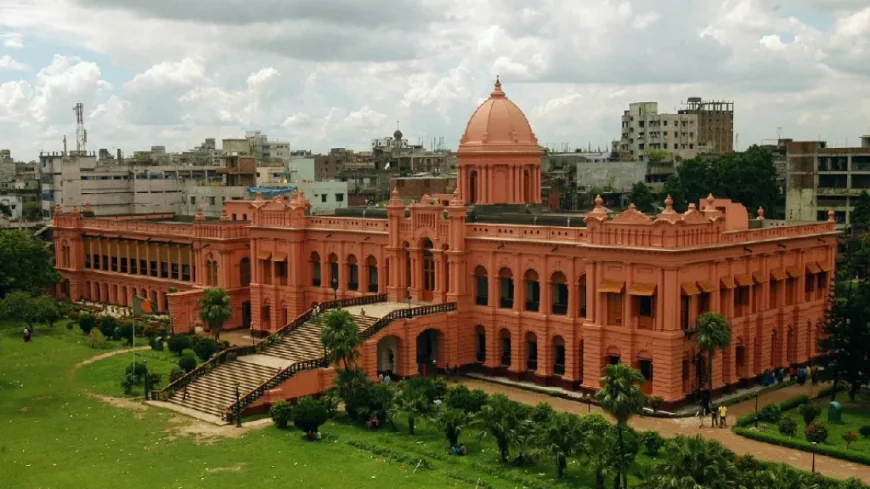
The frontal view of the Ahsan Manzil built in 1872 as the official residence of Dhaka’s Nawabs during the British colonial period. Photo: Wikipedia
Ahsan Manzil
Situated in Dhaka’s Kumartuli area, Ahsan Manzil is one of Old Dhaka’s most popular heritage sites. Known as the Pink Palace, it was built in 1872 and served as the official residence of Dhaka’s Nawabs during the British colonial period. Ahsan Manzil witnessed the anti-British movements and significant events such as the 1905 Partition of Bengal.
Since 1992, this grand repository of the Nawabs’ lifestyle has been open to visitors as a museum. Its distinctive pink façade and grand halls captivate visitors, while the view of the Buriganga River from the balcony makes Ahsan Manzil especially beloved among travellers.
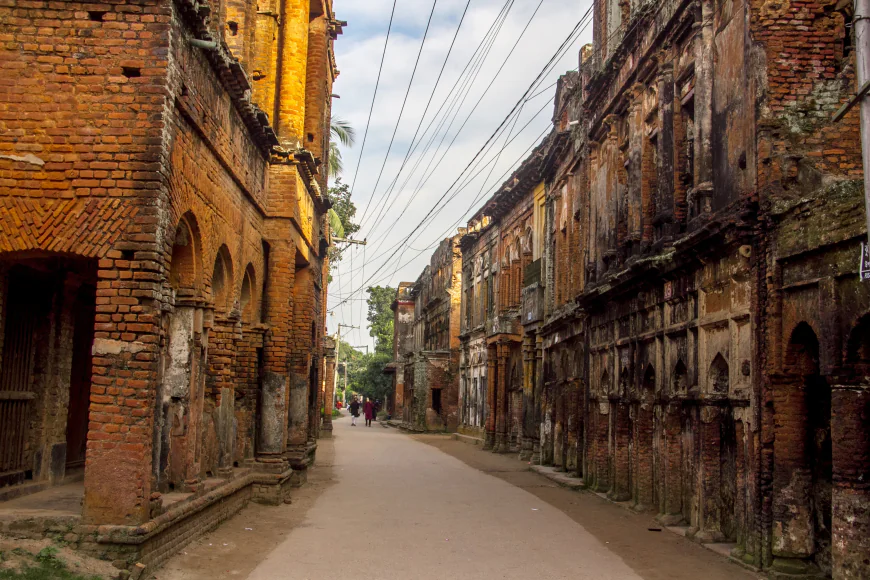
An alley of Panam Nagar with centuries old buildings on both sides. Photo: Wikipedia
Panam Nagar
This historic city of Sonargaon can transport any 21st-century visitor in an instant to the 13th century. It was a trade centre during the Bengal Sultanate and Mughal periods. The city, built with remarkable architecture, has witnessed the rise and fall of many communities.
Exploring the remains of this ancient city, visitors are drawn to well-preserved palaces and merchant houses. For outsiders, Panam Nagar offers a unique opportunity to experience Bangladesh’s architectural and cultural heritage.
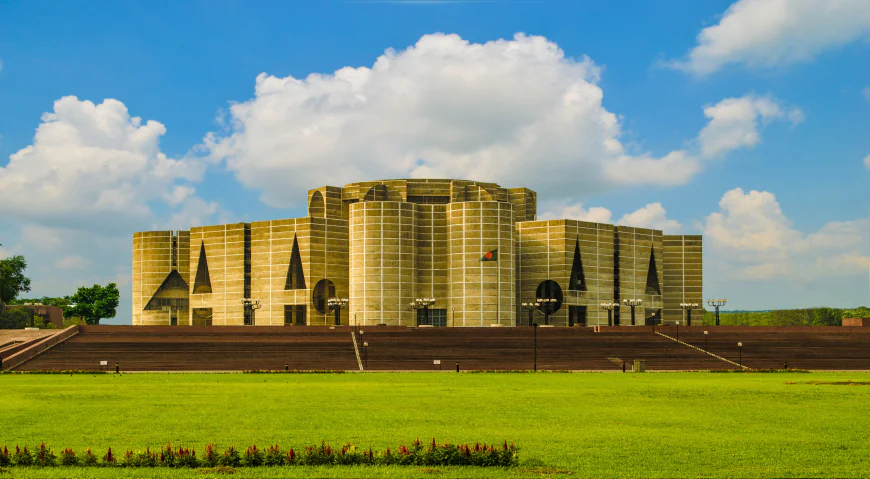
The frontal view of the National Parliament in Sher-e-Bangla Nagar area in Dhaka. Photo: Wikipedia
National Parliament House
Located in Sher-e-Bangla Nagar, Dhaka, the National Parliament House is the heart of all legislative activity in Bangladesh. This world-class modern structure has become a symbol of Bangladesh on the global stage. Designed in 1982 by the renowned American architect Louis Kahn, it is deeply significant in Bangladesh’s history, representing the country’s independence and democratic ideals.
Visitors can observe a remarkable blend of tradition and modernity. The complex includes the parliament chamber, a courtyard with a lake, gardens, and a museum dedicated to the history of Bangladesh’s independence struggle.
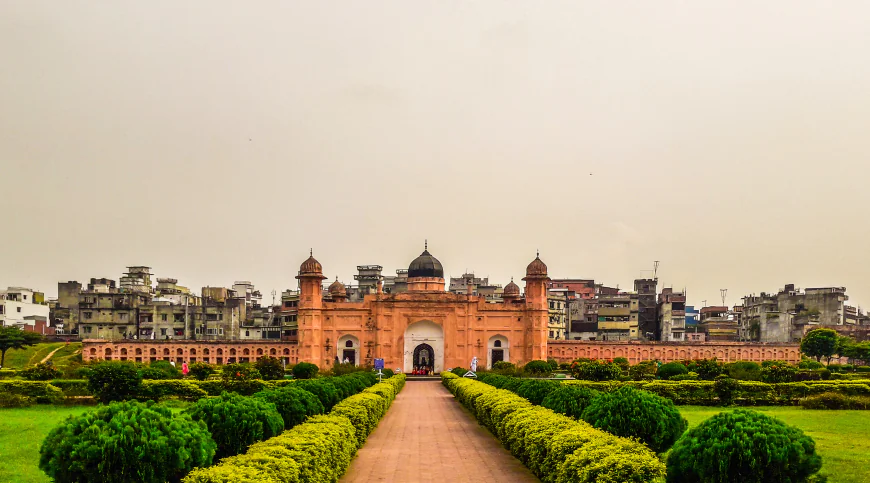
The frontal view of Lalbagh Fort. Photo: Wikipedia
Lalbagh Fort
Situated in Old Dhaka, Lalbagh Fort was initially called Aurangabad Fort. It was established in 1678 by Prince Muhammad Azam, son of Mughal Emperor Aurangzeb. The fort was constructed during his brief 15-month rule in Bengal. On his father’s orders, Prince Azam left the project, and Shaista Khan took over its completion.
The fort is an exceptional fusion of Mughal and Bengali architectural styles. It witnessed historic events such as the 1857 Sepoy Rebellion and early 20th-century anti-British movements. Today, many local and international visitors come to Lalbagh Fort. Key attractions include the Diwan-i-Aam, Nawab Shaista Khan’s mosque, and his daughter Pari Bibi’s tomb.
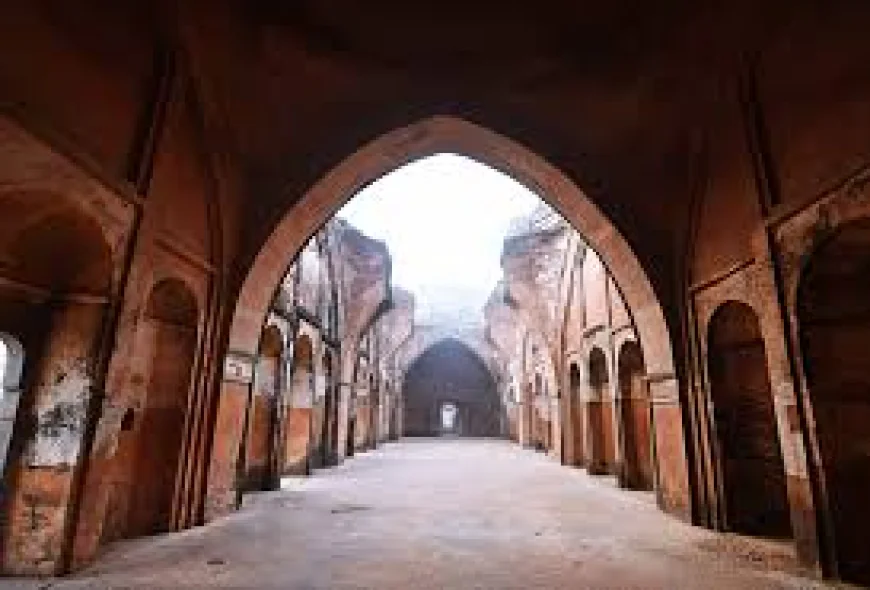
Ruins of chhota Katra at Swarighat in Dhaka in 1875. Photo: Wikipedia
Bara Katra and Chhota Katra
This complex in Old Dhaka comprises two historical caravanserais. Bara Katra was built in 1644 by Mughal prince Shah Shuja as lodging for travelling merchants, while Chhota Katra, constructed in 1663 by Shaista Khan, functioned as a smaller version of Bara Katra.
Although the main structures have suffered neglect and decay over the years, restoration efforts have taken place at various times. Today, little remains of the original caravanserais, but the surrounding vibrant markets and narrow alleys hint at Dhaka’s historic commercial heart.
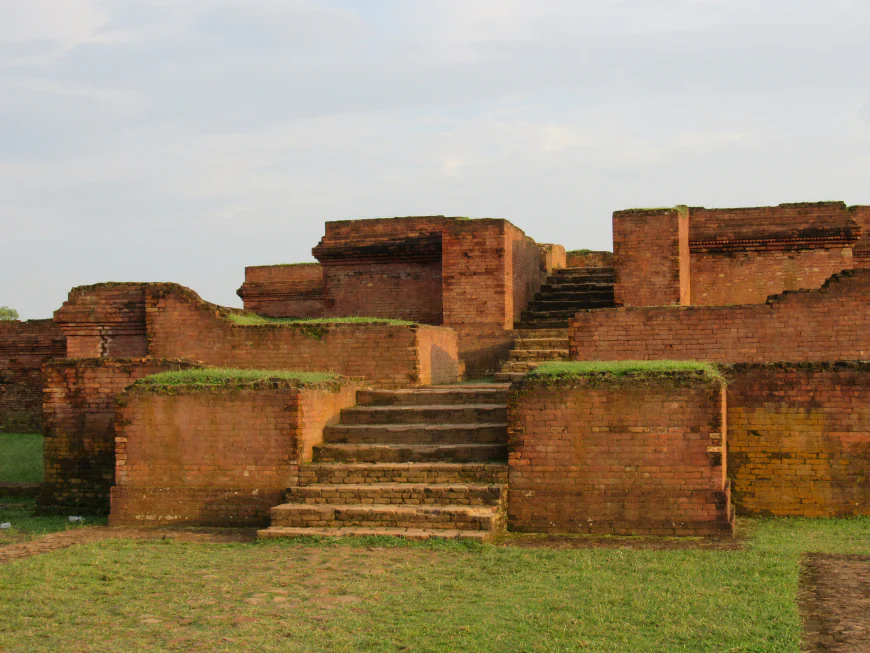
Mainamati, located near Comilla in Bangladesh, is a major 7th–12th century AD archaeological site featuring over 50 ancient Buddhist settlements. Photo: Wikipedia
Mainamati Archaeological Site
This eighth-century site is located in the low, gently rolling hills of Mainamati in Comilla District. It spans a large area of Buddhist ruins, including monasteries, stupas, and temples, developed under the Samatata and Deva dynasties.
Today, it is a major archaeological destination for visitors. Notable attractions include Shalban Vihara, Kutila Mura, and Anand Vihara, while the nearby Mainamati Museum houses an exceptional collection of artefacts from the region.
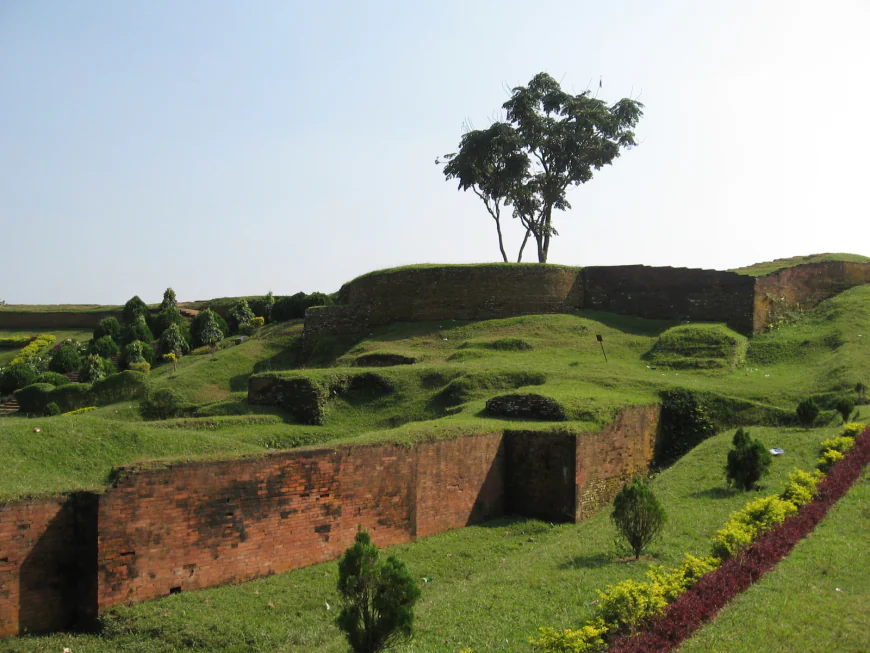
Mahasthangarh is the oldest archaeological site in Bangladesh. It dates back to 300 BCE and was the ancient capital of the Pundra Kingdom. Photo: Wikipedia
Mahasthangarh
This ancient urban archaeological site is situated in Mahasthan village, Shibganj upazila in Bogura. Established in the third century BCE, it was the capital of the Pundra kingdom and holds immense historical significance. Over centuries, Mahasthangarh has silently witnessed the rise and fall of dynasties such as the Maurya, Gupta, and Pala empires.
The site features ancient fortifications, temples, and residential areas. Excavated artefacts are displayed at the Mahasthangarh Museum, offering visitors a remarkable insight into the region’s rich history and inspiring further exploration.
Tajhat Zamindar Palace near Rangpur city in Bangladesh. Photo: Wikipedia
Tajhat Zamindar Palace
Located on the outskirts of Rangpur, Tajhat Zamindar Palace, also known as Tajhat Palace, was built during the British colonial period in the 20th century by the prominent local zamindar Maharaja Kumar Gopal Lal Roy. Its architecture combines European and Mughal styles.
Now a museum, the palace preserves various artworks, antique furniture, and handicrafts. Visitors are captivated by the intricate woodwork, decorated ceilings, and carefully maintained interiors, while the surrounding gardens offer a serene and picturesque environment.
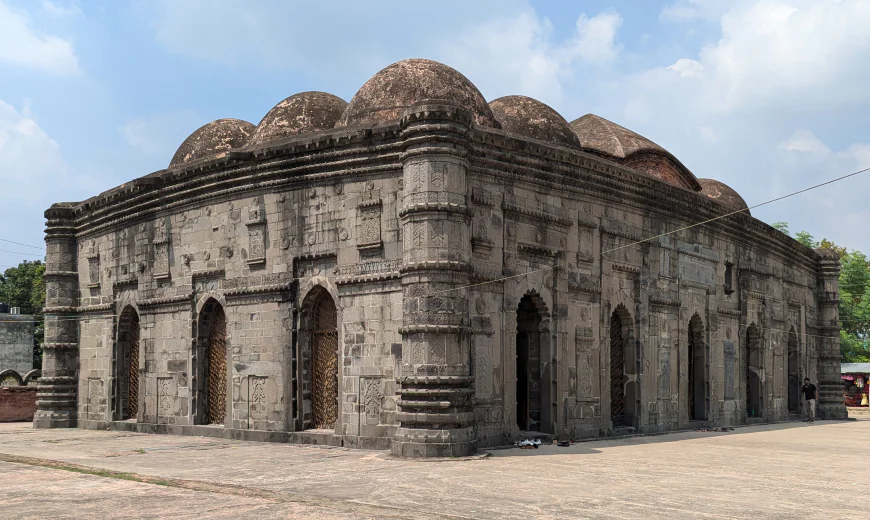
The Choto Shona Mosque, a 15th-16th-century mosque, is located in Chapai Nawabganj district of Bangladesh. Photo: Wikipedia
Chhoto Sona Mosque
This remarkable mosque was constructed under Sultan Alauddin Husain Shah’s rule between 1493 and 1519 in Chapainawabganj District. It is an architectural gem, blending Bengali and Turkish styles, noted for its terracotta decorations, delicate mihrab, and unique brickwork.
Despite centuries passing, the mosque retains its grandeur and historical appeal. It continues to serve as an active place of worship, with the craftsmanship and serene atmosphere evoking a deep sense of spirituality.
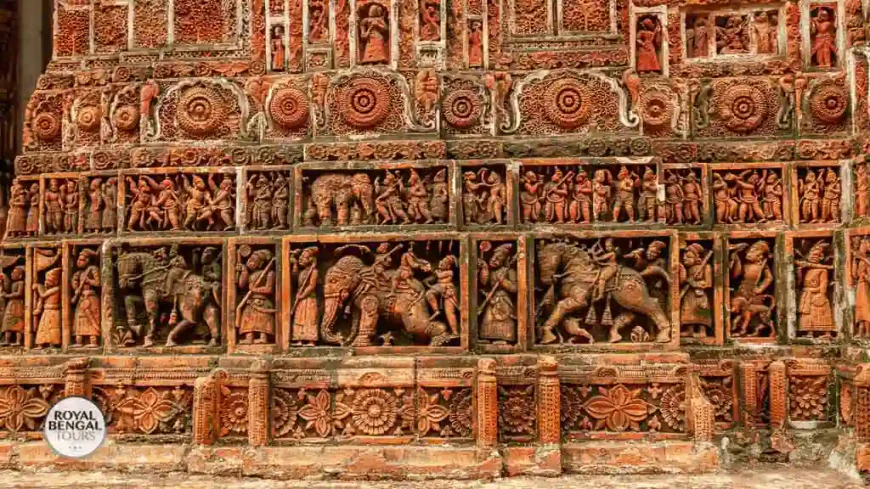
Terracotta panels depicting mythical creatures on the walls of Kantaji Temple. Photo: Wikipedia
Kantaji Temple
Located in Dinajpur District, this terracotta Hindu temple is also known as Kantanagar Temple. Its foundation was laid in the late 18th century by the local ruler Maharaja Pran Nath, and the construction completed in 1722 under his son Maharaja Ram Nath.
The temple is renowned for its intricate terracotta ornamentation, depicting stories from the Ramayana and Mahabharata. Surrounded by peaceful gardens and a large pond, it offers visitors a setting for spiritual reflection.
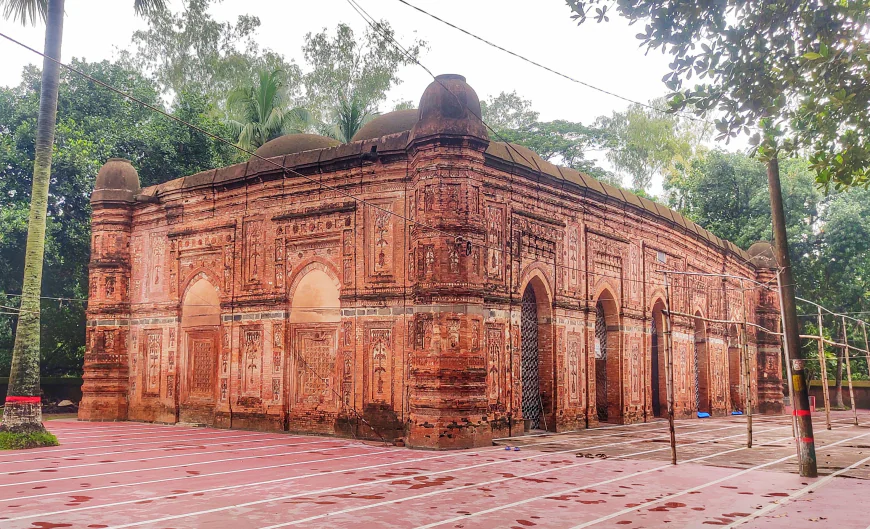
The Bagha Mosque is located at Bagha, 40 kilometres southeast of Rajshahi city of Bangladesh. Photo: Wikipedia
Bagha Mosque
Although the town of Bagha in Rajshahi is small, this mosque holds a significant place in history. Built in 1523 under Sultan Nusrat Shah of the Hussain Shahi dynasty, it is celebrated for its intricate floral and geometric terracotta designs.
Over 500 years old, the mosque has endured countless challenges yet remains intact. Local worshippers and visitors alike admire its courtyard, prayer hall, and beautifully arched entrances.
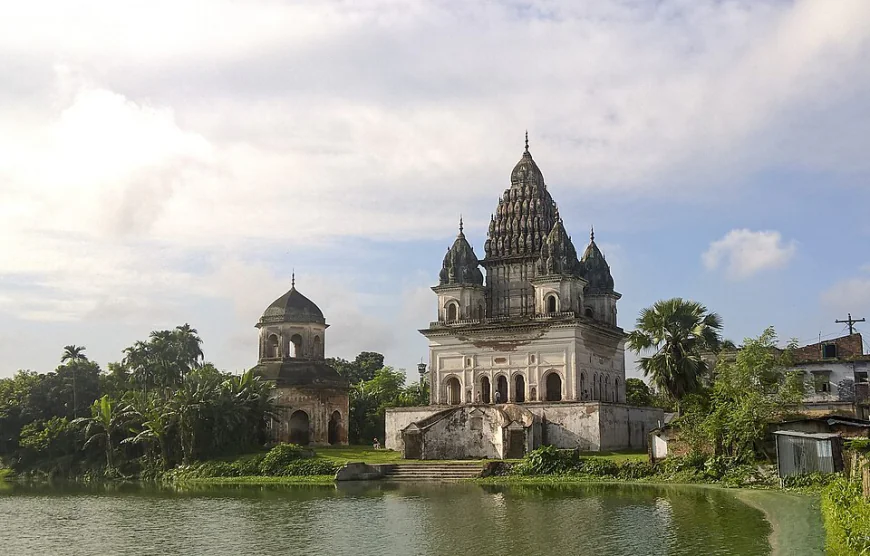
The photo shows the Shiva Temple at Puthia Temple Complex, a cluster of notable old Hindu temples at Puthia upazila in Rajshahi. The Roth temple is on the left. Photo: Wikipedia
Puthia Temple Complex
Situated in Puthia Upazila, Rajshahi, this vast temple complex showcases the architectural styles of older Hindu temples. Constructed in the early 16th century by the Puthia royal family, it combines diverse styles, including the Jor-Bangla architecture, with intricate terracotta carvings.
Despite natural calamities over centuries, many temples have survived and been preserved for public viewing. The complex continues to stand as a landmark of the region’s religious and cultural diversity.
Not only are these historic sites monuments of the past, they also embody Bangladesh’s unique cultural identity. Visiting them resonates with patriotism while allowing the touch of heritage to instil cultural values in every citizen’s heart. Any day can be the right day to set off for these historic destinations.
Read More: Why Bangladesh Struggles to Attract Tourists
Tourism Struggles Ahead of Ramadan in Bangladesh
Bangladesh–India–Tripura bus service resumes after 18-month suspension
How Political Unrest Crushed Bangladesh's Tourism & Aviation Industry
Why Bangladesh Struggles to Attract Tourists
A Year of Rapid Change in Bangladesh’s Aviation Industry
Some Heritage Sites and Monuments of Bangladesh
Nine Attractive and Scenic Places of Bangladesh
Narayanganj's Murapara Zamindar Bari: A Unique Example of Architectural Style
Bangladesh’s Aviation Drive Could Reshape Future of Tourism
Bangladesh-India Relations Show Signs of Recovery
New Bangladesh Govt Brings Light of Hope to Indian Tourism Sector
Bangladesh Resumes Visa Services in India
Bangladesh in the Eyes of an Indian Traveller
International Arbitration Board orders CAAB to Pay Tk1,650cr to ADC
Prime Minister Holds Meeting on Dhaka Airport’s Third Terminal
Old Dhaka’s Iftar: A Timeless Cuisine of Flavours and Heritage
New Airport Cargo Facility Lies Idle Amid Export Slowdown
Russia Unbound: Tours, Visas, and Travel Tips for Bangladeshi Nationals
Travel Alert Issued Following Killing of Cartel Leader in Mexico
What's Your Reaction?
 Like
0
Like
0
 Dislike
0
Dislike
0
 Love
0
Love
0
 Funny
0
Funny
0
 Wow
0
Wow
0
 Sad
0
Sad
0
 Angry
0
Angry
0

I am a journalist


Comments (0)