Rangamati: Where hills whisper and lake chants for visitors
A complete guide for travellers to spend their vacation in Rangamati
 ATT Desk Report
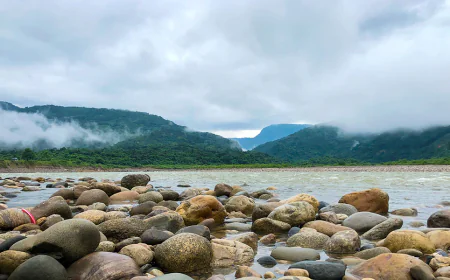
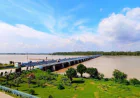
Rangamati, a stunning hill district in Bangladesh's south-eastern region, boasts tranquil landscapes, blue lake waters, green hills and diverse tribal culture. Tourists rise in great numbers during vacations, with the highest pressure concentrated in the popular Sajek Valley.
Rangamati, which borders with Indian states of Tripura and Mizoram in the north, has its peer hill districts of Bandarban and Khagrachhari. Rangamati is the largest district in the country by area. It is the only rickshaw-free city in the country, a lake-surrounded tourist town. Rangamati has 14 ethnic communities, including Chakma, Marma, Tanchangya, Tripura, Murang, Bom, Khumi, Kheyang, Chak, Pankhoa, Lusai, Sujesawtal, Rakhine and finally Bangalees.

Rangamati is composed of 10 sub-districts of Baghaichhari, Barkal, Belaichhari, Juraichhari, Kaptai, Kawkhali, Langadu, Naniarchar, Rajasthali and Rangamati Sadar.
Kaptai Lake
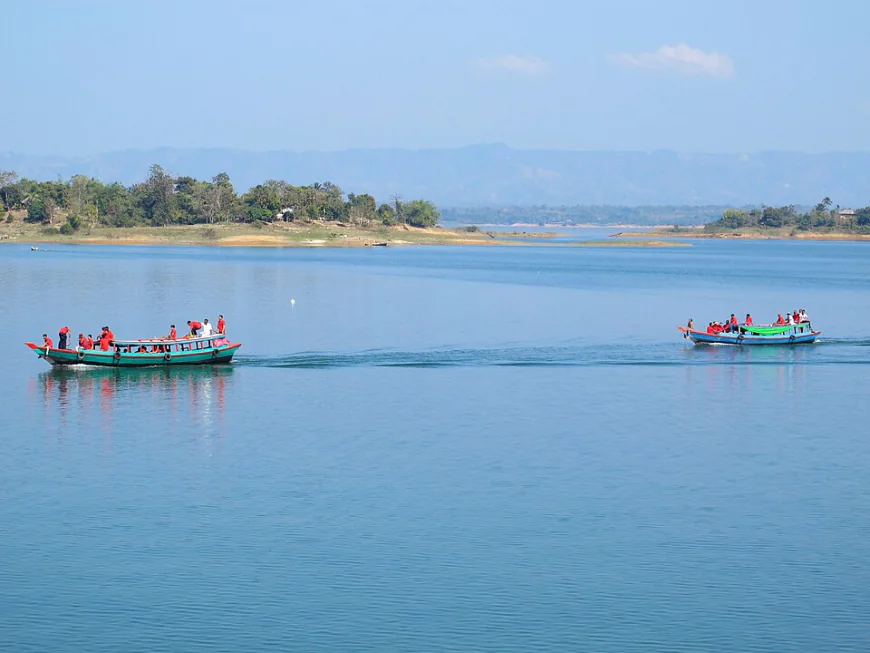
Kaptai Lake is a vast, shimmering expanse of blue that stretches across hundreds of square kilometers. Photo: Wikipedia
A traveller’s journey to Rangamati begins and ends with water. Created in the 1960s by damming the Karnaphuli River, Kaptai Lake is a vast, shimmering expanse of blue that stretches across hundreds of square kilometers. But this is no ordinary lake. As the water rose, it drowned the lower valleys, leaving the tips of the highest hills poking through the surface. The result is a breathtaking panorama of countless islands; some tiny, some large enough to host villages scattered like jewels across a liquid mirror. The best way to experience the lake is by hiring a speedboat or a traditional wooden boat (known locally as a sampan).
The Hanging Bridge
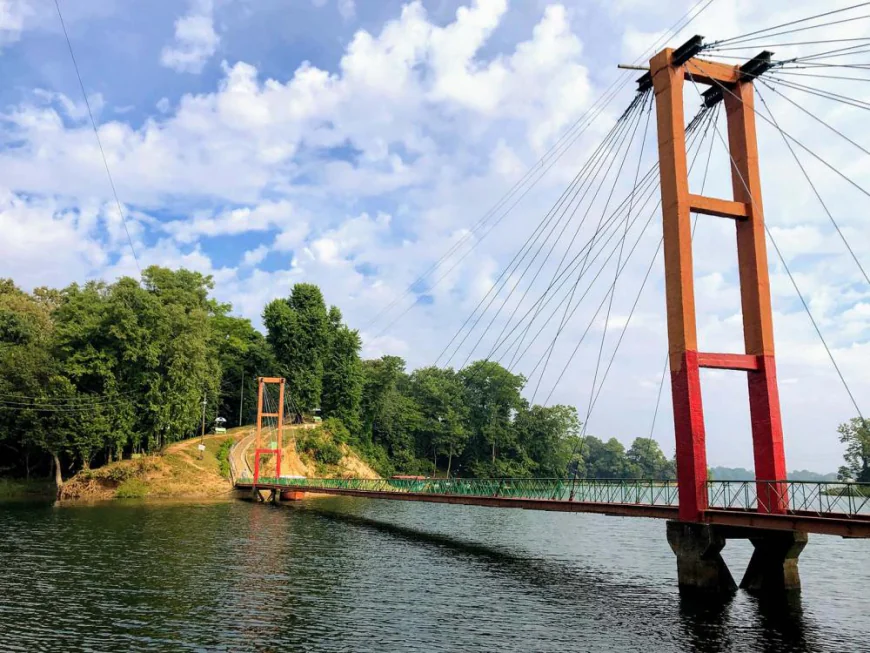
The long, swaying pedestrian bridge connects the main road to a remote tribal village on the other side of a lake inlet. Photo: Wikipedia
The long, swaying pedestrian bridge connects the main road to a remote tribal village on the other side of a lake inlet. Walking across it, with the wind in your hair and the vast lake below, is an exhilarating experience. On the other side, you can wander through a Chakma or Marma village, observing daily life, thatched roofs, and the warm smiles of the indigenous people.
Sajek Valley
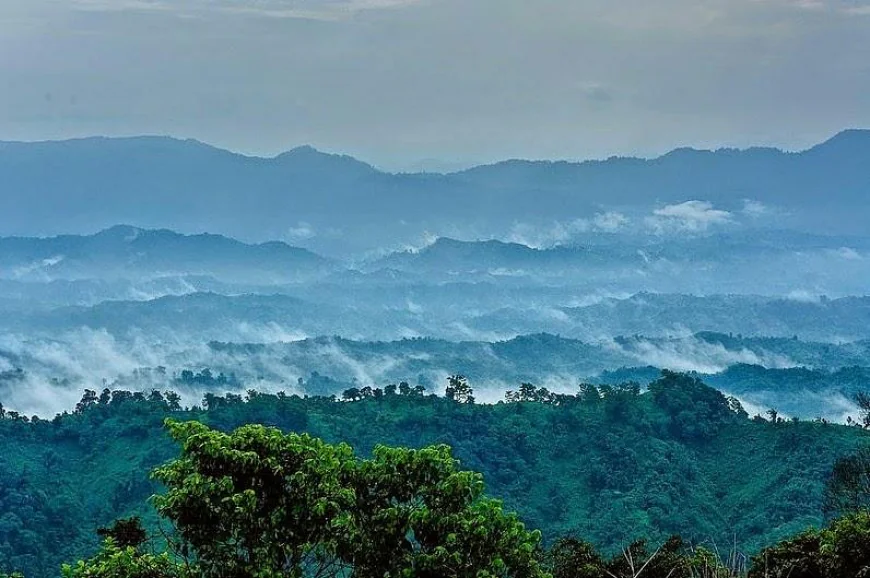
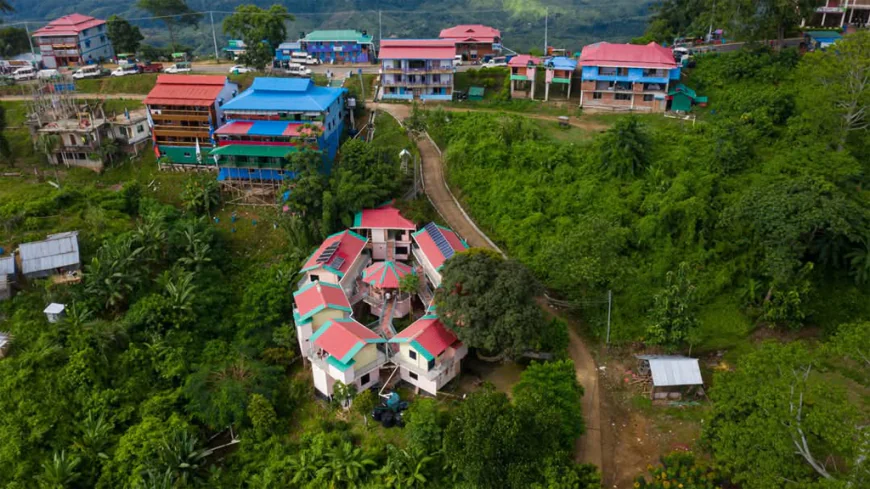
Situated in the Megh-Pahar Mountain range, Sajek is a crowded tourist spot. Photo: Wikipedia
Sajek Valley remains the most popular and crowded destination in the district. Situated in the Megh-Pahar Mountain range, Sajek is a crowded tourist spot. On holidays, an average of around 3,000 tourists travel to Sajek daily to enjoy the winter weather.
Shuvolong waterfall
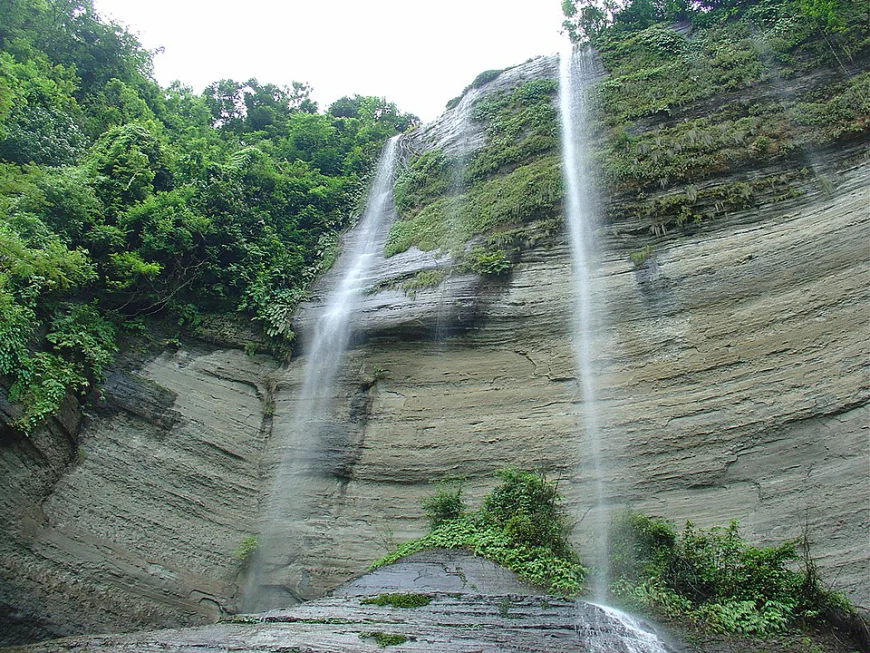
Located a short boat ride from the main town, Shuvolong is a spectacular cascade. Photo: Wikipedia
Located a short boat ride from the main town, Shuvolong is a spectacular cascade, especially during the monsoon season (July-October). Though it slows to a trickle in the dry winter, the surrounding area with its limestone rocks and dense bamboo groves remains a beautiful picnic spot.
Tribal Cultural Institute and Museum
To understand Rangamati beyond its beauty, visit this museum. It houses a fascinating collection of traditional attire, musical instruments, weaponry, and artifacts from the Chakma, Marma, Tripura, and Tanchangya communities. It tells the story of their unique Jhum (shifting) cultivation, their Buddhist faith, and their resilient history.
Local cuisine
Bamboo Chicken, fried crab, freshwater fish, brown rice, jhum rice are popular tribal menu among travellers.
Best season for visit
Winter (November to February) is ideal. The sky is clear, the air is crisp, and the hills are a brilliant green. Monsoon (June-September) offers roaring waterfalls but can make lake travel choppy.
How to go from Dhaka
A traveller can take a direct bus from Dhaka to Rangamati (5-6 hours via Chattogram) or fly to the port city and take a bus or taxi for the final 3-hour scenic drive through the winding hills.
Where to stay
In Rangamati town, there are resorts in popular spots such as the Hanging Bridge, Polwel Park, and various lakefront. Sajek Cottage Owners Association reports that Sajek currently has around 140 hotels, resorts and cottages, along with more than 14 restaurants.
Rangamati is not for the tourist who wants luxury resorts. It is for the traveller who seeks solitude, natural grandeur, and cultural depth. It is the sound of oars dipping into a silent lake, the taste of smoky bamboo chicken, and the sight of a sunset disappearing behind a thousand blue hills.