Development of Tourism Industry and Existing Barriers
In truth, in this twenty-first century, human civilisation—with all its limitations—could never have achieved such heights in economy, science, technology, clothing, cuisine, music, architecture and art had there been no such thing as travel
 Tariq Al Banna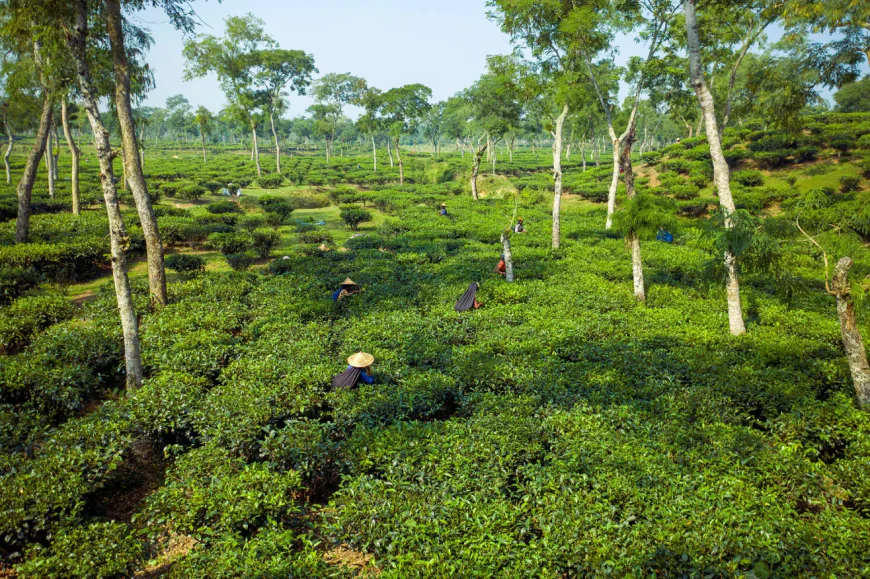
The history of our civilisation is essentially a history shaped by travellers or tourists. Whether it is the historical works of Herodotus, or travellers such as Hiuen Tsang, Fa-Hien, Marco Polo, Ibn Battuta or Al-Biruni, in those ancient times—when there were no modern means of transport—they journeyed on foot or spent months travelling in caravans, undertaking long and life-threatening expeditions from one country to another to learn about the world. And they shared that knowledge with others.
The Greeks who came with Alexander’s army wrote about India, including Bengal, and our subcontinental civilisation. In the medieval period, Al-Biruni wrote “Kitab fi Tahqiq ma li'l-Hind (commonly known as ‘India’). Inspired by the accounts of Marco Polo’s travels, the English poet Samuel Taylor Coleridge wrote Kubla Khan.
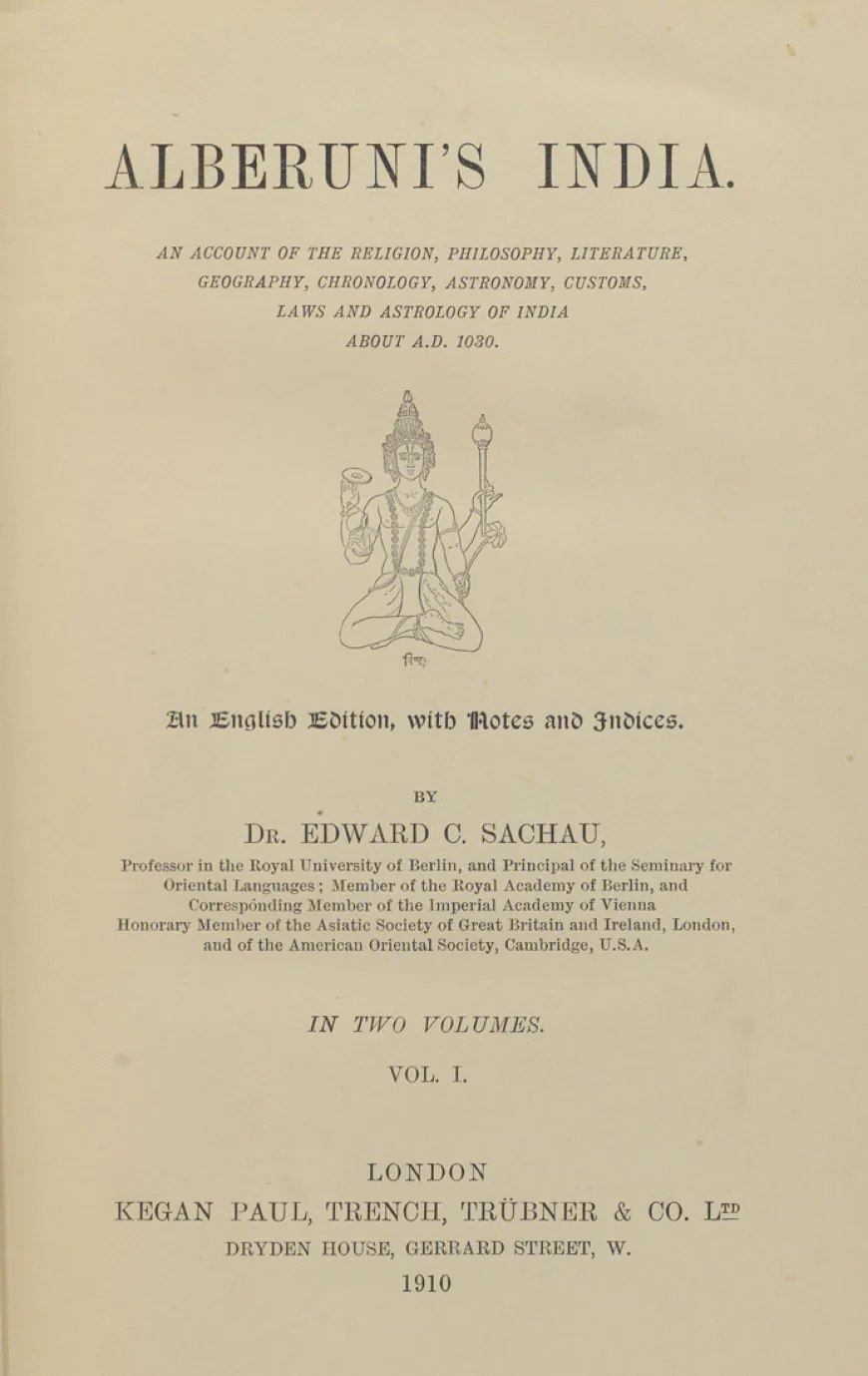
The cover photo of the English translation of Al Beruni's India published in 1910: Photo: Wikipedia
Ibn Battuta recorded what he saw during his visit to Bangladesh for future generations. Hiuen Tsang and Fa-Hien also travelled across the seven regions of Bengal. Later, explorers such as Columbus or Magellan and Drake unveiled the mysteries of unknown continents like South America.
In truth, in this twenty-first century, human civilisation—with all its limitations—could never have achieved such heights in economy, science, technology, clothing, cuisine, music, architecture and art had there been no such thing as travel.
From the pyramids, Sphinx and papyrus of Egypt, Chinese silk and Confucius, Greek philosophy, science and literature, the Maya or Inca civilisations of South America, the Mongolian observatories of Samarkand, the Hanging Gardens of Babylon, the Sumerian, Indian and Persian epics Gilgamesh, Ramayana, Mahabharata and Shahnameh, from Persepolis to Mohenjodaro, even to the Mughlai pulao in our kitchens today that came via Tajikistan and Uzbekistan—all of these have been made possible solely through intercontinental travel. The entire body of travel literature—from Rahul Sankrityayan’s “Volga Theke Ganga” to Rabindranath Tagore’s “Japan-Jatri” or Bangabandhu’s “Amar Dekha Naya Chin”—is profoundly capable of opening the eyes of readers to knowledge.
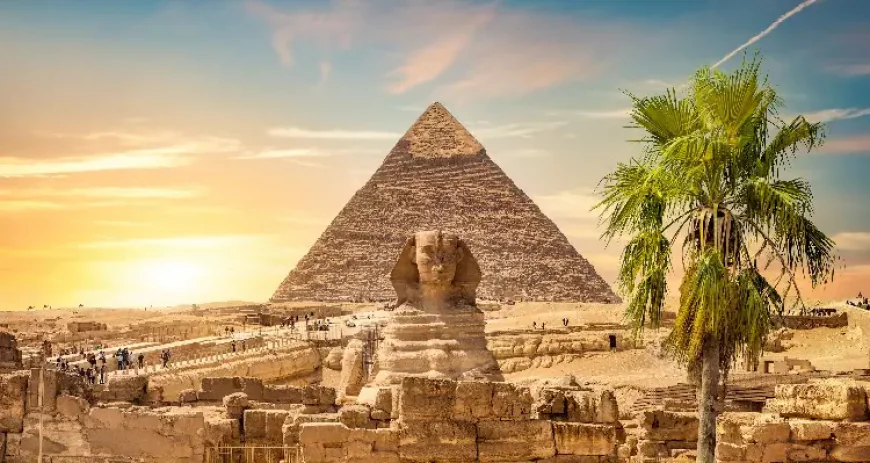
The Great Sphinx of Giza is a limestone statue of a reclining sphinx, a mythical creature with the head of a human and the body of a lion. Photo: Wikipedia
Yet it is a matter of deep regret that in the 50-year history of independent Bangladesh, we have still failed to build a safe, tourist-friendly and gender-equitable tourism infrastructure. Yes, perhaps ours is a small country.
Even if we do not have, like neighbouring India, the deserts of Rajasthan or Kashmir, the snow-capped mountains of Himachal or Arunachal, the riverine plains, or the diverse palaces, monuments, temples and mosques stretching from Aryavarta in the north to the Deccan in the south, we could still have developed tourism into an important sector of our economy by properly organising and presenting what we do have or had.
The 96-mile or 155-kilometre long unbroken sea beach of Cox’s Bazar, the tea gardens of Sylhet and Jaflong, the diverse culture of the Khasi and Manipuri ethnic communities, the Chittagong Hill Tracts, northern Bengal, or riverine Barishal—nature has not deprived this 56,000-square-mile country.
Yet, leaving aside the repeated incidents of harassment or assault of foreign tourists, particularly women, at Cox’s Bazar sea beach, videos have recently gone viral on Facebook showing local volunteers attacking tourists in Jaflong, Sylhet during the Eid holidays. Reports have also emerged of a similar incident in Natore shortly after Jaflong.
These were not foreign visitors but ordinary men and women of Bangladesh. Nor was it a case of a few young Bangladeshi men, unfamiliar with the outside world, reacting unexpectedly to the different style of dress of a foreign woman.
In a Bangladesh where women have, over the past fifty years, increasingly covered themselves, why should families or groups of friends who go out during festivals or holidays face extortion, physical assault, obscene remarks or even detention at police stations?
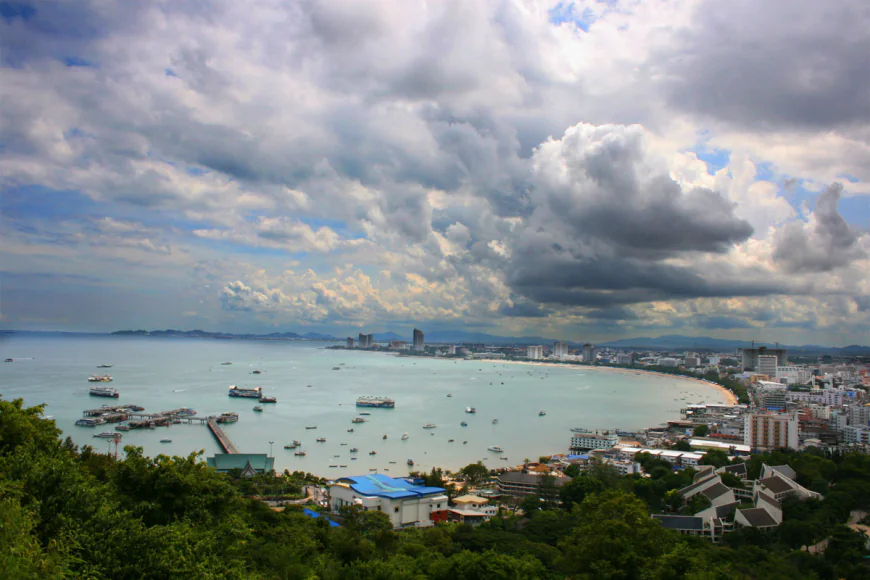
Popular tourist destination Pattaya Beach in Thailand. Photo: Collected
There is no need to go as far as Pattaya Beach in Thailand; even in Kolkata, just a half-hour flight from Dhaka, women move freely in any attire without facing such harassment. Why then is there so much harassment in Bangladesh? Why does a woman here find no relief even when she covers her arms, legs, nose and eyes in the sweltering heat of Chaitra and Baishakh? Why such agitation, and for what reason?
According to news reports published on 5 May 2022, “On Thursday (5 May) afternoon, during the Eid-ul-Fitr holidays at the Jaflong tourist area, local volunteers brutally beat tourists with sticks. Female tourists were also physically assaulted.”
Leaving aside repeated incidents of harassment or assault of foreign tourists, particularly women, at Cox’s Bazar sea beach, videos have recently gone viral on Facebook showing local volunteers attacking tourists in Jaflong, Sylhet during the Eid holidays. Local sources say that during the Eid days, some youths posing as volunteers were extorting money from tourists in the name of entry tickets and photography. After taking a photograph, they allegedly held tourists hostage and demanded between Tk 1,000 and Tk 1,500.
Following arguments over this, some youths acting as volunteers in the tourist area recklessly attacked the visitors. They beat tourists with bamboo sticks. When young women tried to protect their companions, they too were assaulted and harassed. Although locals witnessed the incident, none intervened.
At the beginning of the report it was further stated: “After the incident, allegations of extortion in the name of a development committee have emerged. A volunteer syndicate reportedly formed under the supervision of certain local leaders collects donations from hundreds of thousands of tourists and divides the proceeds among themselves. Behind this are some leaders of the ruling party who effectively control Jaflong. Various quarters are holding the upazila administration and the tourism development committee responsible. Even the district police were unaware of the collection of Tk 10 in the name of cleanliness.”
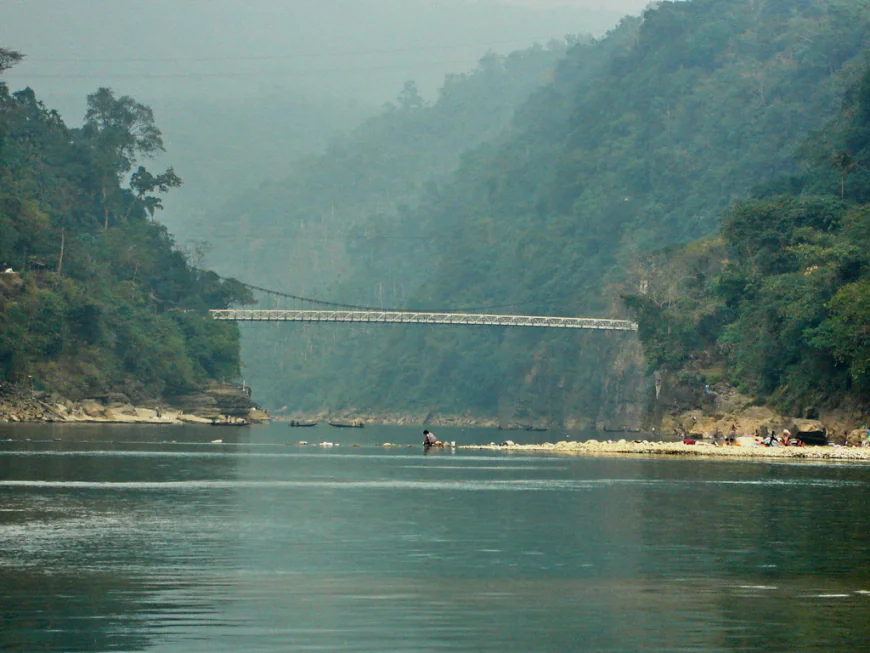
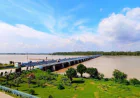
A scenic view of Piyain River at Jaflong in Sylhet. Photo: Wikipedia
Earlier, on 29 September 2021, a national daily published a report titled “Entry fee introduced in Sylhet’s Jaflong”. A report in The Daily Star on 28 November 2021 stated that, according to a Bangladesh Bureau of Statistics (BBS) report, the tourism sector contributes 3.02 per cent to the country’s GDP, amounting to more than Tk 76,690 crore in local currency.
According to the Tourism Satellite Account 2020, the first such report published by BBS, the sector generates 8.07 per cent of total employment. The report was prepared based on data from the 2018–19 fiscal year.
Not only ancient civilisations such as Egypt, Greece, China or India, but neighbouring Nepal and Sri Lanka also derive a large portion of their income from tourism. The sharp decline in tourism revenue during the two years of Covid has already caused severe economic downturns in Nepal and Sri Lanka. From Thailand to Cuba, tourism forms a major source of state revenue in many countries.
In Malaysia, the prudent ruler Mahathir Mohamad ensured that while the Muslim majority could freely practise their religious customs, foreign tourists in tourist areas were allowed to eat, drink and dress comfortably.
Needless to say, this was done to increase state revenue. Will Bangladesh ever become as rational, liberal and modern in developing tourism?
Read More: Why Bangladesh Struggles to Attract Tourists
Tourism Struggles Ahead of Ramadan in Bangladesh
How Political Unrest Crushed Bangladesh's Tourism & Aviation Industry
Why Bangladesh Struggles to Attract Tourists
A Year of Rapid Change in Bangladesh’s Aviation Industry
Some Heritage Sites and Monuments of Bangladesh
Nine Attractive and Scenic Places of Bangladesh
Narayanganj's Murapara Zamindar Bari: A Unique Example of Architectural Style
Bangladesh’s Aviation Drive Could Reshape Future of Tourism
Bangladesh-India Relations Show Signs of Recovery
New Bangladesh Govt Brings Light of Hope to Indian Tourism Sector
Bangladesh Resumes Visa Services in India
Bangladesh in the Eyes of an Indian Traveller
International Arbitration Board orders CAAB to Pay Tk1,650cr to ADC
Prime Minister Holds Meeting on Dhaka Airport’s Third Terminal
Old Dhaka’s Iftar: A Timeless Cuisine of Flavours and Heritage
New Airport Cargo Facility Lies Idle Amid Export Slowdown
Russia Unbound: Tours, Visas, and Travel Tips for Bangladeshi Nationals
Govt Steps Up Airport Safety Measures
Cricket Diplomacy Delivers Tourism Boom for Sri Lanka
UK to Issue Only E-Visas for Bangladeshi Applicants from February 25
Indonesia Visa System for Bangladeshi Travelers and Businessmen: What You Need to Know in 2026
Cox’s Bazar Dried Fish Market: A 300cr Industry Beckons Tourists, Exporters