

Sports tourism set to hit $926bn by 2032 as travel trends indicate
The sector has already shown a strong post-pandemic recovery—growing from $363.5 billion in 2018 to $544.3 billion in 2024—and is expected to expand at a compound annual growth rate of 6.89% over the next decade

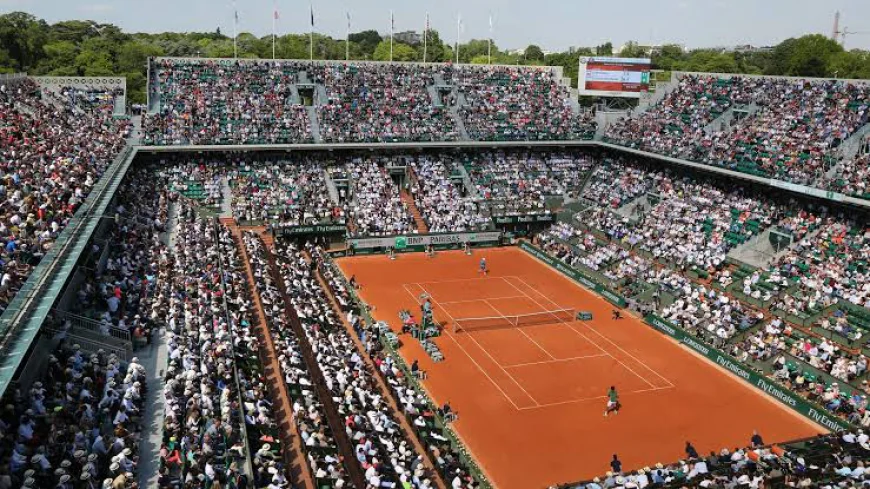
Global sports tourism is on course to become one of the most powerful forces in the travel industry, with the market projected to reach $926 billion by 2032, driven by rising demand for live sporting experiences and destination-based travel.
According to a recent industry analysis cited in a release by OpenPR, the sector has already shown a strong post-pandemic recovery—growing from $363.5 billion in 2018 to $544.3 billion in 2024—and is expected to expand at a compound annual growth rate of 6.89% over the next decade.
At its core, sports tourism combines travel with live sporting engagement, ranging from global events such as the FIFA World Cup to regional leagues, amateur competitions and training camps. What is changing is how people travel: fewer passive sightseeing trips and more experience-driven journeys built around events, teams and participation.
Industry analysts say this shift reflects a broader transformation in tourism. Travellers now want to be part of the moment—inside stadiums, at training grounds, or even competing themselves—rather than simply observing destinations.
Demand rising across regions
North America currently leads the global market with around a 31.8% share, supported by established leagues such as the National Football League and the National Basketball Association. Europe follows with 26.6%, driven largely by football tourism and seamless cross-border travel.
However, the fastest growth is coming from the Asia-Pacific region, which now holds roughly 23.9% of the market. Countries such as China, India and Japan are investing heavily in sports infrastructure and hosting international events to attract global visitors.
Domestic sports tourism dominates overall demand, accounting for nearly 60% of travel, as fans increasingly attend local matches and regional events. International travel, while smaller in volume, continues to generate higher spending per visitor.
From stadiums to experiences
What is driving this growth is a shift towards experiential tourism. Fans are no longer satisfied with watching games on screens—they are travelling to witness them live, often combining trips with cultural and leisure activities.
Tour operators and travel platforms are responding by offering curated packages that include match tickets, accommodation, behind-the-scenes access and even athlete interactions. Digital platforms have made booking easier, while innovations such as virtual reality and augmented reality are enhancing the overall experience.
Investment in infrastructure is also playing a key role. Smart stadiums, improved transport networks and integrated tourism planning are making destinations more attractive and accessible for sports travellers.
Opportunities and risks
The expansion of sports tourism is opening up new opportunities, particularly in emerging markets across Asia, the Middle East and Latin America. Governments are increasingly using major sporting events to boost tourism, attract investment and strengthen global visibility.
At the same time, participation-based travel—such as marathons, amateur tournaments and training camps—is growing rapidly, offering year-round demand beyond major events.
However, challenges remain. High ticket prices and travel costs can limit accessibility, while demand often fluctuates depending on event schedules. Geopolitical tensions, visa restrictions and environmental concerns linked to large-scale events also pose risks to sustained growth.
A changing tourism landscape
Industry experts say the next phase of growth will be shaped by technology, sustainability and personalisation. From blockchain-based ticketing systems to carbon-neutral event planning, the sector is evolving quickly.
There is also growing interest in women’s sports tourism, as global audiences expand and new leagues gain visibility—opening up fresh travel demand segments.
Outlook
With global sport becoming more interconnected and audiences more mobile, sports tourism is expected to remain a central pillar of the wider travel economy.
The key takeaway is simple: tourism is no longer just about where you go—it is about what you experience. And increasingly, that experience is taking place inside stadiums, on fields, and around the world’s biggest sporting moments.
What's Your Reaction?
 Like
0
Like
0
 Dislike
0
Dislike
0
 Love
0
Love
0
 Funny
0
Funny
0
 Wow
0
Wow
0
 Sad
0
Sad
0
 Angry
0
Angry
0





Comments (0)