

Bhawal Garh: A living testimony to Bengal’s history, heritage
Bhawal Garh remains a unique testimony to the history, tradition and folklore of Bengal, reflecting centuries of political power, cultural development and legendary events.

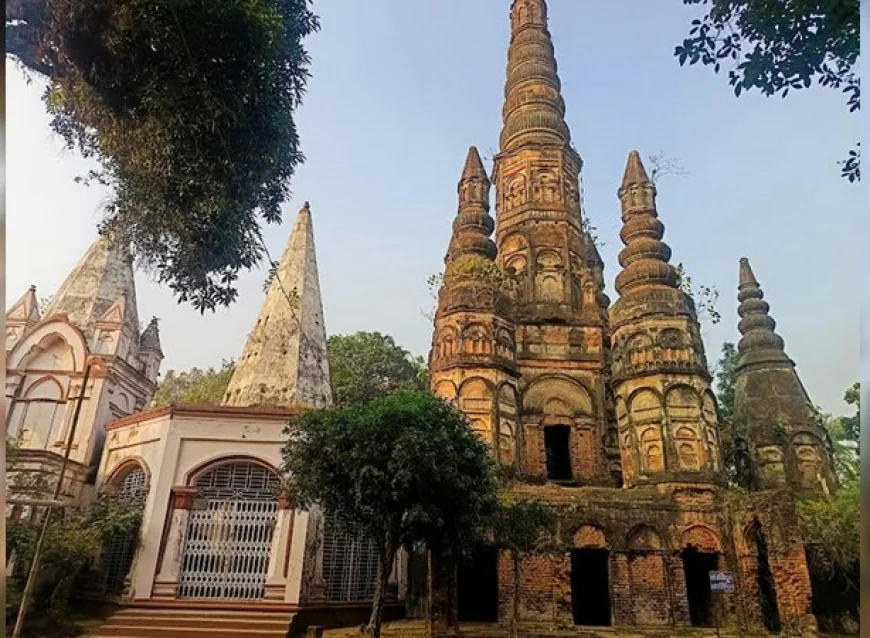
Bhawal Garh, spread across the Shal forest region of Gazipur district, remains a unique testimony to the history, tradition and folklore of Bengal, reflecting centuries of political power, cultural development and legendary events.
Once covered with dense Shal, Ghazari and Karai forests, Bhawal Garh encompassed parts of present-day Gazipur Sadar, Sreepur, Kaliakoir and Kapasia upazilas. Owing to its elevated and naturally protected terrain, the area historically served as a secure administrative centre and later emerged as one of the richest zamindaris (landowners) of Bengal, reports BSS.
Historians said that Bhawal Pargana gained prominence during the Mughal era, particularly under Emperor Akbar, when it became an important centre of revenue collection following the introduction of a modern tax system. Earlier, the region was ruled by the Ghazi family, including Daulat Ghazi, before passing into the hands of Hindu rulers such as Balaram and later Kali Narayan.
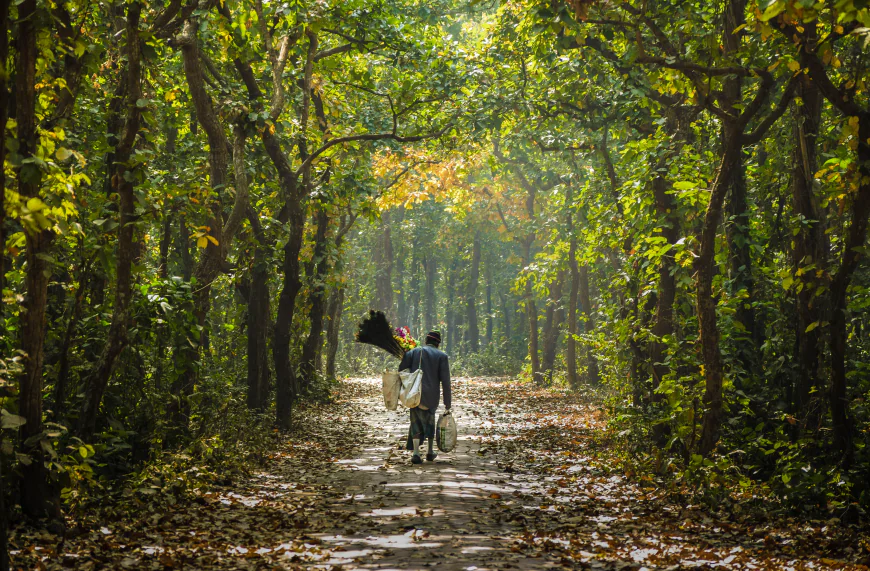
An elderly man walks through Shal forest at Bhawal Garh in Gazipur. Photo: Wikipedia
The Bhawal zamindari was formally established in the late 17th century. Its capital, the Bhawal Rajbari-constructed between 1870 and 1880-still stands as a striking architectural landmark. Built in a blend of European and Mughal styles, the palace reportedly contains 365 rooms. Other notable structures include the Nat Temple inside the palace complex, Bhawal Raj Dighi, and the cremation math temple nearby.
Senior journalist Rezaul Bari Babul of Gazipur told BSS that administrative activities of Bhawal Garh revolved around the Rajbari area, where the district administration is now located. "The huge Raj Dighi was excavated to enhance both security and aesthetic beauty," he said.
AM Ashraf Hossain, secretary of the Bangladesh Red Crescent Society, Gazipur Unit said Bhawal Pargana once generated significant revenue for the Mughal administration. "With proper planning, the remaining resources of Bhawal Pargana could still contribute to national welfare," he added, expressing concern over the gradual decay of historical sites.
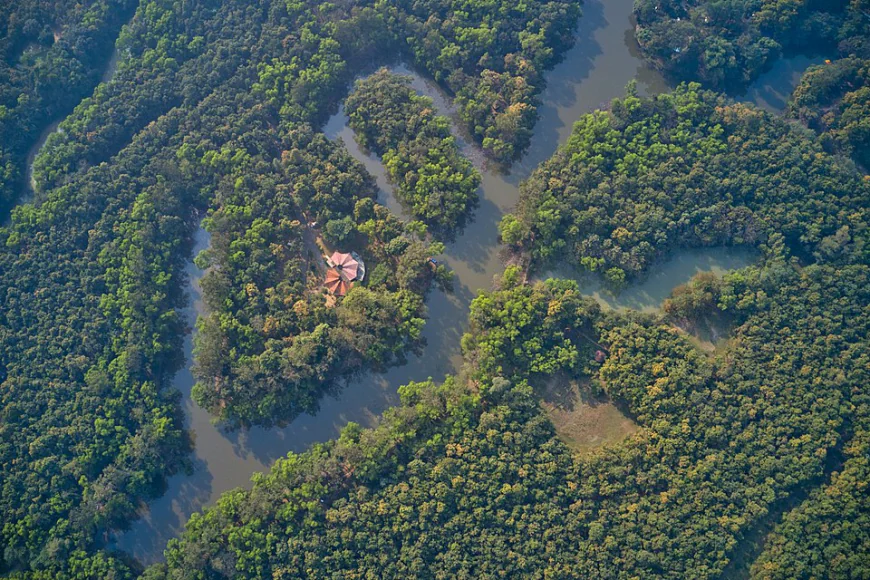
An aerial view of Bhawal National Park at Gazipur. Photo: Wikipedia
One of the most sensational episodes associated with Bhawal Garh is the Bhawal Sanyasi case. In 1930, a monk claimed to be Ramendra Narayan Roy, the second Bhawal Raja believed to have died years earlier, and filed a lawsuit seeking recognition as the rightful heir to the Bhawal estate. The case, contested by Rani Bibhavati Devi, became one of the longest and most dramatic legal battles during British rule in India.
Today, parts of the once-vast forest have been preserved as Bhawal National Park, while folk tales of saints, robbers and heroic figures continue to enrich local culture through songs, processions and oral traditions.
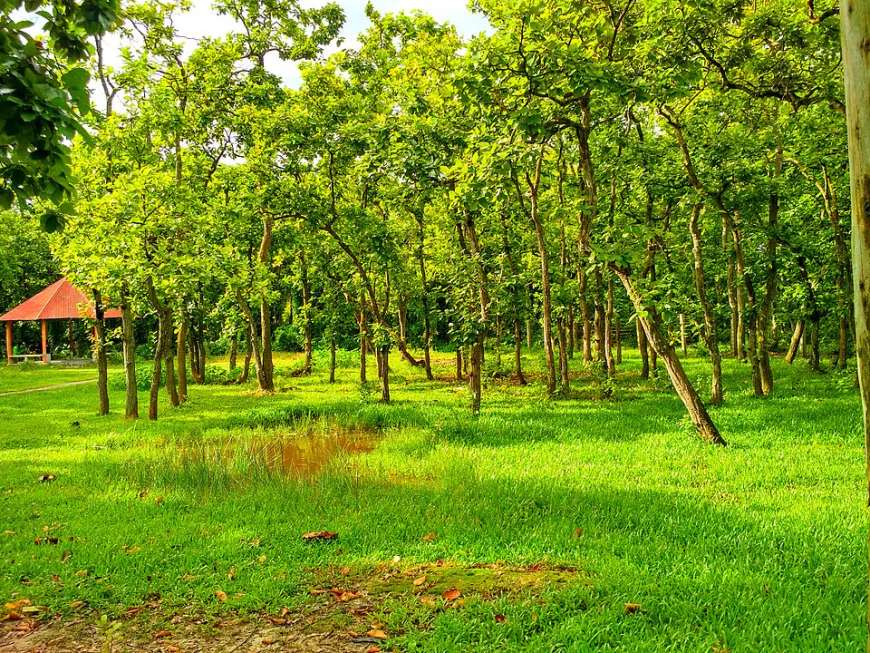
The Sal forest at Bhawal National Park in Gazipur. Photo: Wikipedia
Despite its growing popularity as a tourist destination, many historical structures in Bhawal Garh face deterioration due to inadequate conservation.
Local residents and heritage activists have called on the government to declare Bhawal Garh a national heritage site and undertake systematic preservation efforts.
Read More: Excessive overtime duty fatigues Biman pilots
Ratargul Swamp Forest wonders wanderers
Aesthetic architecture of Zahiria Mosque enchants worshippers in Feni
3-day tourism fair to start in Dhaka
Flight cancellations: Airlines incur major financial losses
ME conflict forces cancellation of 300 flights in 9 days: CAAB
Middle East routes resume gradually: CAAB
Malnicherra tea garden emerging as a key tourism destination
Tourism sector faces uncertainty amid escalating Middle East conflict
Ottoman culinary traditions continue to shape iftar meals across South Asia
US suspends immigrant visas for Bangladeshi citizens, effective from January 21
Govt to reopen closed airports before building new ones
Bangladesh in the Eyes of an Indian Traveller
Busting Myths: What It's Like to Travel Across Bangladesh
What's Your Reaction?
 Like
0
Like
0
 Dislike
0
Dislike
0
 Love
0
Love
0
 Funny
0
Funny
0
 Wow
0
Wow
0
 Sad
0
Sad
0
 Angry
0
Angry
0



Comments (0)