Nijhum Dwip: An unforgettable island of Bangladesh
The island holds strong potential to attract visitors seeking tranquillity and natural beauty. Situated in the Bay of Bengal, Nijhum Dwip lies at Hatiya upazila in Noakhali and serves as an ideal retreat for nature lovers and adventure seekers
 ATT Desk Report
Nijhum Dwip, or ‘Silent Island’, is a serene and secluded destination that has yet to receive widespread attention. However, the island holds strong potential to attract visitors seeking tranquillity and natural beauty. Situated in the Bay of Bengal, Nijhum Dwip lies in Hatiya upazila under Noakhali district and serves as an ideal retreat for nature lovers and adventure seekers. With its rich wildlife and unspoilt landscapes, the island remains a true natural treasure.
Travel guide to Nijhum Dwip
Travelling to Nijhum Dwip is an adventure in itself. From Dhaka, visitors must first travel to Noakhali by bus or train, a journey that typically takes six to eight hours. From there, a boat journey of up to three hours is required to reach the island. The boat trip is indeed enjoyable and provides an overall quite thrilling experience of local rivers and water bodies on the way thus leaving everyone feeling all the more special.
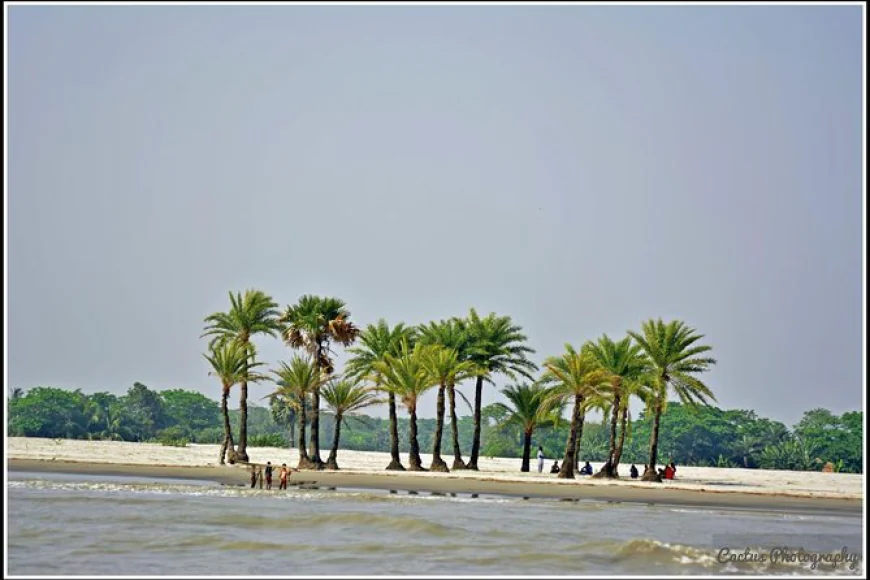
The eye-catching and very quiet environment of this island really justifies its name. Photo: Wikipedia
Natural beauty
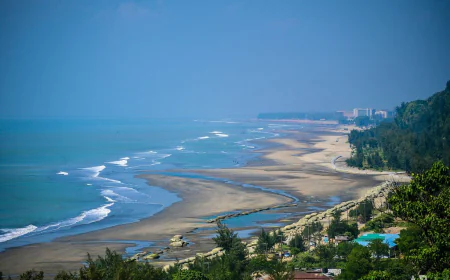
The island’s greatest appeal lies in its natural environment. Spanning around 6,680 hectares, Nijhum Dwip is covered with dense mangrove forests, long sandy beaches and diverse ecosystems. Its relatively low population has helped preserve the natural surroundings, making it an important site for eco-tourism.
- Nijhum Dwip Wildlife Sanctuary: A key attraction is the wildlife sanctuary, which is home to a wide variety of species. Birdwatching is particularly popular, especially during winter when migratory birds arrive. Pelicans, herons and eagles are commonly seen, while the area is also known for its deer population. The sanctuary plays an important role in conservation and attracts nature enthusiasts and wildlife observers.
- Mangrove forests: The island’s mangrove forests are vital for maintaining ecological balance, protecting against coastal erosion and supporting diverse marine life. Exploring these forests by boat is a unique experience.
- Beaches: Nijhum Dwip features several unspoilt beaches, offering visitors a peaceful setting to relax and enjoy nature. The quiet surroundings make it especially appealing to those seeking solitude.
Culture
Despite its small size, Nijhum Dwip has a rich cultural heritage. The local population includes people from Chakma, Hindu and Muslim communities, who live together in a simple rural setting. Fishing remains a central part of daily life, with villagers regularly collecting fresh catch from the sea and tidal waters using traditional methods.
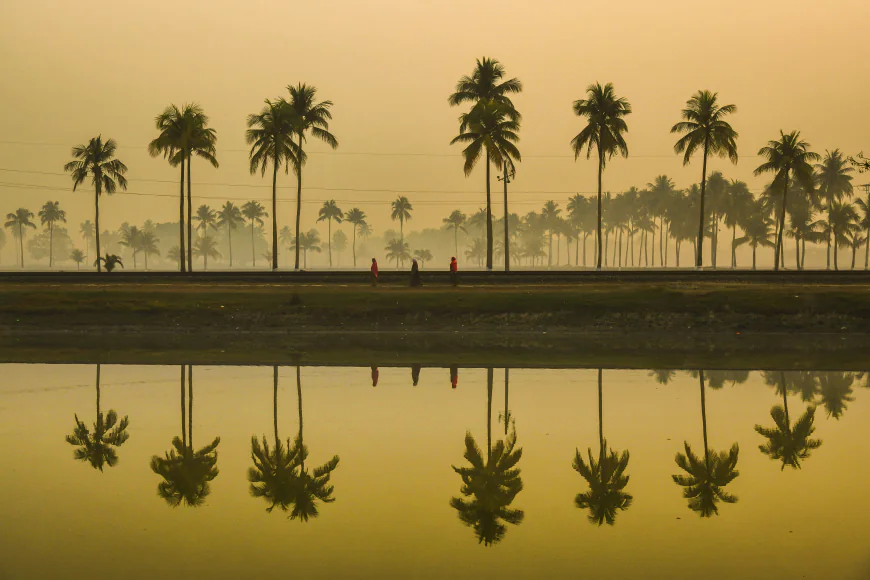
Tourists are bound to feel the silence during the exploration of Nijhum Island. Photo: Wikipedia
Things to do
- Birdwatching and wildlife tours: The winter season attracts migratory birds, making it an ideal time for birdwatching.
- Beach activities: Visitors can relax, walk along the shore and enjoy the peaceful coastal environment.
- Boat trips through mangroves: Guided boat rides offer opportunities to explore the island’s biodiversity.
- Fishing: Traditional fishing practices provide insight into the local way of life.
Best time to visit
The best time to visit Nijhum Dwip is during winter, from November to February. The weather is more comfortable and migratory birds are abundant, enhancing the overall experience.
Travel tips
Accommodation: Facilities on the island are limited. Visitors are advised to plan day trips or stay on the nearby mainland, such as Noakhali or Hatiya.
Food: Local cuisine, particularly fresh fish and seafood, is a highlight and worth trying.
Safety: While generally safe, visitors should remain cautious of weather conditions, especially during the monsoon season when the sea can become rough.
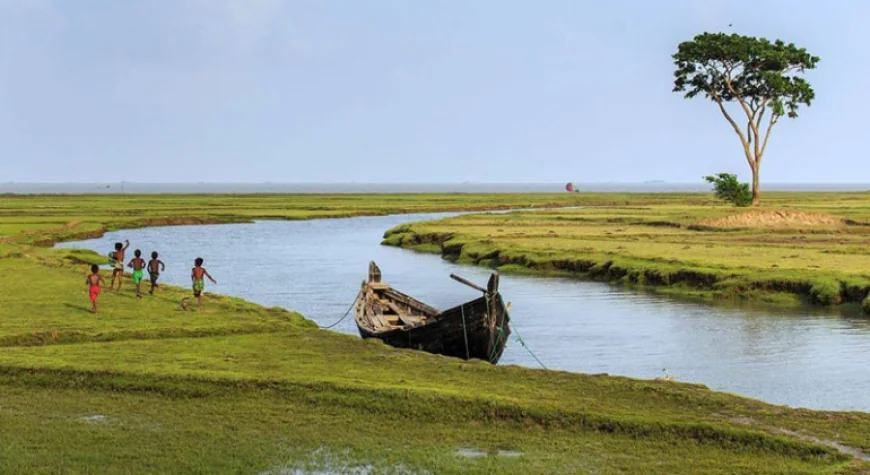
The amazing view will make the tourist free from monotonous and tensed life. Photo: Wikipedia
Nijhum Dwip offers a peaceful escape from urban life, allowing visitors to immerse themselves in nature. Whether for wildlife observation, photography or simply relaxation by the sea, the island provides a unique and refreshing experience.
For those interested in eco-tourism, Nijhum Dwip stands out as a compelling destination and deserves a place on any travel itinerary in Bangladesh.