

Middle East crisis: Can South Asia boom as a tourist hub?
South Asia—comprising countries such as Bangladesh, India, Pakistan, Sri Lanka, Nepal, Bhutan and the Maldives—offers an extraordinary blend of natural beauty, cultural depth, spiritual heritage and affordability
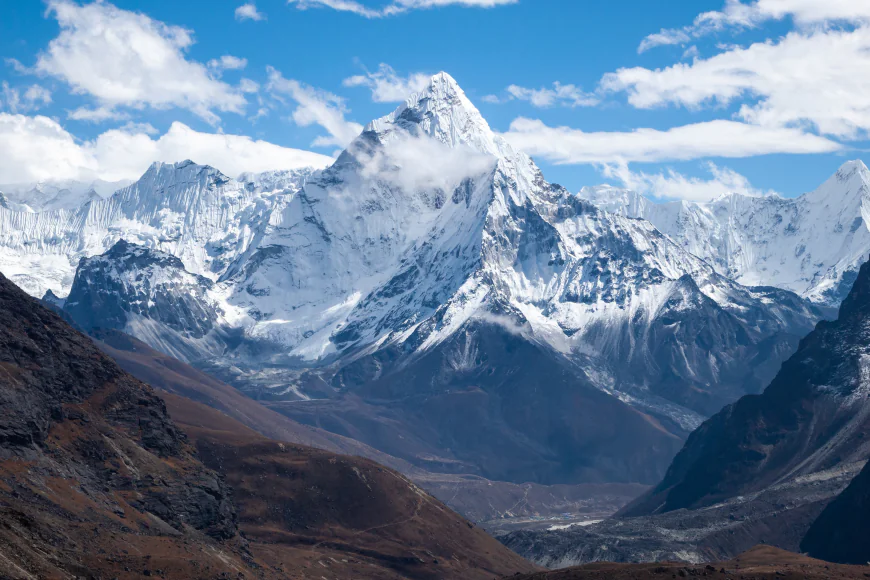
The global tourism industry is currently confronting uncertainty amid a potentially exploding Middle East. Traditionally popular destinations in the region often encounter rapid declines in visitor numbers during times of conflict. In this swinging geopolitical panorama, South Asia holds prospects to reposition itself as a stable, diverse and sustainable global tourism destination.
South Asia—comprising countries such as Bangladesh, India, Pakistan, Sri Lanka, Nepal, Bhutan and the Maldives—offers an extraordinary blend of natural beauty, cultural depth, spiritual heritage and affordability. From the Himalayas to the Indian Ocean, from ancient civilisations to modern megacities, the region presents a tourism mosaic unmatched in diversity.
For European travellers seeking experiences that transcend ordinary tourism, the Taj Mahal in India and the Mount Everest in Nepal epitomise not merely destinations, but transformative journeys into history and human achievement at their most sublime. Hunza Valley in Pakistan consistently ranks as the top destination for foreign visitors.
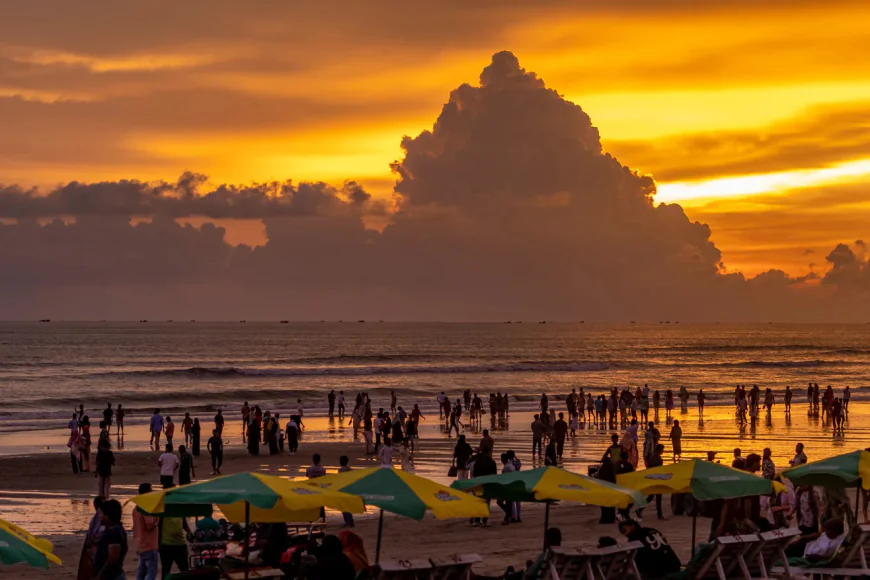
Tourists enjoy sunset at Cox's Bazar sea beach. Photo: Wikipedia
Tourism in Bangladesh
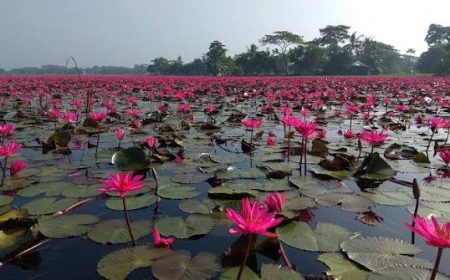
As for Bangladesh, the country features the Sundarbans—the world’s largest halophytic mangrove forest—and Cox’s Bazar, which is home to one of the world’s longest natural sea beaches. However, the country’s tourism sector faced major challenges after the Gen-Z revolution on 05 August 2024. The unrest led to mass cancellations by foreign tourists, causing millions in losses for tour operators. However, Bangladesh has made a rebound in tourism following the 13th general election.
Asian Destinations Rise as Middle East Airspace Closes
For European travellers seeking the perfect Indian Ocean escape, the Maldives and Sri Lanka present an appealing combination of tropical luxury and cultural richness. Bhutan offers a rare opportunity to explore a carbon-negative country where ancient Buddhist traditions flourish among some of the world’s most breathtaking natural scenery.
The ongoing Israel-Iran war has devastated what was once one of the world’s fastest-growing tourism regions. The prestigious forecaster Oxford Economics projects that international tourist arrivals to the Middle East will drop by 11 to 27 percent in 2026.
Major Gulf hubs, including Dubai International Airport and Hamad International Airport in Doha, suspended or severely curtailed operations following ‘Operation Epic Fury’—the US-Israeli military strikes that began on February 28. Even airlines like Emirates, Qatar Airways and Etihad also cancelled flights.
As Middle-Eastern airspace remains closed, travellers are actively seeking alternatives. Southeast Asian nations—Thailand, Vietnam, Malaysia and Indonesia—are already benefiting, with Bali, Kuala Lumpur and Singapore emerging as critical alternative transit hubs for flights between Europe, Africa and Asia.
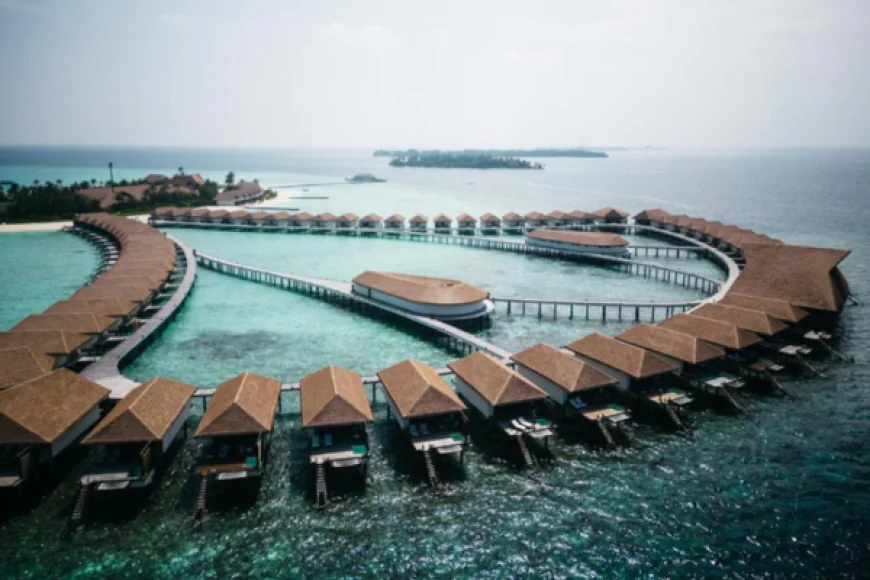
Keyodhoo, a picturesque island in Vaavu Atoll (south of Malé), is a great place for tourists seeking authentic culture and thrilling wreck diving. Photo: Sharetrip
Tourism in South Asia
The region possesses compelling advantages. Sri Lanka’s tourism sector is rising, with arrivals surpassing half a million in the first two months of 2026—an 11 percent increase per year. India attracted 1.81 million American visitors alone in 2025, demonstrating enduring Western appeal.
On the other hand, Nepal welcomed over 92,500 international tourists in January 2026, a 15 percent increase, with South Asian visitors comprising nearly 40 percent of arrivals.
South Asia lacks the Gulf’s sophisticated aviation infrastructure. Dubai and Doha functioned as global super-connectors; no South Asian city yet matches their transit capacity. India’s foreign tourist arrivals declined 9.4 percent in 2025, primarily due to visa restrictions and political tensions with Bangladesh.
SAARC Heritage Forum 2025 in Colombo, aims to strengthen cultural cooperation, preserve shared heritage and develop frameworks for heritage-based tourism. Culturally, the region is a living museum. It is home to ancient civilisations, UNESCO World Heritage Sites and some of the world’s oldest religious traditions. Buddhist pilgrimage circuits in Nepal and India, Islamic architectural marvels in Bangladesh and Hindu temples across the region draw millions of spiritual travellers each year.
In a time when global travelers seek authentic experiences, South Asia’s festivals, cuisine, crafts and community-based tourism provide meaningful engagement rather than mere sightseeing.
Affordability is another comparative advantage. As global inflation affects travel budgets, South Asia remains relatively cost-effective compared to Europe, North America, or parts of East Asia.
South Asia can certainly capture redirected tourist flows—particularly from European and North American markets seeking alternatives to Middle Eastern destinations. The Maldives remains a luxury beach destination comparable to Dubai. Sri Lanka's cultural heritage rivals Jordan’s. Nepal's mountains offer unique adventure tourism.
What Matters Now
South Asia cannot simply “replace” the Middle East overnight. The Gulf’s tourism success rested on deliberate, decades-long investment in aviation infrastructure, visa liberalisation and mega-attractions. South Asian nations must accelerate similar reforms—simplifying visas, enhancing airport capacity and aggressively marketing their distinctive offerings.
Digital promotion also matters. Social media campaigns, influence partnerships and international travel expos can reshape global perceptions. In a world driven by visuals and narratives, South Asia must tell its own story—of resilience, hospitality and heritage.
The ongoing crisis presents an unprecedented opportunity. Whether South Asia seizes it depends on how swiftly governments and industry stakeholders adapt to the new geopolitical reality.
Read More: ME conflict to affect Bangladesh’s strong remittance growth
The sunflower tourism of Raozan
A US F-15 fighter jet crashes in Kuwait
Two Bangladeshi expatriates killed and seven injured in Middle East conflict
US suspends immigrant visas for Bangladeshi citizens, effective from January 21
Airspace closures cancel 102 flights in 3 days at HSIA
More ME flights axed as misery deepens for stranded passengers
Govt to reopen closed airports before building new ones
Bangladesh in the Eyes of an Indian Traveller
Busting Myths: What It's Like to Travel Across Bangladesh
Why Bangladesh Struggles to Attract Tourists
Bandarban: The Paradise of Nature
How Political Unrest Crushed Bangladesh's Tourism & Aviation Industry
Some Heritage Sites and Monuments of Bangladesh
Nine Attractive and Scenic Places of Bangladesh
Bangladesh Resumes Visa Services in India
What's Your Reaction?
 Like
0
Like
0
 Dislike
0
Dislike
0
 Love
0
Love
0
 Funny
0
Funny
0
 Wow
0
Wow
0
 Sad
0
Sad
0
 Angry
0
Angry
0

Dr Mohammad Ferdous Khan appears to be a multifaceted and evolving professional, balancing academic, creative, and media-oriented pursuits. He has done his PhD from University of Dhaka in 2025 entitled “Reflection of Social Relations in Advertising Art of Post Independent Bangladesh". His research papers appear in different journals home and abroad.


Comments (0)