Dhaka Kendra: A gallery preserving Dhaka's rich history
This unique museum, gallery and library, established by the Maula Buksh Sardar Memorial Trust in Old Dhaka, has grown into a one-stop centre for the study of the city’s past and heritage
 ATT Desk Report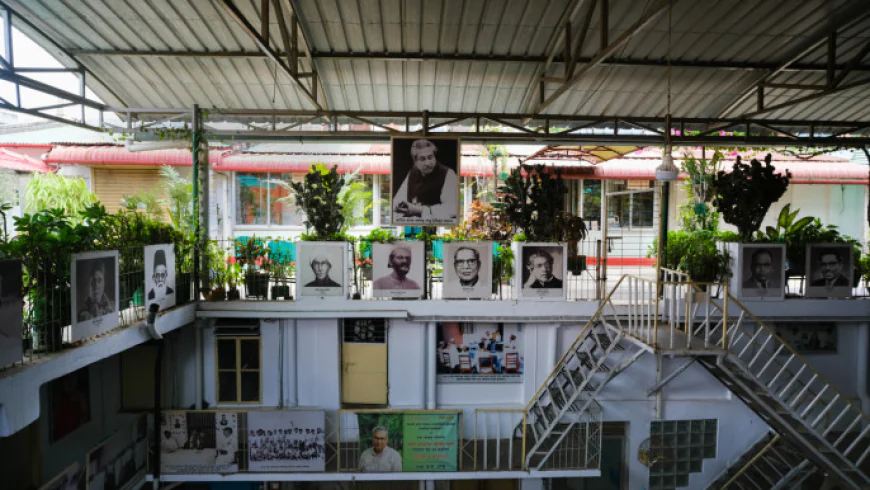
Dhaka Kendra, a centre dedicated to practising and preserving Dhaka's history, heritage, culture, customs and traditions, houses a rich collection of archaeological and historical artefacts.
This unique museum, gallery and library, established under the supervision of the Maula Buksh Sardar Memorial Trust at 23 Mohini Mohan Das Lane in Old Dhaka, has grown into a one-stop centre for the study of the city’s past and heritage, reports BSS.
The Kendra holds around 300 rare and scarce old coins, a radio from the Second World War, a second-generation television from the early days of the Dhaka Television Centre, and the control box of Dhaka's first traffic light.
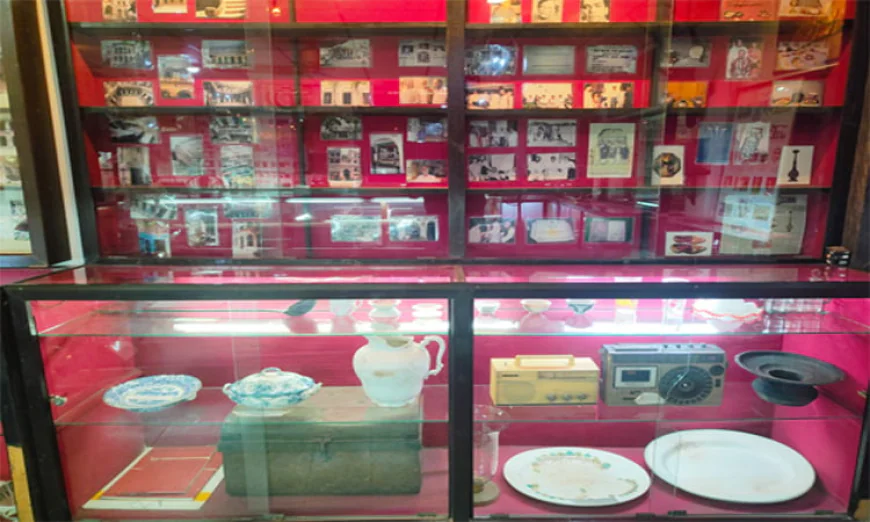
This unique museum, gallery and library, was established by the Maula Buksh Sardar Memorial Trust at 23 Mohini Mohan Das Lane in Old Dhaka. Photo: BSS
The main attraction of Dhaka Kendra is its historical gallery, which features items such as bags with gun cartridges, handled bags, a gramophone, a typewriter, brass and silver utensils, conch shells, old bricks, porcelain pulao dishes, medicine-making machines, specialised weighing devices, perfume and rose water jars, "rekabi" (a type of brass serving dish) and invitation pots, as well as old cameras, watches and maps from various eras.
A special highlight of Dhaka Kendra is the 'Dhaka Panchayat Gallery', where documents, letters, used furniture and personal belongings of the Panchayats of Dhaka are preserved.
Another major draw is the library, which houses more than 8,000 books on Dhaka, including works on history, heritage, research, memoirs and biographies of freedom fighters.
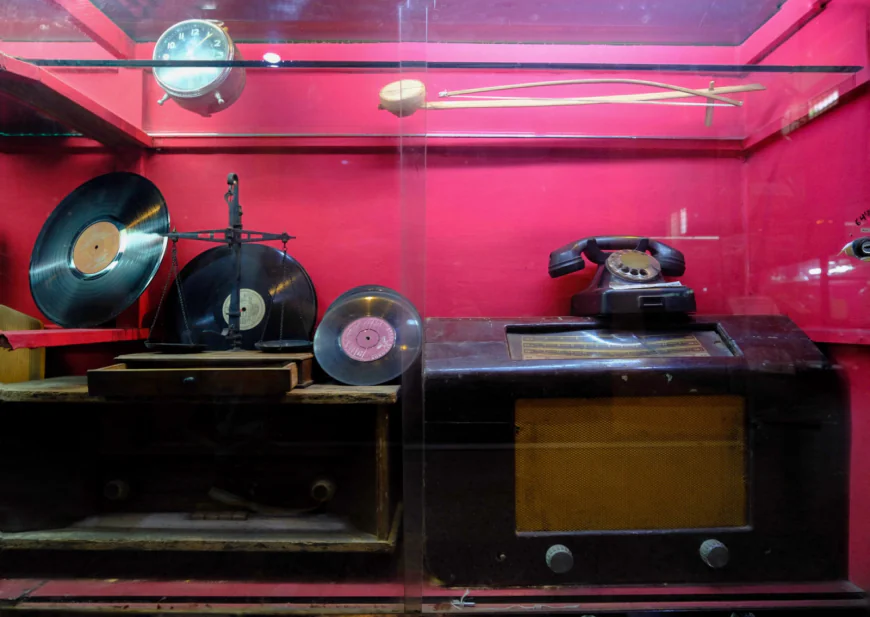
The families that have come forward and contributed their belongings - such as gramophone rotary telephones - were once aristocratic families. Photo: Saqlain Rizve
The centre also includes a research facility, reading room, book sales outlet, Bilkis Banu Memorial Auditorium and an environmentally friendly garden, which features a victory sculpture commemorating the Liberation War.
The core activities of Dhaka Kendra include research, publication, exhibitions and initiatives aimed at preserving the city’s heritage.
It regularly organises discussion sessions, reading circles, book publication programmes and research-based exhibitions.
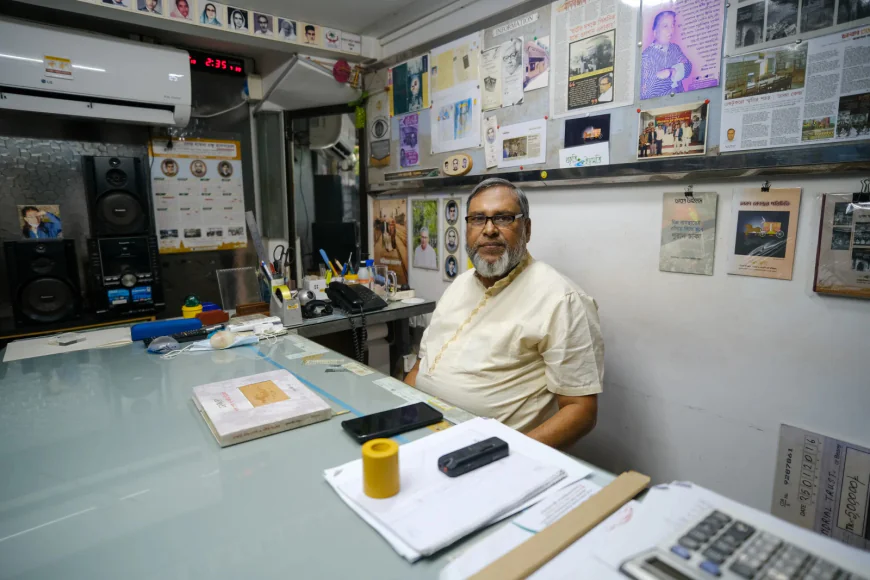
Mohammad Azim Buksh, director of Dhaka Kendra. Photo: Saqlain Rizve/TBS
In addition, the organisation is working tirelessly to revive lost heritage, preserve the lives and contributions of freedom fighters, raise environmental awareness and inspire the younger generation to engage with Dhaka's culture and heritage.
Visitor Riazul Islam, a student of the Anthropology Department at Jagannath University, said, "When I entered Dhaka Kendra, it felt as though the past had come alive before my eyes."
"Every artefact not only reflects history but also reveals the depth of our culture. Every object, every book and every glass display here tells the story of Dhaka. As an anthropology student, I see it as both a valuable research source and a repository of personal experience," he said.
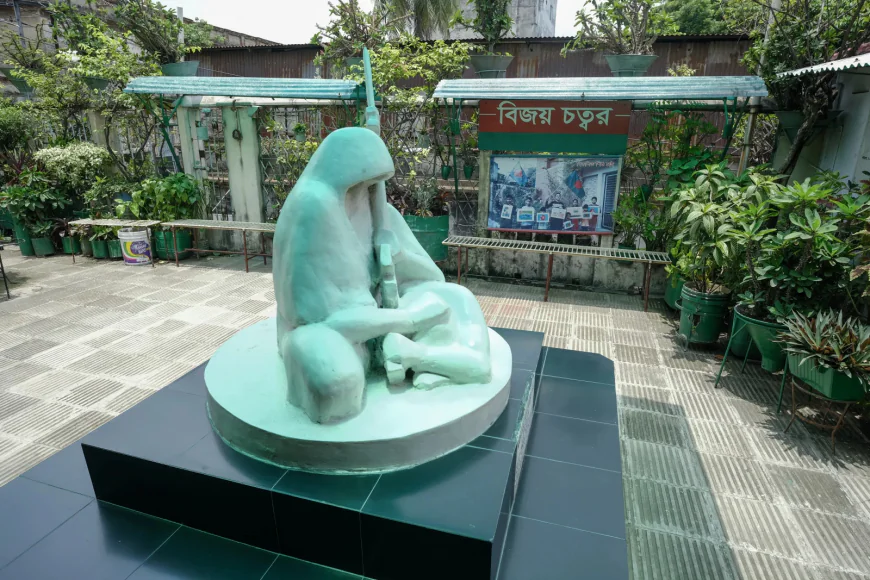
A sculpture at the Dhaka Kendra premises. Photo: Saqlain Rizve/TBS
Coordinator of the Kendra Moniruzzaman said, "We want people to come here not just to read books, but to truly get to know Dhaka city. Its past, its alleys, culture, leadership and resistance—all can be found in its library, museum and gallery."
"Our dream is to create a space for discussion—about books, research, and questions and answers. Dhaka Kendra is a hub for nurturing love for Dhaka. We hope this love will grow among the younger generation through books, through the words on their pages, and through the reflections of history showcased in the exhibitions," he said.