Severe power cuts disrupt Cox’s Bazar tourism
Daily electricity shortages--ranging from 8-10 hours in the district headquarters to as much as 15-16 hours in outlying sub-districts--are undermining hotel operations, discouraging visitors and straining local businesses amid an ongoing heatwave
 Anindya Arif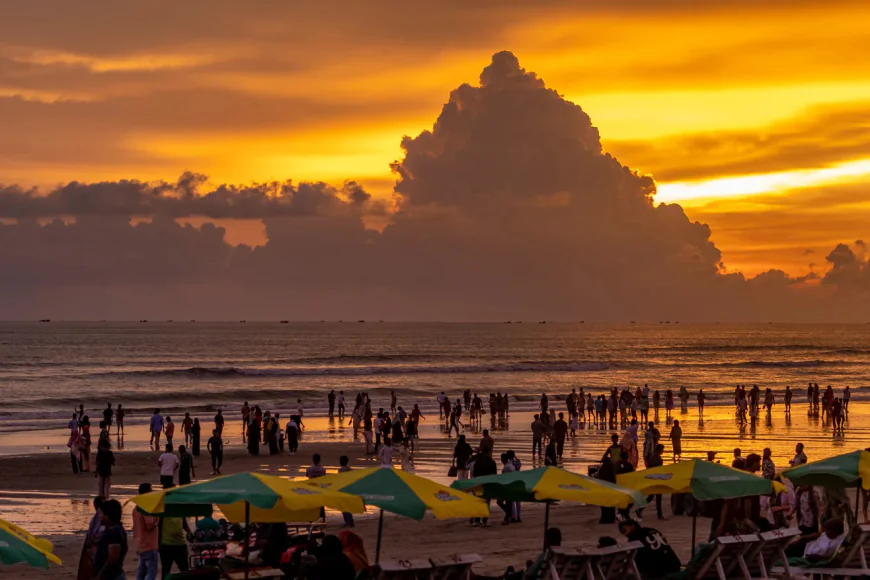
Prolonged and widespread power outages are disrupting tourism and economic activity in Cox’s Bazar, raising fresh concerns over infrastructure resilience in one of South Asia’s fastest-growing beach destinations.
Daily electricity shortages-ranging from 8 to 10 hours in the district headquarters to as much as 15 to 16 hours in outlying sub-districts-are undermining hotel operations, discouraging visitors and straining local businesses amid an ongoing heatwave.
Industry stakeholders warn that the situation, if prolonged, could erode confidence in Cox’s Bazar as a reliable tourism hub, particularly at a time when Bangladesh is seeking to expand its domestic and regional travel market.
Tourism services under pressure
Operators across the hospitality sector report a sharp decline in service quality and guest satisfaction.
Haji Abul Kashem Sikder, president of the Cox’s Bazar Hotel-Motel and Guesthouse Owners’ Association, said more than 500 hotels and guesthouses are struggling to maintain basic services.
“Stable electricity is fundamental to hospitality. Without cooling, lighting and water systems, service standards collapse,” he said. “We are already seeing early departures and booking cancellations.”
Hotels have increasingly turned to diesel-powered generators, but rising fuel costs and supply shortages have made continuous backup power financially unsustainable for many operators.
The broader impact is reflected in visitor experiences.
Mahmud Hasan, a traveller from Dhaka, arrived in Cox’s Bazar with his family expecting a standard beach holiday. Instead, he encountered extended outages that disrupted basic amenities.
“There was no electricity for most of the day. Air conditioning was unavailable during peak heat hours, and even water supply was inconsistent,” he said. “We decided to shorten our stay.”
Hospitality analysts say such experiences risk damaging destination reputation, particularly in an era where online reviews and social media rapidly shape travel decisions.
Residents and local economy under strain
Beyond tourism, the outages are affecting daily life and economic stability.
Sumaiya Siddika, a resident of the Burmese Market area, said households have been without power for most of the day over the past several days.
“Appliances are being damaged, and daily life has become extremely difficult,” she said.
Advocate Mujibul Haque alleged uneven electricity distribution, pointing to unauthorized dual connections in some buildings as a factor exacerbating shortages for regular consumers.
Business and employment risks
Small and medium enterprises are also facing mounting losses.
Abdus Salam, president of the Cox’s Bazar Poultry Farm Owners’ Association, said more than 2,000 farms and small businesses are at risk of closure.
“If these operations shut down, up to 14,000 workers could lose their jobs. It will also drive up food prices,” he said.
Abu Morshed Chowdhury Khoka, president of the Cox’s Bazar Citizens Committee, said the crisis has affected more than 2.3 million consumers across multiple sub-districts.
“This is not just a power issue-it is impacting tourism, agriculture, fisheries and small industries simultaneously,” he said.
Agriculture sector faces irrigation crisis
Agriculture, a key component of the regional economy, is also under pressure.
According to officials, more than 4,200 irrigation pumps are currently inactive due to electricity shortages and limited diesel supply, affecting irrigation across approximately 25,000 hectares of farmland.
Farmer Saiful Alam said he has been unable to operate his irrigation system for weeks.
“If the situation continues, crop losses will be inevitable,” he warned.
Structural supply gap
Officials acknowledge a significant supply-demand mismatch.
Md Abdul Kader Gani, executive engineer of the Bangladesh Power Development Board in Cox’s Bazar, said the district requires around 45 megawatts of electricity per day but is receiving only about 30 megawatts.
“Priority is being given to hospitals and essential services, but the gap remains difficult to manage,” he said.
Rural demand is even higher. Mokbul Alam, general manager of the Cox’s Bazar Rural Electrification Association, said demand stands at around 150 megawatts, while supply is limited to approximately 100 megawatts.
Strategic implications for tourism
Tourism analysts warn that persistent infrastructure disruptions could undermine Bangladesh’s broader strategy to diversify its tourism sector beyond a few flagship destinations.
Cox’s Bazar, home to the world’s longest natural sea beach, has been central to efforts to boost domestic tourism and attract international visitors.
However, service reliability remains a critical factor in sustaining growth.
“Tourism competitiveness today is not just about natural assets-it depends heavily on infrastructure, service quality and visitor experience,” said a Dhaka-based tourism analyst.