

Chini Mosque: A centuries-old architectural marvel
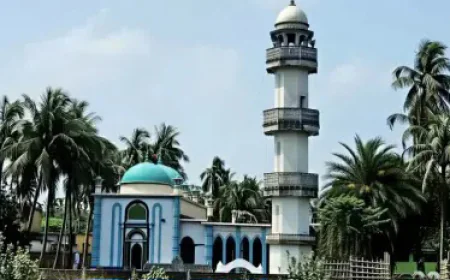
Built in 1863, the architectural style of the mosque reflects Islamic tradition, with extensive use of chinaware plates and glass fragments—amounting to around 25 tonnes—adorning its walls
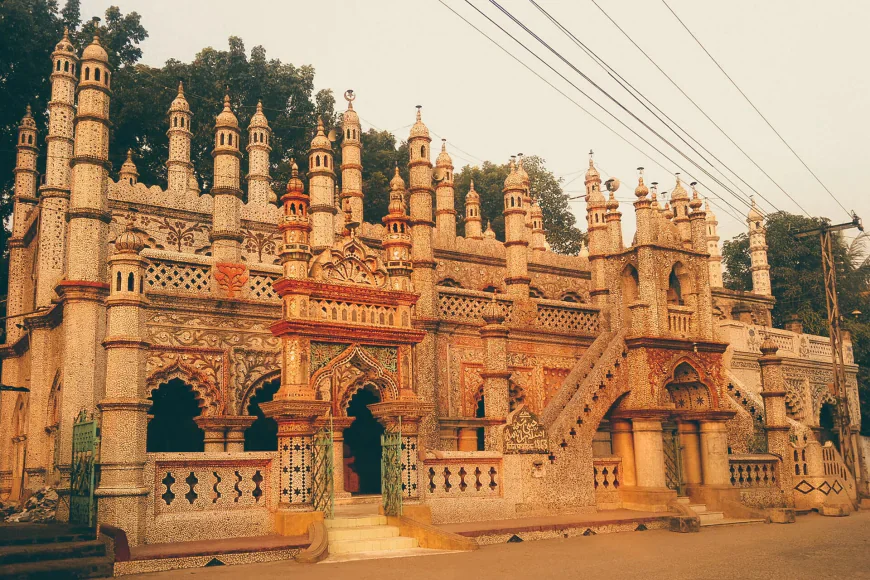
Chini Masjid in Nilphamari, about 360km northwest of Bangladesh’s capital, Dhaka, is a unique architectural landmark that has attracted visitors from home and abroad for generations.
Built in 1863, the mosque reflects the conventional architectural style associated with Islamic tradition. What sets Chini Masjid apart is the extensive use of chinaware plates and glass fragments—amounting to around 25 tonnes—adorning its walls, according to reports by the Chinese news agency Xinhua and the Dhaka Tribune.
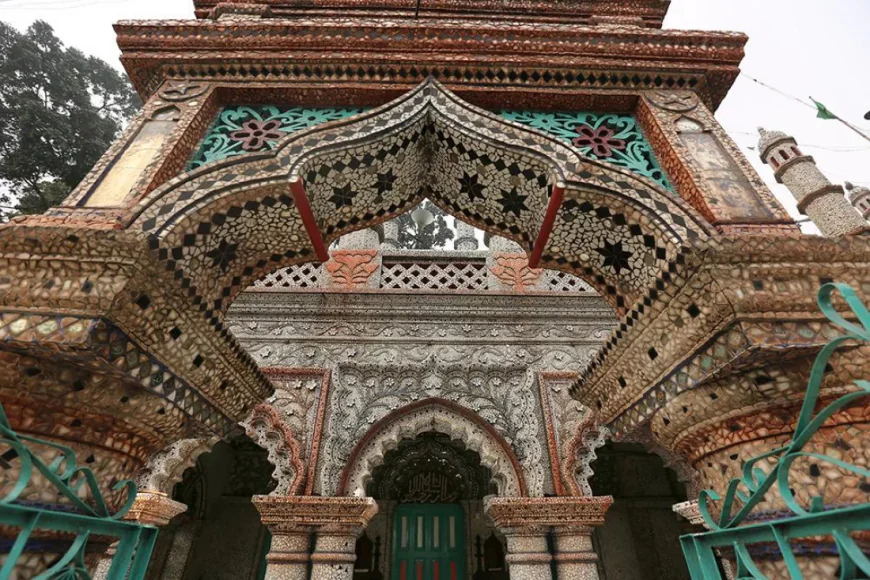
Construction of the mosque is heavily influenced by Mughal architecture, even though it was built in 1863. Photo: Syed Zakir Hossain/DT
The construction of the mosque was completed within just one year, which seems remarkable given the intricacy of its external and internal designs. Approximately 283 pieces of cross marble were used in its decoration. In addition, around 25 tonnes of small chips of chinaware plates and glass—both coloured and colourless—were embedded into the structure. The mosque features 27 towers, of which five remain incomplete.
So resplendent were the ceramic and stone embellishments that the place of worship soon came to be known as the “Chini Masjid”, drawing visitors from far and wide.
Located in the town of Saidpur, about 20 km from Nilphamari, the historic mosque is widely admired for its aesthetic appeal. Despite popular misconceptions, it was not constructed by the Chinese. The name “Chini” is believed to derive either from the Bangla word for sugar—referring to the fine, grain-like arrangement of the decorative elements—or from the extensive use of porcelain materials.
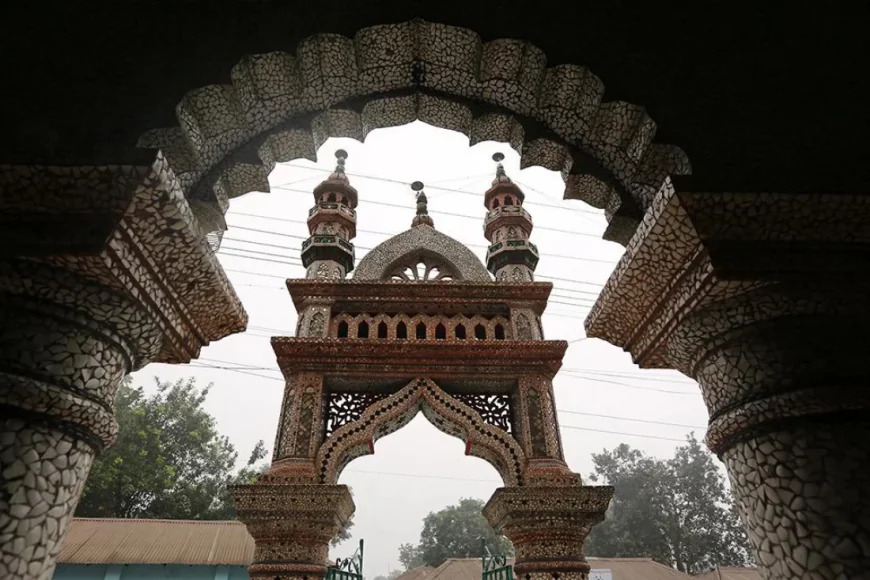
The two-storied mosque can house over 500 people during daily prayers. Photo: Syed Zakir Hossain/DT
Built by the people
Hafez Muhammad Arif Reza, the mosque’s muezzin, said that in 1883 Haji Baker Ali and Haji Muku initially built a small prayer room made of cane and bamboo in the Islambagh area of Saidpur.
“The local people gradually expanded the mosque using corrugated tin, funded by their own contributions,” he said, adding, “Many tourists from home and abroad now come to visit our mosque.”
He further noted that the descendants of Ahmed later extended and modified the structure, enhancing its beauty with decorative Chinese ceramics brought from Kolkata, India.
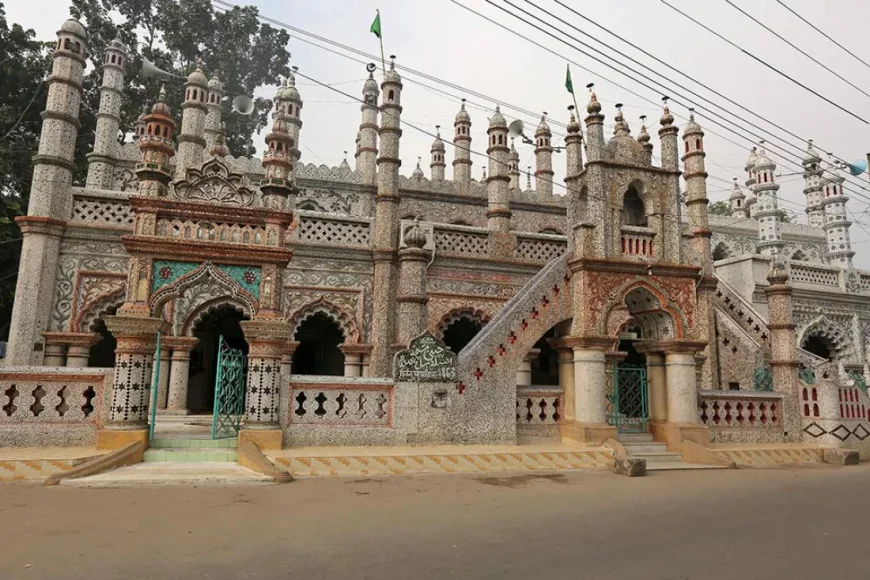
Both inner and outer walls are covered with colourful rocks and ceramic pieces. Photo: Syed Zakir Hossain/DT
The mosque is divided into three sections, constructed during the British period, the Pakistan period and in modern Bangladesh. It has not undergone major renovation since its inception.
In 1920, the first phase of the mosque was paved on the initiative of businessman Haji Hafiz Abdul Karim. Later, Md Mokhtul and Nabi Baksha jointly designed the structure, which was built by hundreds of skilled craftsmen and artisans.
The intricate wall designs—featuring vases, floral motifs, roses, crescents and stars—are particularly admired by visitors. The mosque incorporates 243 pieces of Shankar marble brought from Kolkata. Additionally, around 25 tonnes of porcelain fragments were used alongside stone materials.
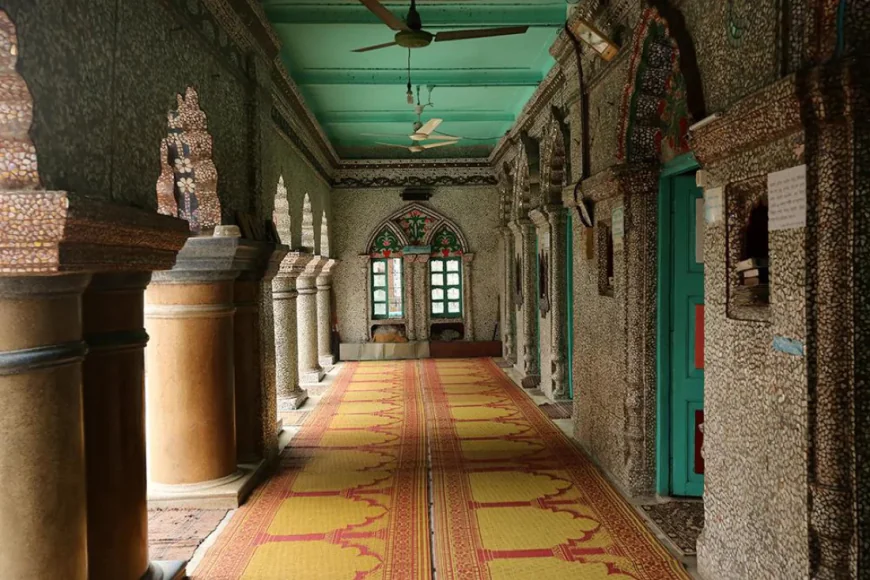
The walls are also decorated with motifs of flowers, leaves and stars and Islamic calligraphy. Photo: Syed Zakir Hossain/DT
According to locals, a gas factory in Bogura donated 25 metric tonnes of porcelain used to decorate the mosque, including its three large domes and 32 minarets.
The mosque is not only a place of worship but also a major tourist attraction. Special arrangements have been made for visitors to stay on the second floor, and large numbers of people visit the site every day.
Fascinating techniques
To decorate Chini Masjid, nearly 300 pieces of cross marble were used, along with approximately 25 tonnes of chinaware and glass fragments. This combination makes it one of the most distinctive examples of architectural craftsmanship in Bangladesh.
Rahimul Haque Afrat, a student at North South University in Dhaka, visited Nilphamari with friends to see the mosque.
“We’re fascinated by the artistry,” he said. “This type of architecture is rare in Bangladesh; it would impress anyone. My friends and I were very impressed—we loved it.”
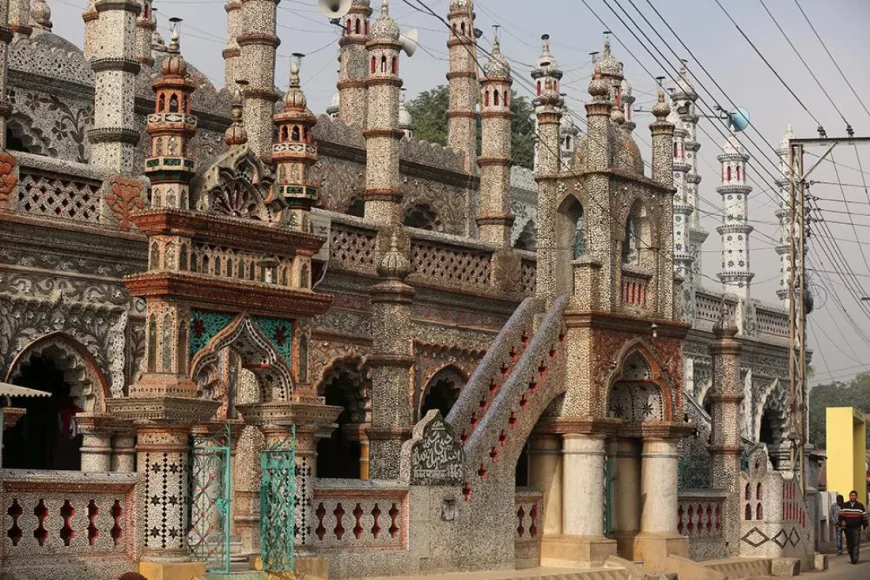
The mosque serves as an embodiment of our rich and diverse heritage. Photo: Syed Zakir Hossain/DT
How to get there
By train
Travelling by rail is a convenient option, as Saidpur is known as a railway town. The Nilsagar Express departs Dhaka at 8:15am and reaches Saidpur at 4:45 pm. The mosque is located about 2km from the railway station.
By bus
Bus services also operate regularly from Gabtoli, Uttara and Kalyanpur in Dhaka to Saidpur.
Alternatively, visitors can travel by air. Biman Bangladesh Airlines, NovoAir and US-Bangla Airlines operate several daily flights on this route.
Buses operate round the clock between Dhaka and Nilphamari. The distance is approximately 364km, and the journey typically takes at least seven hours. Services are available from various terminals in Dhaka, including Mohakhali, Gabtoli and Kalyanpur.
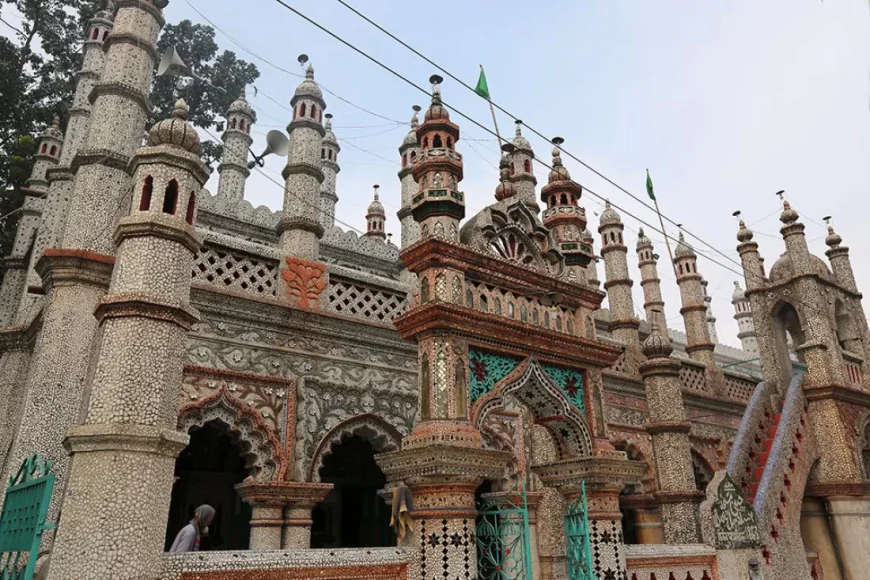
The ceramic pieces were brought from Kolkata since there were no ceramic factories in Bangladesh during the time of its construction. Photo: Syed Zakir Hossain/DT
Where to stay
Accommodation facilities in Nilphamari have improved in recent decades, although standards still vary. Some available options include:
- Akash Residential Hotel (Contact: 0171 22 06070)
- Shihir Residential Hotel (Contact: 01749199189)
- R Rahman Residential Hotel (Contact: 01556501667)
- Navana Rest House (Contact: 0171118823)
- Bonoful Residential Hotel (Contact: 01726759411)
What's Your Reaction?
 Like
0
Like
0
 Dislike
0
Dislike
0
 Love
0
Love
0
 Funny
0
Funny
0
 Wow
0
Wow
0
 Sad
0
Sad
0
 Angry
0
Angry
0

Comments (0)