

India weighs ₹5,000 crore relief plan to support airlines
The proposed plan would provide credit support to airlines under the Emergency Credit Line Guarantee Scheme, with government guarantees covering up to 90 per cent of the loans

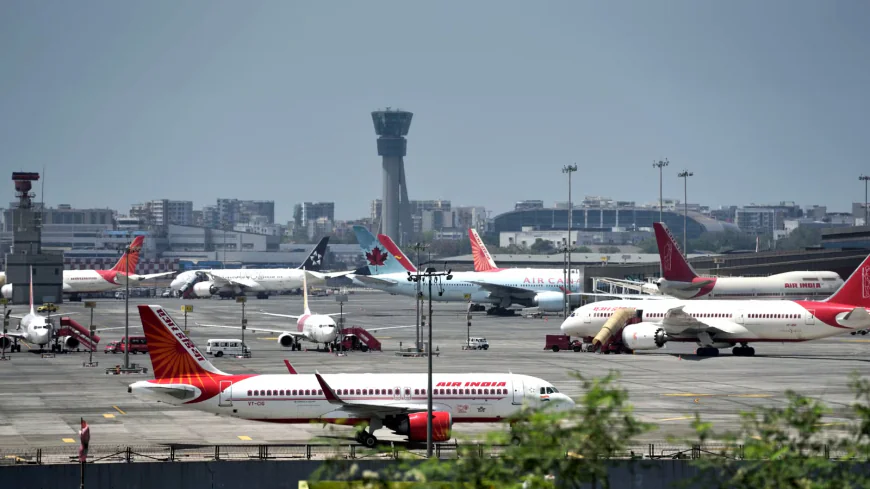
India is considering a ₹5,000 crore financial support package for its aviation sector as global tensions and rising fuel prices continue to strain airline operations.
The proposed plan would provide credit support to airlines under the Emergency Credit Line Guarantee Scheme (ECLGS), with government guarantees covering up to 90 per cent of the loans. Each airline could access funding of up to ₹1,000 crore, helping them manage rising costs and maintain operations during a period of uncertainty, according to Indian media reports.
The move comes as jet fuel prices surge amid geopolitical instability, including tensions involving the United States and Iran. As fuel is one of the largest expenses for airlines, the increase has significantly squeezed profit margins and raised concerns over potential fare hikes.
Officials said the scheme could run for up to five years and may be extended if necessary. It is also part of a broader relief framework reportedly worth around ₹2.5 lakh crore, aimed at supporting multiple sectors affected by global economic pressures.
For airlines, the funding is expected to provide short-term financial relief, allowing them to cover operational costs such as fuel, salaries and maintenance. For passengers, it could help prevent sharp increases in ticket prices.
The government has already introduced measures to ease pressure on carriers, including reducing landing and parking charges at major airports and strengthening regulatory standards through updates by the Directorate General of Civil Aviation.
While the proposal remains under review, analysts say such support could help stabilise the aviation industry in the near term. However, long-term challenges remain, including persistently high fuel prices, debt management and shifting travel demand.
If approved, the plan would signal a proactive approach by the government to protect a key sector that plays a vital role in connectivity, tourism and economic growth.
What's Your Reaction?
 Like
0
Like
0
 Dislike
0
Dislike
0
 Love
0
Love
0
 Funny
0
Funny
0
 Wow
0
Wow
0
 Sad
0
Sad
0
 Angry
0
Angry
0





Comments (0)