

Excessive overtime duty fatigues Biman pilots
Industry insiders say the situation has left many pilots exhausted, increasing concerns that Bangladesh’s aviation sector could face international scrutiny

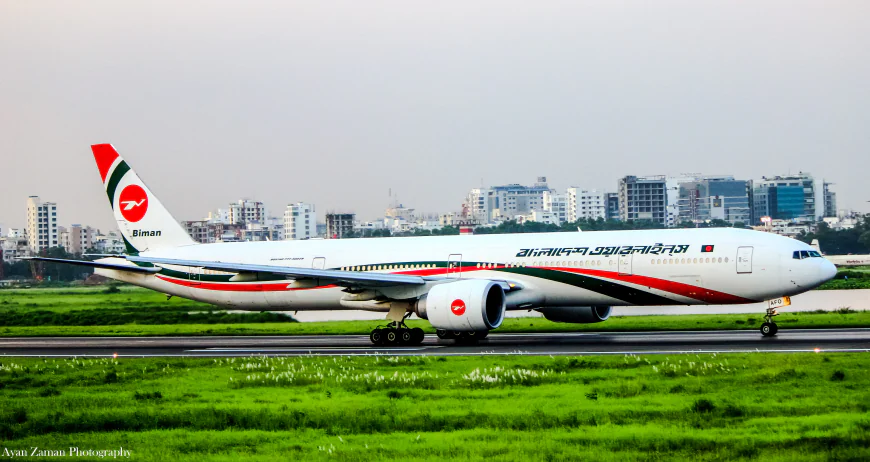
Concerns over aviation safety in Bangladesh are growing amid allegations that pilots of the national carrier, Biman Bangladesh Airlines, are being required to work beyond legally permitted flight duty limits. Experts warn that the practice could endanger passenger safety and harm the country’s reputation in international aviation.
An investigation by Aviation Express reported that more than 500 safety reports submitted by Biman pilots in the past six months regarding excessive duty hours remain unresolved. The reports have raised questions about oversight by both the airline’s management and the Civil Aviation Authority of Bangladesh (CAAB).
Industry insiders say the situation has left many pilots exhausted, increasing concerns that Bangladesh’s aviation sector could face international scrutiny.
Flying beyond limits
Under Bangladesh’s aviation regulations, outlined in Air Navigation Order (ANO) 6-1, pilots are allowed to fly a maximum of 1,000 hours within any consecutive 12-month period.
However, several airline sources told Aviation Express that pilots have been asked to fly up to 1,200 hours annually, with some reportedly exceeding 1,400 hours within a single year. According to crew members, senior airline officials assured them that operations would continue regardless of the regulatory limits.
Pilots who resisted flying beyond the legal threshold allegedly faced threats affecting their career progression, job security and psychological pressure, several crew members said, requesting anonymity.
Safety warnings overlooked
During the past six months, pilots submitted more than 500 internal safety reports warning about duty hour violations and the growing risk of fatigue.
Sources said these reports were filed through the airline’s Safety Management System but failed to prompt any corrective action. Some pilots also reportedly raised the issue directly with CAAB’s flight safety division, including senior regulatory officials, yet no formal investigation was launched.
Aviation experts say ignoring such warnings weakens the Safety Management System framework required under international aviation standards.
“Safety reports are meant to serve as early warning signals,” said a former aviation regulator. “When hundreds of such reports go unanswered, it suggests a serious failure in oversight.”
Health risks and operational concerns
The physical toll on pilots is also becoming evident. Sources within Biman claim that six pilots have suffered heart attacks, two crew members lost consciousness during flights, several pilots required spinal surgery and one pilot became seriously ill while operating an aircraft.
Medical specialists warn that long working hours, irregular sleep patterns and high stress can lead to cardiovascular problems and severe fatigue.
Fatigue can also affect flight safety. Aviation analysts note that exhausted pilots may experience slower reaction times, impaired judgement and reduced situational awareness, all of which increase the likelihood of operational errors.
Regulatory challenges
Bangladesh’s flight duty regulations are largely based on standards of the European Union Aviation Safety Agency (EASA). However, unlike many European aviation systems, Bangladesh does not currently operate a Fatigue Risk Management System — a monitoring framework designed to identify and reduce fatigue-related risks.
Current rules allow pilots to fly up to 120 hours a month and 1,200 hours a year, while cabin crew may work up to 1,100 hours annually. Experts say that without stronger monitoring, these limits could increase safety risks.
International implications
The issue could also affect Bangladesh’s standing in global aviation oversight. Under International Civil Aviation Organization rules, airlines must strictly enforce crew rest and duty limits to manage fatigue.
Persistent violations could raise concerns during the organisation’s Universal Safety Oversight Audit Programme. In serious cases, such findings may lead to operational restrictions, mandatory corrective measures or damage to a country’s aviation reputation.
Calls for urgent action
Officials at Biman said operational pressure, pilot shortages and tight flight schedules have contributed to the problem, particularly on busy domestic and regional routes. Limited reserve crews and last-minute flight changes have also strained operations.
Aviation analysts say the situation requires urgent reforms, including strict enforcement of duty limits, an independent review of the ignored safety reports and the introduction of a Fatigue Risk Management System.
Experts warn that unless the issue is addressed quickly, the safety concerns emerging from the cockpit could undermine Bangladesh’s efforts to expand international aviation and strengthen its global credibility.
Read More: Ratargul Swamp Forest wonders wanderers
Aesthetic architecture of Zahiria Mosque enchants worshippers in Feni
3-day tourism fair to start in Dhaka
Flight cancellations: Airlines incur major financial losses
ME conflict forces cancellation of 300 flights in 9 days: CAAB
Middle East routes resume gradually: CAAB
Malnicherra tea garden emerging as a key tourism destination
Tourism sector faces uncertainty amid escalating Middle East conflict
Ottoman culinary traditions continue to shape iftar meals across South Asia
US suspends immigrant visas for Bangladeshi citizens, effective from January 21
Govt to reopen closed airports before building new ones
Bangladesh in the Eyes of an Indian Traveller
Busting Myths: What It's Like to Travel Across Bangladesh
What's Your Reaction?
 Like
0
Like
0
 Dislike
0
Dislike
0
 Love
0
Love
0
 Funny
0
Funny
0
 Wow
0
Wow
0
 Sad
0
Sad
0
 Angry
0
Angry
0





Comments (0)