

Ottoman culinary traditions continue to shape iftar meals across South Asia
From the bakeries of Istanbul to the streets of Lahore, the rising of dough and the simmering of milk trace a living continuum of faith, migration and empire — showing that food is not merely sustenance but a bridge between cultures

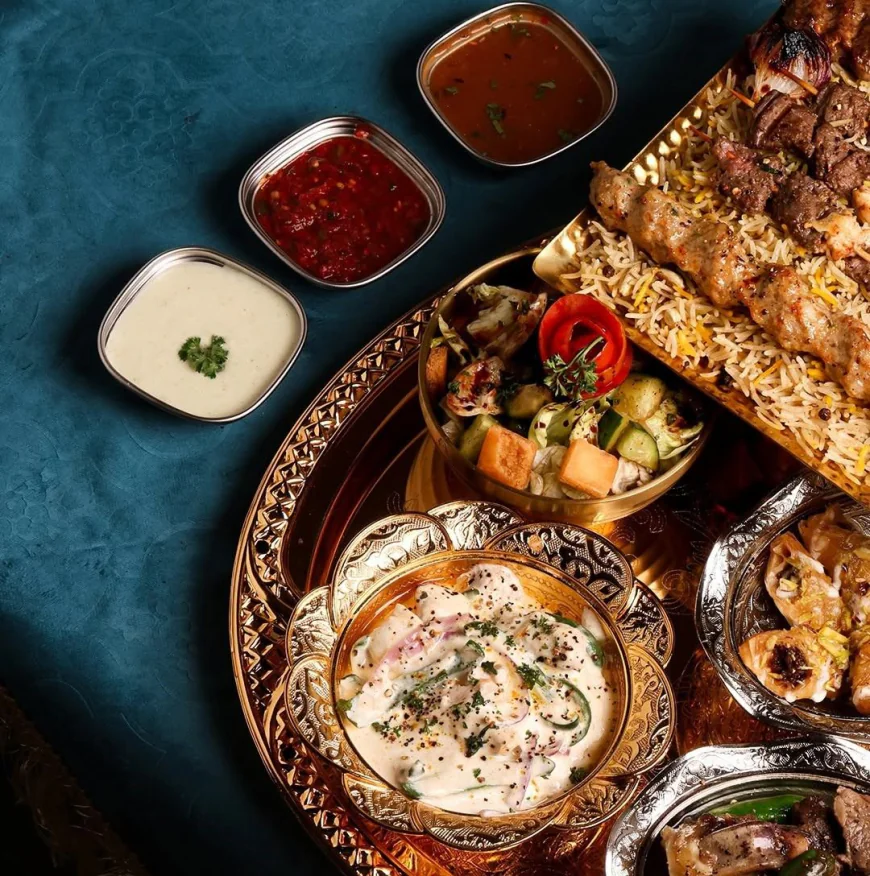
As the call to prayer softens the edge of dusk, kitchens across South Asia quietly transform. Dough rises beneath muslin cloths, milk simmers gently, and dates are split with care.
Hundreds of miles away, along the Bosphorus in Istanbul, families gather outside bakeries for freshly baked Ramazan pidesi, its golden crust marked with a distinctive lattice. Across centuries, these rituals have travelled widely. Ottoman tables featured gullac, thin sheets of wheat soaked in rose-scented milk — echoing South Asian kheer and phirni. Through migration, empire and trade, such dishes crossed borders, adapting to local ingredients and tastes.
Flatbreads once baked in Ottoman ovens now find echoes in South Asian roghni naan and sheermal. Desserts that once trembled in silver bowls in Istanbul resemble phirni in clay dishes in Lahore and Karachi. This continuity reveals how food traditions can travel while retaining traces of their origins.
This shared heritage is explored by food and travel storyteller Hamza Bhatti. Rather than merely documenting dishes, he focuses on the people, places and cultures behind them.
A brand ambassador for GoTürkiye, Bhatti travels widely, capturing bustling bazaars, seaside cafés, historic streets and modern restaurants. His work situates food within architecture, faith and history.
“Whenever I see something like pide or gullac, I think of memory travelling across borders,” he tells TRT World. “When I first tried pide in Türkiye, I immediately thought of roghni naan back home. And gullac, that delicate sweetness, took me straight to kheer and phirni.”
For Bhatti, the resemblance is more than coincidence. Ingredients like flour, milk, sugar and ghee reflect centuries of exchange across regions shaped by trade and empire.
“What fascinates me is not just the similarity in ingredients,” he says. “It is the historical journey behind them.”
He adds: “When we sit down to eat sheermal in Lahore or a dessert in Istanbul, we are participating in centuries of shared history.”
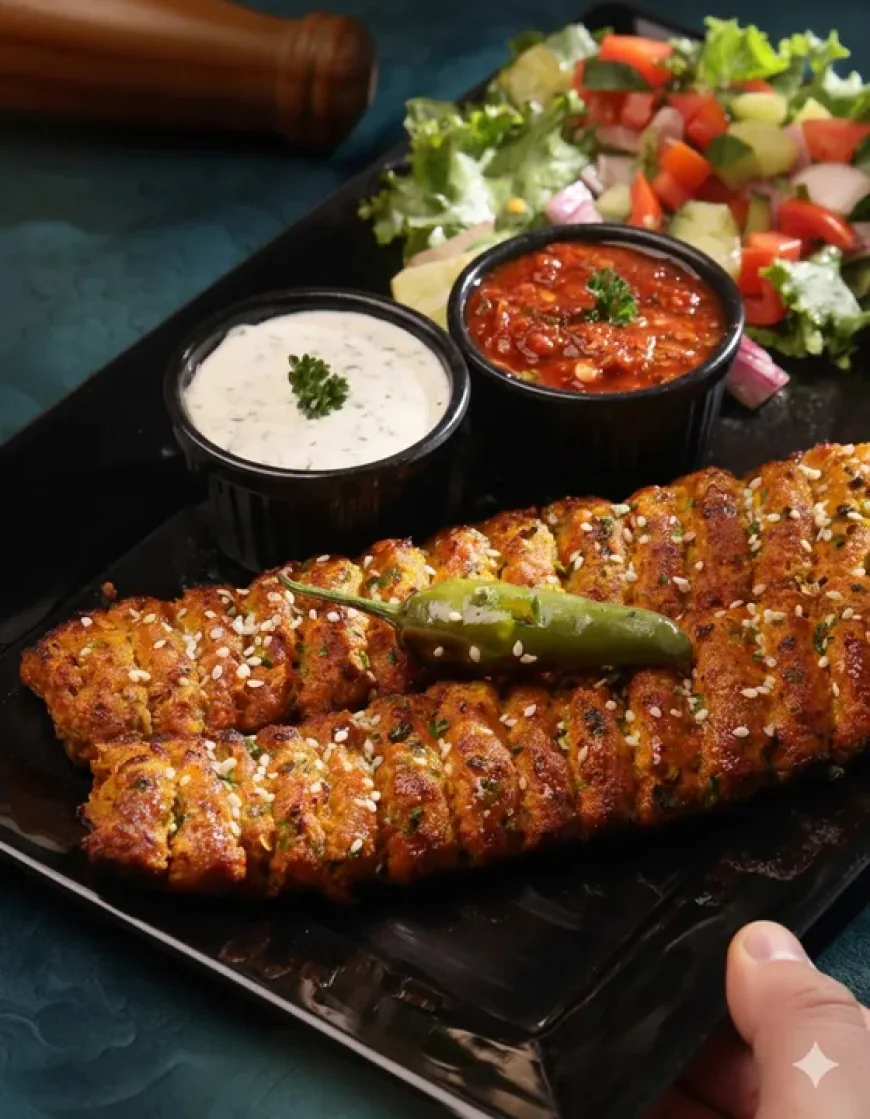
Turkish kebab is far more than grilled meat; it reflects centuries of migration, empire, and regional adaptation [Photo: Istanbul Restaurant]
Not just food
Bhatti’s storytelling rarely focuses on food alone. His videos move seamlessly between street stalls and elegant restaurants, hidden alleyway grills and waterfront cafés.
“For me, food is never just food,” he explains. “Sometimes the dish is the hook, like a street food that catches the eye. But very quickly I become interested in the person behind it — the uncle who has been making the same pide for 30 years, or a family running a kebab shop for generations.”
At other times, the location itself tells the story.
“A seaside town, the call to prayer echoing through narrow streets — suddenly the food feels part of a bigger atmosphere,” he says.
His creative process is instinctive.
“My process is emotional, not formulaic. I ask myself what moved me most in that moment. If it was the taste, I focus on that. If it was the chef’s story, I follow it. If it was the city’s energy, I let the location breathe. The best content happens when all three intersect naturally.”
He stresses cultural immersion is essential.
“You can eat the same dish in a five-star restaurant or in a small alleyway and it will feel completely different because of context. In Istanbul, it was the Bosphorus breeze, the skyline, the tea shared with conversation. In Pakistan, it’s truck art, roadside chai and laughter around a table.”
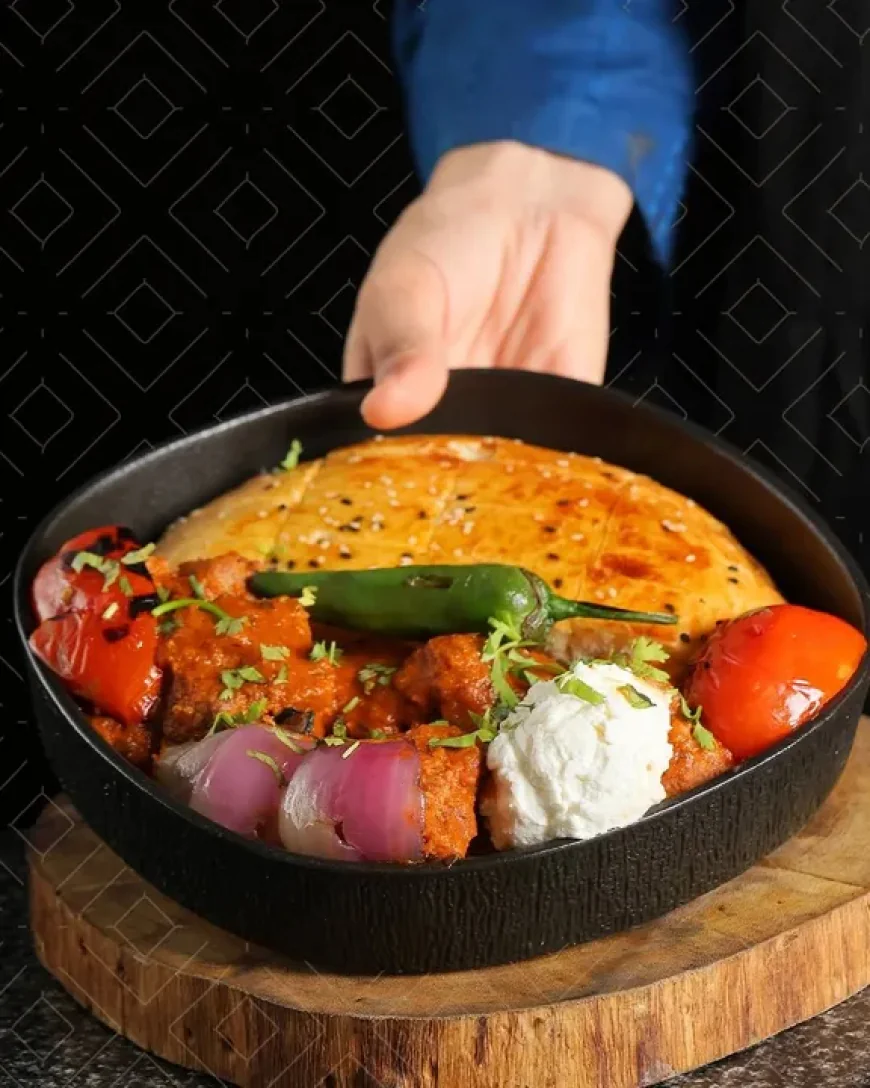
Kebab & Kaymak (Kebab & Malai) with Ramazan Pidesi (Roghni Naan). Photo: Istanbul Restaurant
The food connection
The historical connection between Ottoman and South Asian cuisines is documented by food historian Tarana Husain Khan. While tracing the exact journey of every flatbread into Mughal courts is difficult, the traditions of Rampur — a former North Indian princely state — show centuries of migration and exchange.
Sheermal, a mildly sweet saffron bread, evolved under Persian, Central Asian and South Asian influences. The Rampuri version resembles Afghan roti but differs from the layered, spiced baqarkhani of Awadhi cuisine. Made with refined flour, ghee, milk and sugar, Rampuri sheermal is traditionally thick and soft, often garnished with dried fruit.
Khan draws on 19th-century Persian manuscripts in the Rampur Raza Library, printed Urdu cookbooks, and oral histories from royal kitchen cooks.
“Rampur survived the 1857 Rebellion, so royal tables and their 200-dish spreads persisted into the 1960s,” she says. “The khansamas learned from their grandfathers who cooked in court kitchens. Their memories and recipes form a vital historical record.”
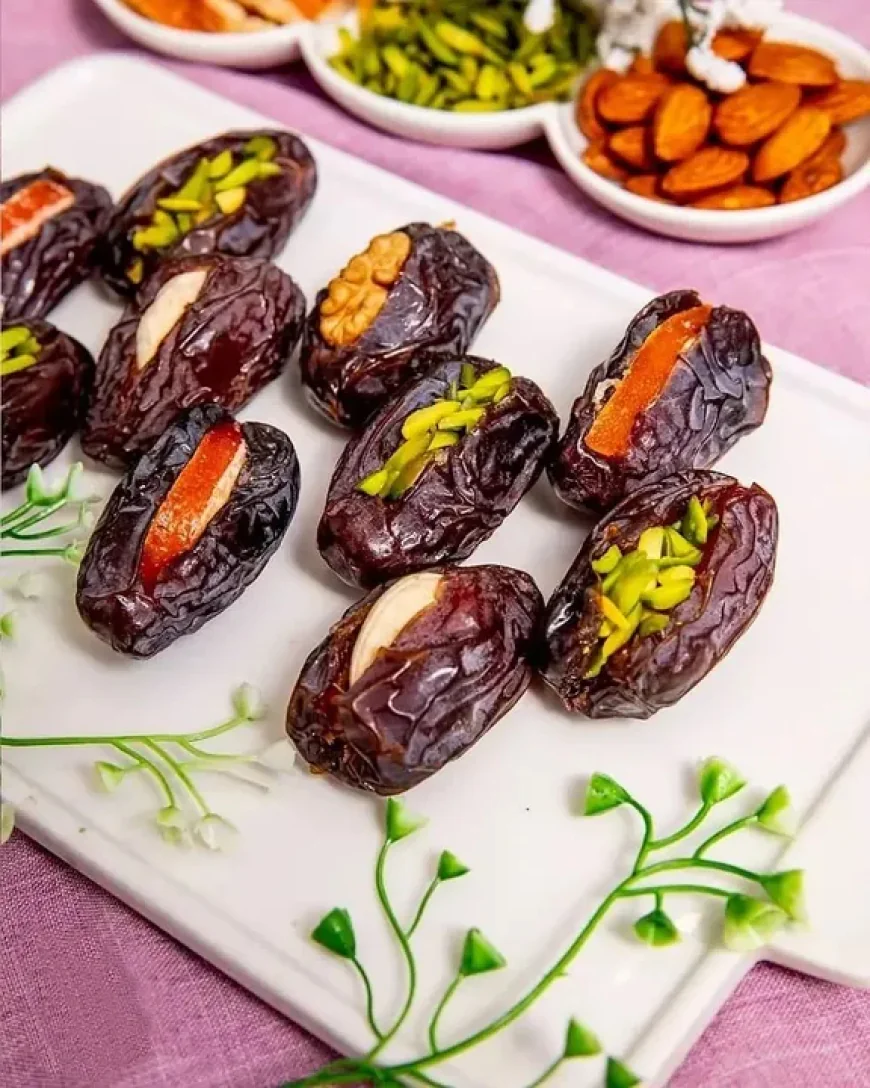
In Turkey, dates stuffed with walnuts and kaymak offer understated luxury at iftar. Photo: Istanbul Restaurant
Adapting recipes
Social media creators also preserve and adapt traditional dishes. Dadi_cooks.ae shares South Asian recipes with a modern twist, highlighting how Ottoman breads transformed locally.
“India is a land rich in dairy,” she says. “Instead of water, dough uses milk and ghee. Spices such as saffron, cardamom and rose water turned simple flatbreads into sheermal and roghni naan.”
The evolution of desserts follows a similar path. Gullac relies on thin wheat sheets soaked in milk, but South Asian phirni and kheer use slow-cooked rice and rich buffalo milk. Sugarcane abundance and slow reduction techniques transformed the dessert into a creamy, comforting pudding, now served year-round in earthen bowls.
Even dates, a Ramadan staple, are adapted differently. In Türkiye, dates are stuffed with walnuts and served with kaymak. In South Asia, they appear in milkshakes, desserts or sheer khurma during Eid.
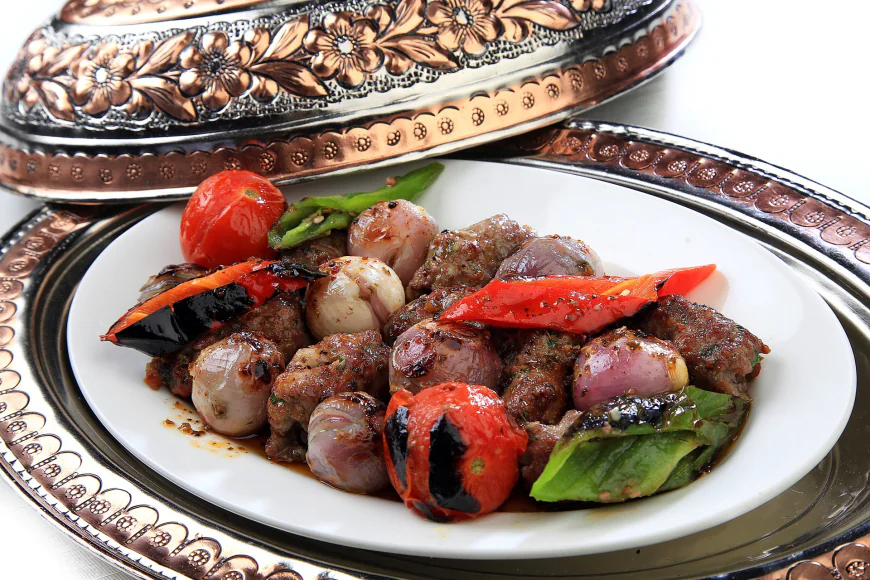
A plate of Palace Kebab, a traditional dish from Ottoman Turkish cuisine, showcasing rich flavors and historical culinary heritage. (Adobe Stock Photo)
Food as cultural memory
Pakistani television chef Rida Aftab stresses the importance of ritual and history.
“Ramazan pidesi is more than bread — it is a ritual,” she says. “Baked fresh at sunset, it carries centuries of Ottoman tradition.”
In South Asian homes, where stone ovens are rare, she advises adaptation rather than replication. Thick oval flatbreads cooked on a heavy tava, brushed with egg wash, and sprinkled with sesame or nigella seeds preserve both flavour and symbolism.
“The lattice pattern, the seeds, the timing at sunset — that’s the soul of the dish,” she says. Preserving history in modern cooking shows is essential. “Without narrative, food becomes content. With it, food becomes continuity, connecting diaspora communities and preserving heritage.”
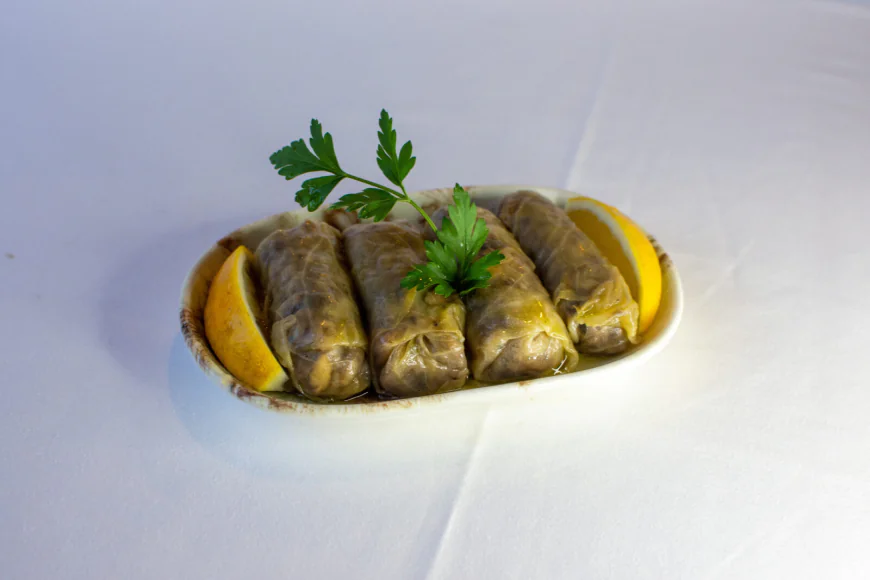
A plate of delicious cabbage rolls, known as Lahana Sarma in Turkish, filled with seasoned rice and meat. Photo: Collected
A shared heritage
Chef Mehboob Khan, known for MasterChef Pakistan, echoes these views.
“Visiting Türkiye showed me how deeply connected food traditions are,” he says. “Our cuisine is layered, shaped by many regions and eras, yet we rarely trace those influences.”
He visited Istanbul, Ankara and Antalya, noting the strong historical depth of Antalya’s food.
“Earlier I believed traditional dishes had to be cooked the same way every time,” he explains. “Now I realise there is always room to reinterpret them. Even a dish like nihari can be cooked in multiple ways.”
For him, culinary tradition is about understanding history, not rigid repetition. During Ramadan, these shared traditions quietly persist on South Asian tables — from saffron-scented breads to milk-rich desserts and the humble date, echoing centuries of connection.
Read More: 405 Bangladeshis return from Dubai on US-Bangla’s second special flight
Biman crew stranded in Dubai brought back by US-Bangla
A US F-15 fighter jet crashes in Kuwait
Two Bangladeshi expatriates killed and seven injured in Middle East conflict
US suspends immigrant visas for Bangladeshi citizens, effective from January 21
Airspace closures cancel 102 flights in 3 days at HSIA
More ME flights axed as misery deepens for stranded passengers
Govt to reopen closed airports before building new ones
Bangladesh in the Eyes of an Indian Traveller
Busting Myths: What It's Like to Travel Across Bangladesh
Why Bangladesh Struggles to Attract Tourists
Bandarban: The Paradise of Nature
How Political Unrest Crushed Bangladesh's Tourism & Aviation Industry
Some Heritage Sites and Monuments of Bangladesh
What's Your Reaction?
 Like
0
Like
0
 Dislike
0
Dislike
0
 Love
0
Love
0
 Funny
0
Funny
0
 Wow
0
Wow
0
 Sad
0
Sad
0
 Angry
0
Angry
0



Comments (0)