

Sajek Valley beckons travellers to a mountain paradise
Read this layman’s guide to this Queen of Hills and its consummate beauty.

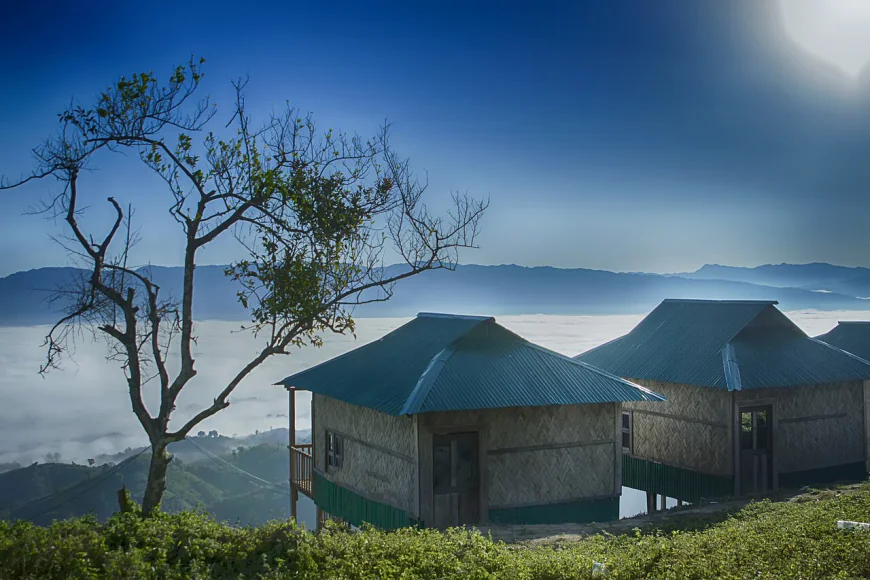
Sajek Valley under the eponymous Sajek Union, located in the remote corners of hill district Rangamati’s Baghaichhari Upazila, is a stunning highland escape famed for its lush vegetation and verdant greenery. It is a place where rafts of clouds drift across emerald peaks, offering a serene blend of vibrant indigenous heritage and untouched natural charm.
Geographical location
Sajek Union, often called the Queen of Hills, is in the northernmost part of Rangamati, bordering India’s Mizoram state. Hanging approximately 1,800 feet above sea level, this extensive union encompasses several villages spread across luxurious hills, offering broad views that have achieved the affectionate title “Queen of Hills” among travellers.
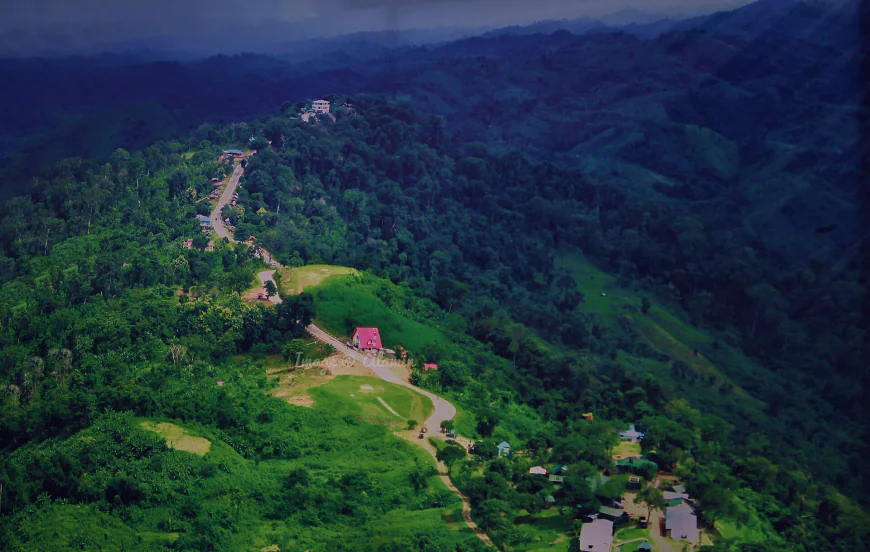
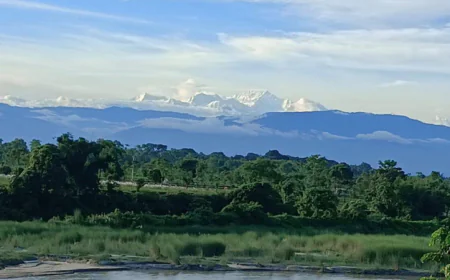
Sajek Valley is an emerging tourist spot in Bangladesh situated among the hills of Kasalong range of mountains in Sajek union, Baghaichhari upazila in Rangamati. Photo: Wikipedia
Indigenous culture and communities
Sajek Union is home to diverse indigenous communities, primarily the Marma, Tripura and Tanchangya peoples, whose rich cultural traditions introduce every aspect of life in the valley. Visitors can experience authentic village life, observe traditional weaving practices, and sample indigenous cuisine prepared with locally grown ingredients.
The communities maintain their distinctive dress, festivals and customs, offering travellers a rare glance into ways of life that they have endured for centuries. Homestay programmes allow visitors to lodge with local families, fostering meaningful cultural exchange while providing economic benefits directly to residents.
Natural attractions
The valley's crown jewel is its breathtaking viewpoint, where visitors gather at sunrise to watch the sun emerge from behind hills covered in morning mist. Layers of blue-green mountains stretch toward the horizon, with clouds often floating below observation points—a dreamlike experience unique to this elevated landscape.
Beyond the main viewpoint, Sajek offers numerous trekking routes through forests and hills, leading to hidden waterfalls, crystal-clear streams and isolated villages. Popular destinations include Ruijlui (Konglak Haphong), one of Bangladesh’s highest peaks, and the scenic Debotak (Lushai) hills bordering Myanmar.
The region’s biodiversity increases another dimension to its appeal. Dense forests harbour diverse flora and fauna, including numerous bird species that attract nature enthusiasts and birdwatchers throughout the year.
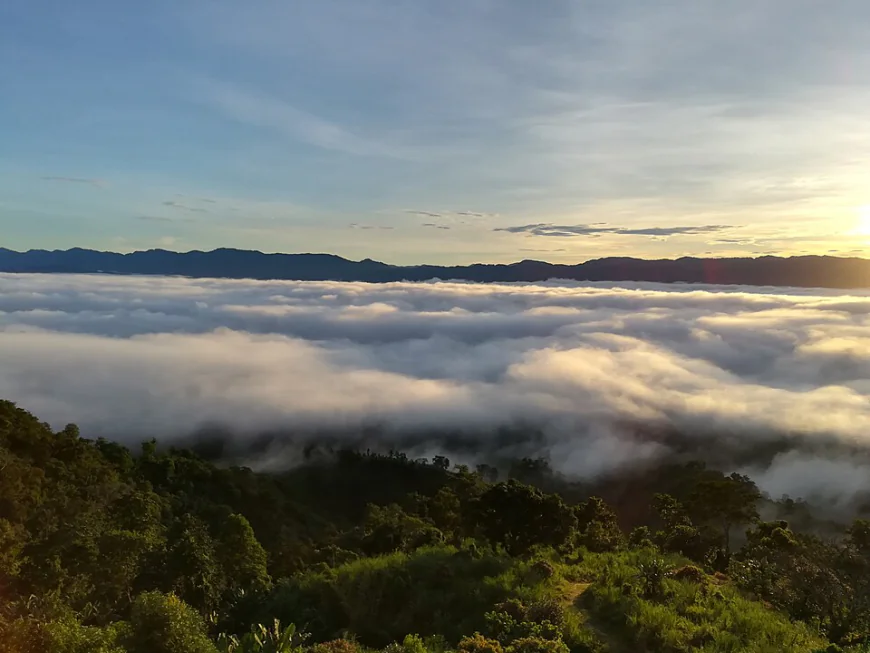
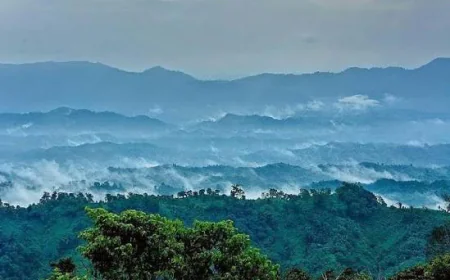
A mesmerising eye-soothing view of the valley. Photo: Wikipedia
Tourism infrastructure
In recent years, Sajek has witnessed significant tourism development. Numerous resorts, eco-cottages, and viewpoints have emerged, catering to the growing influx of domestic travellers. The iconic “Sajek Hanging Bridge” has become a favourite photography spot, offering sweeping valley views.
Local markets sell traditional handicrafts, woven fabrics, and organic produce, allowing visitors to take home authentic souvenirs while supporting the local economy. During peak seasons, the valley hosts cultural programmes showcasing indigenous music and dance.
Visitor experience
The best time to visit Sajek is during the dry months from October to March, when clear skies offer uninterrupted mountain views. The monsoon season transforms the landscape into a lush green paradise but brings slippery roads and limited visibility.
Travellers advise booking accommodation in advance during holidays and weekends, when the valley draws large crowds. Responsible tourism practices, including respecting local customs and minimising environmental impact, are encouraged to preserve the valley’s pristine character.
Challenges and conservation
Sajek’s growing popularity presents challenges. Unplanned construction, waste management issues, and environmental degradation threaten the very beauty that attracts visitors. Local authorities and community leaders are working to promote sustainable tourism practices that balance development with conservation.
Infrastructure improvements, including road upgrades and better utility services, remain ongoing priorities to enhance visitor experience while protecting the region’s ecological integrity.
A peerless escape
For Bangladeshi travellers seeking escape from the heat and congestion of the plains, Sajek Union offers a mountain sanctuary unlike any other in the country. Its combination of stunning landscapes, rich indigenous culture, and adventurous accessibility creates an experience that lingers long after visitors reach from the clouds.
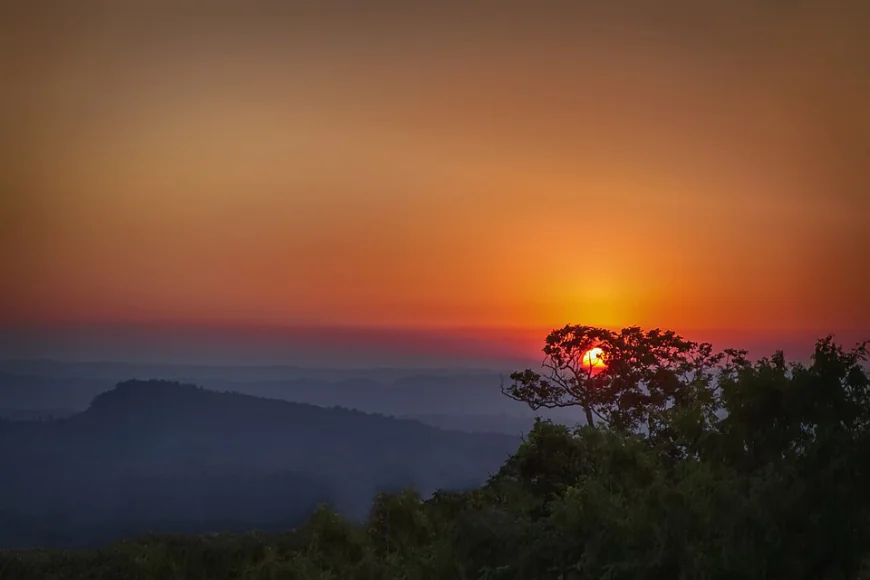
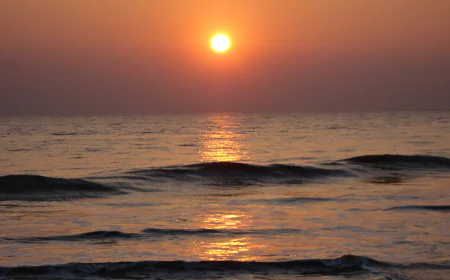
Sunrise seen from the Helipad at Sajek Valley. Photo: Wikipedia
Way to go
The journey to Sajek itself is an adventure. Visitors typically travel by road to Khagrachhari or Rangamati town, then embark on a thrilling jeep ride through winding mountain roads, crossing rugged terrain and multiple suspension bridges before reaching the valley. The challenging access only adds to the destination's mystique and appeal.
Though Sajek is in the Rangamati district, it is much easier to travel with Dighinalala of Khagrachhari district. So, first you have to come to Khagrachhari. If you want to go to Khagrachhari from Dhaka, you can go by Saudia, Shyamoli, Shanti, S Alam and Eagle bus services. It will cost you nearly Tk 520 on the Non-AC bus. If you want to go to the AC bus, you will find BRTC or Saint Martin Paribahan with Tk 700-900. Besides, Shanti Paribahan goes directly to Dighinala and it takes only Tk 580.
There are counters of these buses at various points of the city, including Gabtali and Kalabagan in Dhaka. If you want to go on holiday, it may be difficult to get a ticket if you do not buy the ticket before.
The distance between Khagrachhari and Sajek is about 70 kilometre. You can visit Sajek Valley by reserving Jeep Gari/Chander Gari from Khagrachhari. It will cost you Tk 8,000-10,000 with the return fare. It is perfect for 12-15 people. But if you are in a small group, then join with another group to reduce the cost. If it is not possible to find any other group, then you can take CNG. It will cost you Tk 4,000-5,000. However, it is better not to travel by CNG as the road is very wavy.
Read More: ME conflict forces cancellation of 300 flights in 9 days: CAAB
Middle East routes resume gradually: CAAB
Malnicherra tea garden emerging as a key tourism destination
Mughal-era marvel Ghaghra Khan Bari Jame Mosque in Sherpur
Tourism sector faces uncertainty amid escalating Middle East conflict
Ottoman culinary traditions continue to shape iftar meals across South Asia
405 Bangladeshis return from Dubai on US-Bangla’s second special flight
US suspends immigrant visas for Bangladeshi citizens, effective from January 21
Govt to reopen closed airports before building new ones
Bangladesh in the Eyes of an Indian Traveller
Busting Myths: What It's Like to Travel Across Bangladesh
Why Bangladesh Struggles to Attract Tourists
Bandarban: The Paradise of Nature
How Political Unrest Crushed Bangladesh's Tourism & Aviation Industry
Some Heritage Sites and Monuments of Bangladesh
What's Your Reaction?
 Like
0
Like
0
 Dislike
0
Dislike
0
 Love
0
Love
0
 Funny
0
Funny
0
 Wow
0
Wow
0
 Sad
0
Sad
0
 Angry
0
Angry
0
Comments (0)