

Brahmanbaria travels in mists of history, natural beauty
The best time to visit Brahmanbaria is from November to February when the weather is pleasant

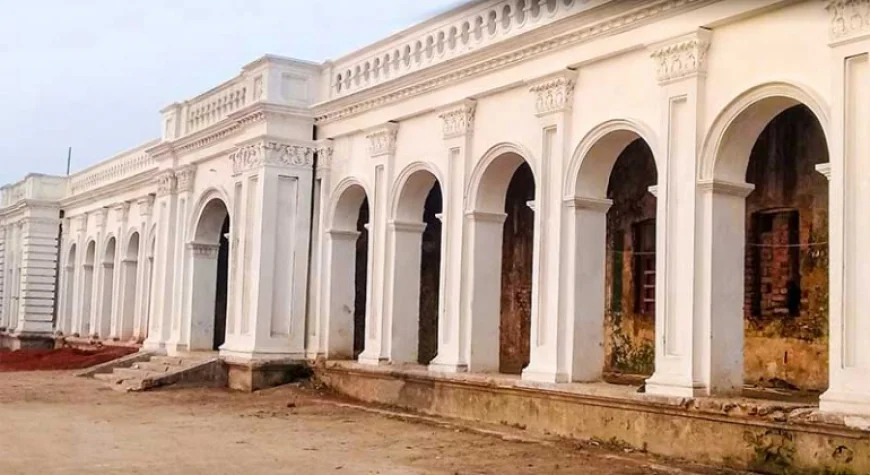
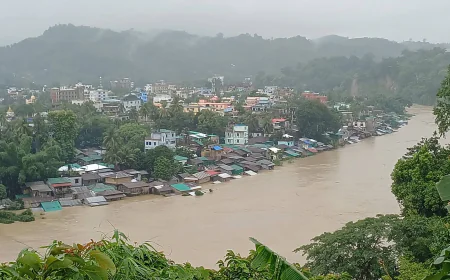
Brahmanbaria is an emerging tourist destination in eastern Bangladesh, offering a unique blend of archaeological treasures, historic landmarks and serene riverine landscapes. Located on the banks of the Titas, this district has long been a river port and is one of the country’s oldest municipalities. Brahmanbaria was declared a district in 1984. Brahmanbaria, which shares border with Indian state of Tripura, boasts of possessing the country’s largest gas field.
Historical attractions
The main attraction of Brahmanbaria’s heritage is the magnificent Haripur Zamindar Bari in Nasirnagar upazila (sub-district). Built in 19th century by zamindars Gouriprasad and Krishnaprasad Roy Chowdhury, this palace once spanned over five acres and featured nearly 60 rooms, including a music hall, dance chamber, court hall, and treasury—built entirely without a single rod of iron. Sited on the eastern bank of the Titas, it was declared an archaeological heritage site by the government in 2018.
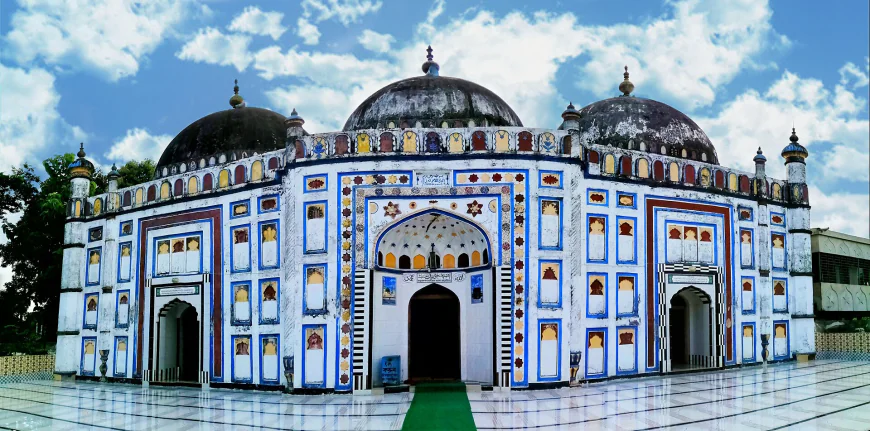
Arifil Mosque
Arifil Mosque in Sarail upazila, built in 1662, showcases exquisite Mughal architecture blending Bengali, Persian and Islamic influences. The mosque was constructed by Shah Arif. There are unknown tombs located near the mosque, supposedly the wives of Isa Khan.
Kharampur Mazar Sharif
Kharampur Mazar Sharif is a mausoleum complex in Akhaura, which attracts hundreds of visitors. It contains the tomb of Syed Ahmad Gesudaraz, a 14th-century Islamic preacher who took part in the Conquest of Sylhet before settling in Kharampur where he was martyred.
Hatirpul
Hatirpul, an elephant bridge, was built by Shahbaz Khan in 1650 for the passage of elephants. It was a bridge built over the canal mainly for elephant pass. The Mughal dewans used to communicate by the elephant in this road and took rest near this bridge.
Haripur Barabari
The 18th century Haripur Barabari was a residential palace located in Nasirnagar and many movies have been filmed there. The India-Bangladesh Border Haat located in Kasba is a weekly marketplace and allows communication with the people of the neighbouring country. Sports fans assemble at the Niaz Mohammad Stadium which was constructed in 1934.
Natural wonders
Dharanti Haor, a vast wetland between the Meghna and Titas rivers, offers breathtaking views, especially during sunset. The Titas River itself, immortalised in Bengali literature, provides excellent opportunities for boat trips and riverside photography.
Other notable sites
The Kal Bhairab Temple in Medda village features a 28-foot statue of Shiva, believed to be the largest in the world. History buffs should visit the Tomb of Bir Shrestha Mostafa Kamal in Akhaura, honoring a valiant freedom fighter of the 1971 Liberation War.
Travel information
The best time to visit Brahmanbaria is from November to February when the weather is pleasant. Visitors can reach the district by train from Dhaka's Kamalapur Station or by bus via the Dhaka-Sylhet highway. Local transport includes CNG auto-rickshaws and rickshaws. While accommodation options remain limited, the district offers an authentic glimpse into rural Bangladeshi life and culture.
Way to go from Dhaka
You can travel from Dhaka to Brahmanbaria by train, bus, or private car. The most popular option is the train, as it is fast and affordable. Multiple Intercity trains, including Parabat Express (6:30 AM) and Mahanagar Provati (7:45 AM), depart from Kamalapur Railway Station and take about 2 hours to reach Brahmanbaria. The Titas Commuter is a budget-friendly alternative but takes longer.
If travelling by road, you can drive via the Dhaka-Sylhet highway (N2). The distance is approximately 100-110 km, and the journey typically takes 2 to 2.5 hours depending on traffic. Buses are available from several terminals in Dhaka, offering an economic option.
What's Your Reaction?
 Like
0
Like
0
 Dislike
0
Dislike
0
 Love
0
Love
0
 Funny
0
Funny
0
 Wow
0
Wow
0
 Sad
0
Sad
0
 Angry
0
Angry
0
Comments (0)