Reign of 3 drinks in Dhaka: Lassi, borhani and matha
Alongside rich dishes, the people of Dhaka often pause for a cold, refreshing sip—sometimes the sweet softness of lassi, the cool saltiness of matha, or the spicy royal touch of borhani
 Tariq Al Banna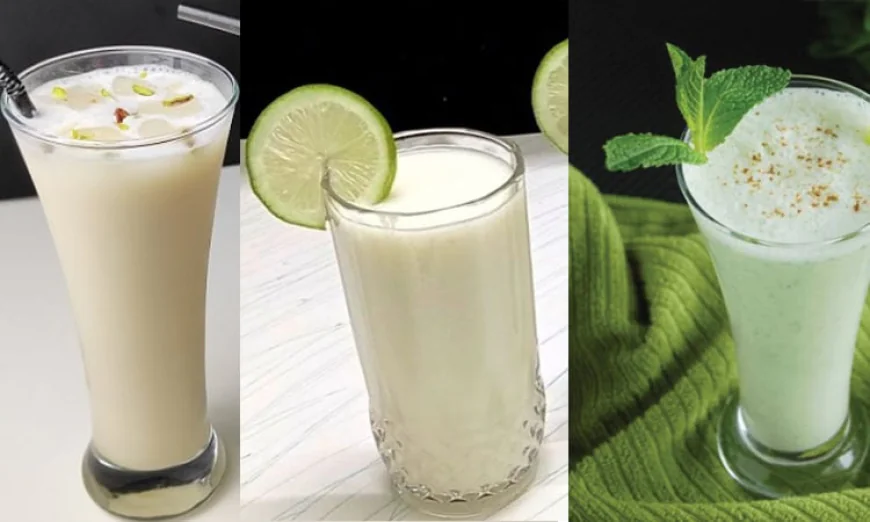
Dhaka’s food stories are abuzz with colourful myths, filled with the aromas of history and taste. Every alley and shop hums with the city’s vibrant food culture. Alongside rich dishes, the people of Dhaka often pause for a cold, refreshing sip—sometimes the sweet softness of lassi, the cool saltiness of matha, or the spicy royal touch of borhani.
The reign of the famous 'Beauty Lassi' has lasted almost a century on Johnson Road in Old Dhaka. Here, cold, sweet-iced lassi is made from hand-prepared yogurt and sugar syrup. At dawn, the aroma of matha and chhana (cheese) drifts along the streets of Nazirabazar. Meanwhile, borhani—a spiced yoghurt drink with roots in Mughal era—remains a royal accompaniment to wedding feasts and traditional dishes like pulao, biryani and kebab. From elite hotels to Old Dhaka biryani shops, borhani is indispensable.
These drinks are more than refreshments; they are cultural icons intertwined with social life. At weddings, on Eid or on a hot afternoon, a glass of lassi, matha or borhani carries the legacy of recipes, generations of shops and memories in every sip, forming an inseparable part of Dhaka’s culinary heritage.
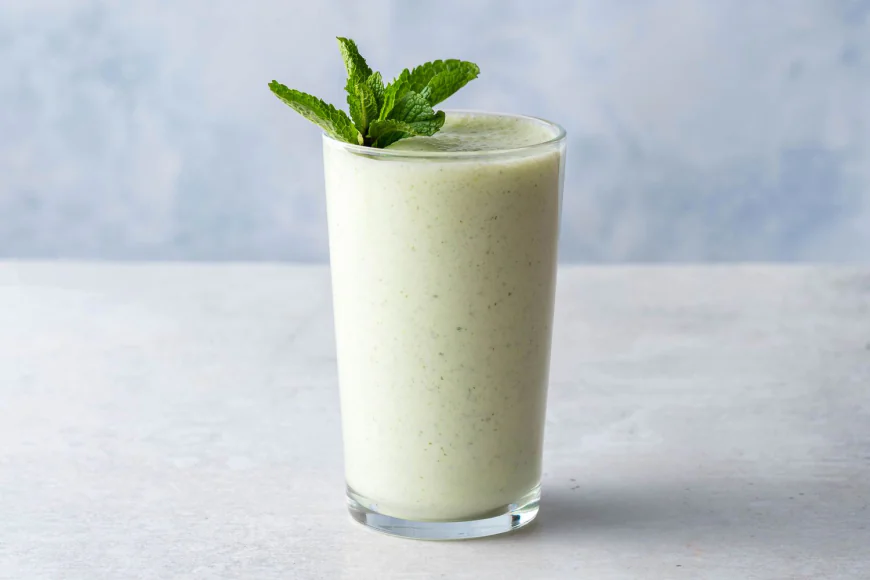
Every sip of a glass of cold mint lassi on a hot afternoon forms an inseparable part of Dhaka’s culinary heritage. Photo: Collected
Lassi
Though much has changed in the city of “52 Bazaars and 53 Lanes” over the centuries, Beauty Lassi continues to quench the thirst of Old Dhaka residents as it always has.
From Gulistan to Tantibazar, and Raisahebbazar to Victoria Park, a simple sign reads “Beauty Lassi.” Inside, rows of glasses line the counter while staff perform the ceremonial preparation of lassi and sharbat. Hundreds of people sit, enjoying their drinks.
Founded in 1922 by construction worker Abdul Aziz as a small makeshift shop on 30/A Johnson Road, the business passed to Abdul Gaffar Mia after his father’s death, and later to his sons Javed Hossain and Manik. Initially selling lemonade, the shop now offers lassi, lemonade, faluda, and special faluda, with the latter added in 2000. Today, Beauty Lassi has branches on Narinda and Kazi Alauddin Road as well.
The lassi is still made by hand, without modern technology, using a traditional tool called dal ghutni. Sweet and sour curd is brought in clay pots, then blended with crushed ice, sugar syrup, water, and rose water. A glass costs Tk 50, ordinary faluda Tk 100, special faluda Tk 130 and lemonade Tk 20.
Moslem Uddin from Chattogram said, “I have tried lassi in many places, but the taste here is unmatched. I visit Dhaka two or three times a month and always drink it. The taste is the same as five or six years ago.” Lawyer Nirob Hasan added, “I come here to escape the heat. The faluda and lassi are incomparable.”
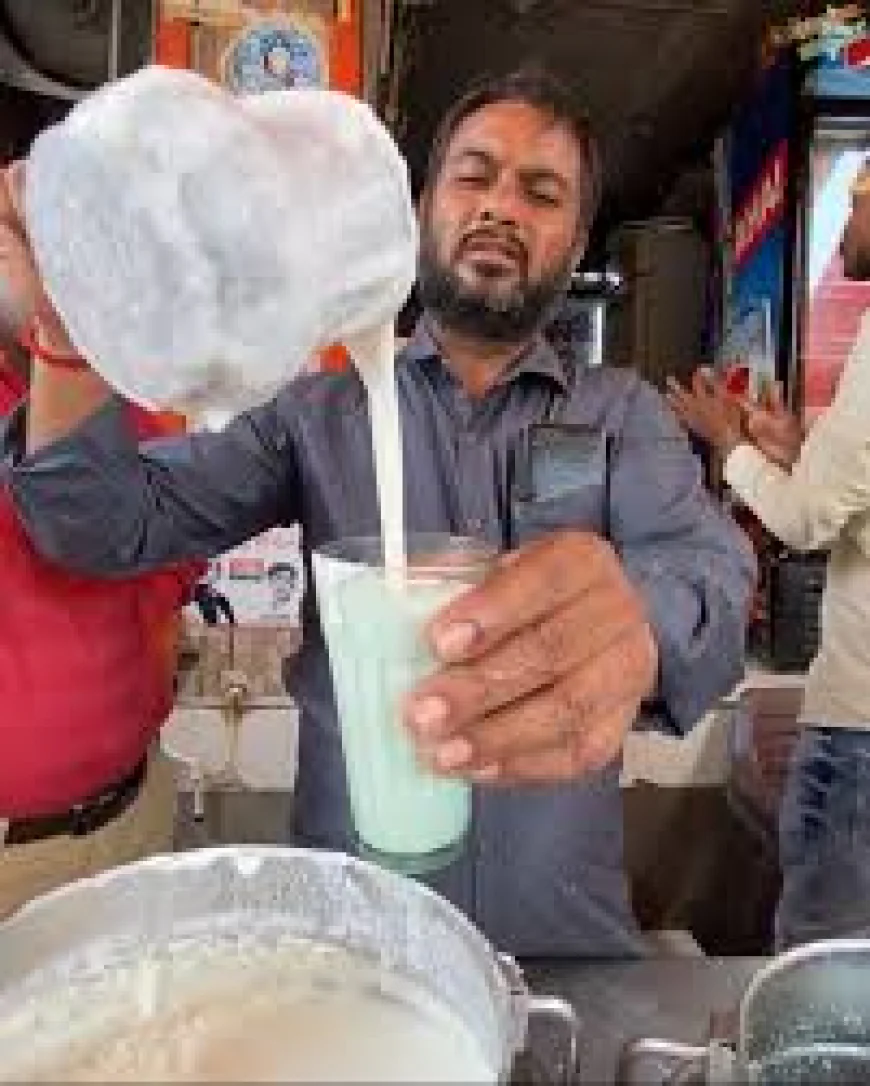
A vendor prepares matha for a customer at Jognson Road in Old Dhaka. Photo: Wikipedia
Matha
Mornings in much of Old Dhaka are calm, a sharp contrast to the city’s usual chaos. During these hours, the streets are empty, shops are closed and even rickshaws are scarce.
At this quiet time, vendors like Ratan Ghosh arrive at Laxmibazar with buckets and supplies to sell matha and chhana. As dawn breaks, a few rickshaws and cars appear, along with early customers.
Nurul Karim, an office worker, said, “I drink matha almost every morning. It keeps me cool and is healthy. Eating chhana with it is a habit now.” “I used to drink matha with my father on the way to school. Even now, it keeps me energized in the morning,” added Jagannath University student Niloy Akon.
Shyamal Ghosh has sold matha and channa at Nazirabazar for 38 years. His customers range from the Dhaka mayor to former US ambassador Robert Miller. During Ramadan, no Muslim household in the area misses his matha. Initially sold at Tk 2 per glass, it now costs Tk 30. Sales run from 6 am to 9 am, often exceeding 100 litres daily.
Sajedul Islam, a local businessman, said, “This is the best matha in Dhaka. I drink it every morning before opening my shop and sometimes bring it home for my family.” Shyamal Ghosh explained that quality is key: “Even before the US ambassador visited, medical teams tested my matha. I have maintained its quality from the start, which is why people keep coming.”
For a taste of authentic Old Dhaka matha, mornings are essential. Vendors also operate in Chawkbazar, Nazimuddin Road, Lalbagh, Amligola, Nawabpur, Narinda and Islampur.
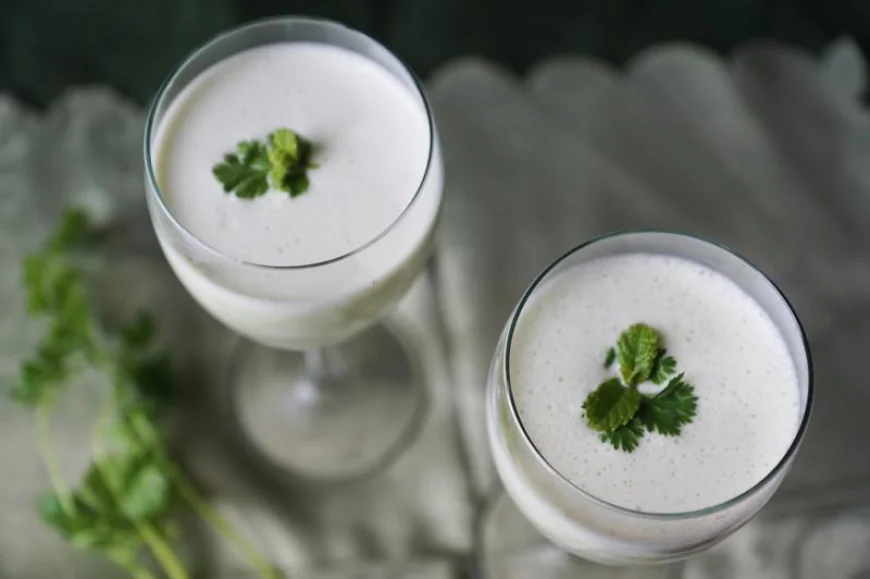
The traditional drink of borhani is served at weddings, Eid, and festive occasions as a cultural ritual linked to grand meals. Photo: Wikipedia
Borhani
Borhani is a traditional drink, especially popular in Bangladesh and West Bengal, served at weddings, Eid, and festive occasions. It is not only a drink but also a cultural ritual linked to grand meals.
Though its exact origin is uncertain, many believe borhani dates to Mughal period. The Mughals brought rich cuisine and the concept of spiced, aromatic drinks. Borhani likely evolved to cool the body and aid digestion after heavy, oily, spice-laden meals.
Today, borhani is a staple from elite hotels to street biryani shops, as well as catering services and online food delivery. It is made with sour curd, water, cumin, black pepper, beet salt, chaat masala, mint, mustard, green chillies, and lemon juice. Each family or restaurant in Old Dhaka has its own secret recipe, creating unique flavours that draw food enthusiasts from across the city.
Banker Mohammad Rashed said, “At a wedding, I first check if borhani is served. Pulao and kebab taste complete only with a glass of cold borhani. The taste in Old Dhaka feels authentic.” Teacher Sharmin Akhter added, “I grew up drinking borhani at home. Now I make it for family functions. Guests always enjoy it and often ask for the recipe.”
Socially, borhani symbolises hospitality. At wedding tables or Eid lunches, it not only quenches thirst but also evokes memories, joy and a sense of togetherness.
Dhaka’s lassi, matha and borhani are more than beverages. They are cultural markers, carrying centuries of history, tradition and community life. From early mornings in Nazirabazar to festive tables of elite homes, these drinks keep the city’s taste and memory alive—one sip at a time.
Read More: 3-day tourism fair to start in Dhaka
Flight cancellations: Airlines incur major financial losses
ME conflict forces cancellation of 300 flights in 9 days: CAAB
Middle East routes resume gradually: CAAB
Malnicherra tea garden emerging as a key tourism destination
Tourism sector faces uncertainty amid escalating Middle East conflict
Ottoman culinary traditions continue to shape iftar meals across South Asia
US suspends immigrant visas for Bangladeshi citizens, effective from January 21
Govt to reopen closed airports before building new ones
Bangladesh in the Eyes of an Indian Traveller
Busting Myths: What It's Like to Travel Across Bangladesh