

Airlines hike fares as Middle East conflict sends oil prices soaring
Jet fuel, which traded at $85–90 per barrel before the crisis, has recently spiked to $150–200 per barrel, forcing airlines worldwide to reconsider pricing and operations

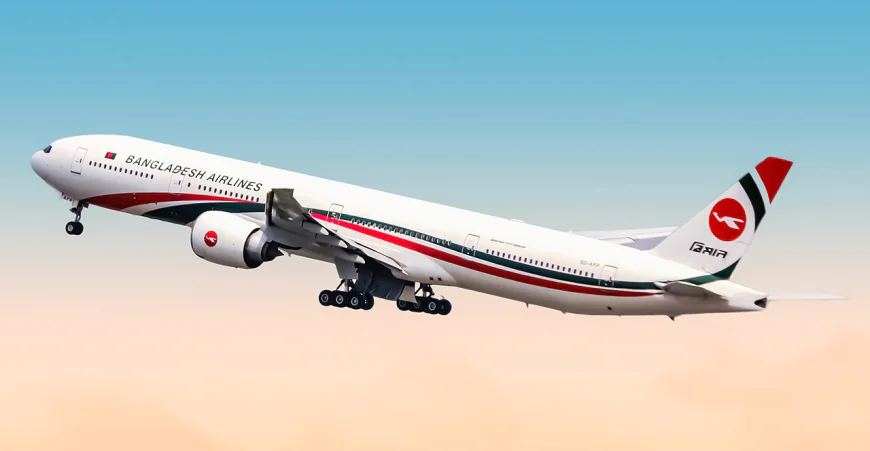
Airlines across the globe are passing on the cost of surging fuel prices to passengers as the US-Israel conflict with Iran continues to disrupt oil markets and airspace, reports Reuters.
Air New Zealand announced on Tuesday that it has raised fares across all routes, citing sharply higher jet fuel costs. One-way economy tickets now cost NZ$10 more on domestic flights, NZ$20 extra on short-haul international routes, and NZ$90 more on long-haul journeys. The carrier also suspended its 2026 financial outlook due to uncertainty over the conflict.
Jet fuel, which traded at $85–90 per barrel before the crisis, has recently spiked to $150–200 per barrel, forcing airlines worldwide to reconsider pricing and operations. “If the conflict leads to continued elevated jet fuel costs, we may need to take further pricing action and adjust our network as required,” Air New Zealand said.
Regional impact
Vietnam Airlines requested the removal of an environmental tax on jet fuel to help maintain operations. Operating costs for Vietnamese carriers have risen 60–70%, and fuel suppliers are struggling to meet demand.
Airlines such as Emirates, Qatar Airways, and Etihad normally carry a large share of Europe–Asia and Europe–Pacific passengers, but route disruptions and airspace closures are forcing detours and capacity adjustments.
Shares recover after selloff
Asian airline stocks stabilised after initial losses. Air New Zealand rose 2%, Korean Air Lines gained 8%, Qantas Airways climbed 1.5%, and Cathay Pacific jumped more than 4%. The rebound followed comments from US President Donald Trump suggesting the war could end soon, which briefly pushed oil prices down from $119 to $90 per barrel.
Travel industry bracing for impact
High fuel costs and airspace closures are forcing travellers to rethink plans. South Korea’s HanaTour is cancelling Middle East-related group tours for March, while Thailand’s Ministry of Tourism warned that an eight-week conflict could cost the country 595,974 tourists and 40.9 billion baht ($1.29 billion) in revenue.
Fuel remains the second-largest expense for airlines after labour, accounting for 20–25% of operating costs. While some carriers hedge against oil price spikes, many US airlines have largely stopped this practice over the past two decades, leaving them more exposed to sudden shocks.
As oil prices remain volatile, global passengers may face higher fares, rerouted flights, and growing uncertainty in travel schedules for the foreseeable future.
Read More: 3-day tourism fair to start in Dhaka
Flight cancellations: Airlines incur major financial losses
ME conflict forces cancellation of 300 flights in 9 days: CAAB
Middle East routes resume gradually: CAAB
Malnicherra tea garden emerging as a key tourism destination
Tourism sector faces uncertainty amid escalating Middle East conflict
Ottoman culinary traditions continue to shape iftar meals across South Asia
US suspends immigrant visas for Bangladeshi citizens, effective from January 21
Govt to reopen closed airports before building new ones
Bangladesh in the Eyes of an Indian Traveller
Busting Myths: What It's Like to Travel Across Bangladesh
What's Your Reaction?
 Like
0
Like
0
 Dislike
0
Dislike
0
 Love
0
Love
0
 Funny
0
Funny
0
 Wow
0
Wow
0
 Sad
0
Sad
0
 Angry
0
Angry
0




Comments (0)