

ME conflict incurs $15–16m loss to aviation, hospitality sectors
The Gulf region is a key destination for Bangladeshi travellers, particularly migrant workers. As flights are cancelled or delayed due to security concerns, the impact is spreading across airlines, airports, hotels and associated services

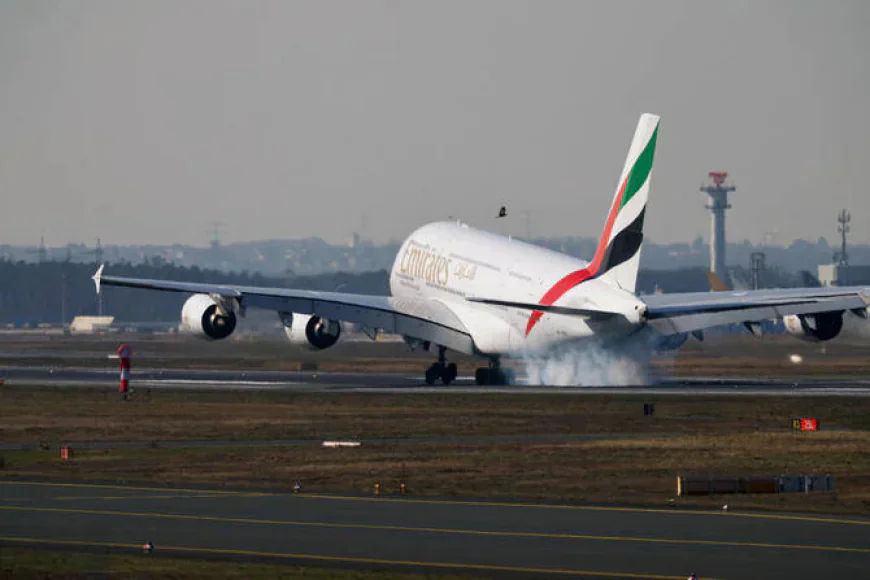
The ongoing conflict in the Middle East is dealing a growing economic blow to Bangladesh’s aviation and travel-related industries, as widespread flight suspensions disrupt one of the country’s busiest air corridors.
The Gulf region is a key destination for Bangladeshi travellers, particularly migrant workers. As flights are cancelled or delayed due to security concerns, the impact is spreading across airlines, airports, hotels and associated services, reports The Bangladesh Monitor.
According to the Civil Aviation Authority of Bangladesh (CAAB), 447 flights between Dhaka and Middle Eastern destinations had been cancelled as of 13 March. The figure is expected to rise to around 500 by 15 March as airlines continue to revise schedules.
The disruption is hitting both CAAB and national carrier Biman Bangladesh Airlines, which rely heavily on international operations for revenue.
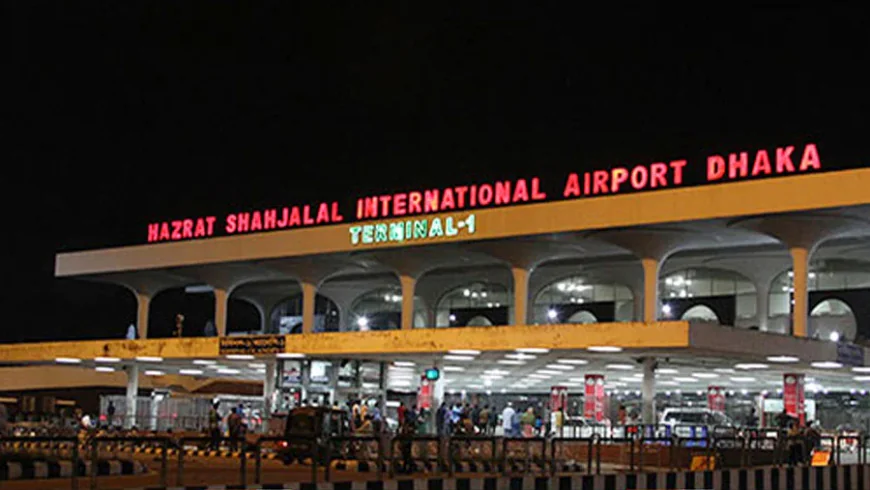
A file photo of Hazrat Shahjalal International Airport in Dhaka.
Revenue losses from airport operations
Each international flight generates multiple income streams, including landing and parking fees, navigation charges, passenger service fees, security charges and ground handling services.
In Bangladesh, Biman provides ground handling for all foreign airlines, making it particularly vulnerable to a fall in flight movements.
Industry estimates suggest airlines pay around $7,000 in charges for narrow-body aircraft and about $12,000 for wide-body aircraft during a standard turnaround at Dhaka airport.
Of the roughly 500 cancelled flights, about 185 were narrow-body and 215 wide-body aircraft, with the rest mixed. Based on these figures, losses from aeronautical and ground handling services alone are estimated at $4–5 million within a few days.
A Biman spokesperson said the airline is also losing significant income from ticket sales alongside ground handling fees.

US-Bangla Airlines is losing around 600–700 return passengers daily due to reduced operations on ME routes. Photo: Collected
Airlines face falling passenger demand
Private carriers are also reporting losses as passenger numbers drop sharply.
US-Bangla Airlines said it is losing around 600–700 return passengers daily due to reduced operations on Middle Eastern routes. Flights to Sharjah, Abu Dhabi and Qatar remain suspended, although services to Sharjah and Abu Dhabi are expected to resume in mid-April.
With average one-way fares at about Tk50,000, the airline is incurring substantial daily revenue losses.
Domestic airlines are also affected, largely due to a decline in transit passengers. Many travellers previously used Middle Eastern hubs to reach Europe and other destinations.
NOVOAIR said ticket cancellations on the Sylhet route have surged, with each flight seeing 20–25 refunds—around 40% of total passengers. However, the airline noted that the impact remains manageable due to its smaller network.

Occupancy at Dhaka's top-tier hotels has fallen by 25–30% since the conflict began on 28 February. File photo
Hotels lose crew and business bookings
The hotel sector in Dhaka is also feeling the strain, particularly those that host airline crews during layovers.
Wide-body aircraft typically carry 12 to 15 crew members, who often stay overnight in city hotels. With around 215 such flights cancelled, an estimated 3,000 crew room nights have been lost.
At an average cost of $250 per crew member per night, losses to the hotel sector are estimated at about $750,000.
Major hotels in Dhaka that regularly accommodate airline crews have seen a noticeable decline in bookings. Hoteliers said the downturn is not limited to crew stays but also reflects broader effects of the conflict, including cancelled international events and fewer business travellers.
Occupancy at top-tier hotels has fallen by 25–30% since the conflict began on 28 February. One five-star hotel reported cancellations worth about Tk70 lakh over 10 days, roughly 10% of its expected monthly revenue.
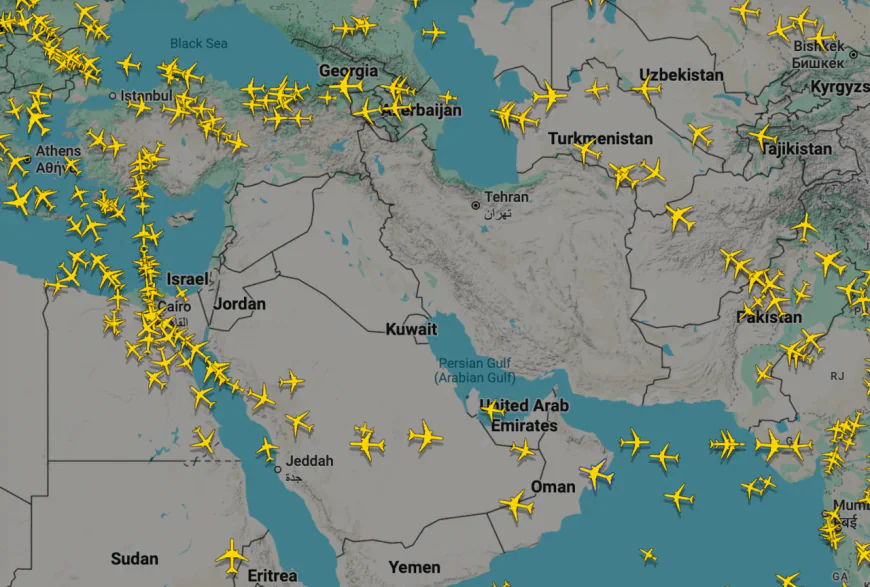
The photo shows the no-fly zone over the Middle East. Global air travel remained heavily disrupted as war in Iran kept major Middle Eastern airports closed. Photo: Flightradar24
Government revenue declines
The government is also losing income as fewer passengers travel abroad.
Outbound travellers typically pay a range of taxes and fees, including travel tax, embarkation charges and security fees, averaging $45–55 per passenger.
With around 500 flights cancelled and an estimated 250 passengers per flight, roughly 125,000 passengers have been unable to travel.
This could result in a loss of more than $6 million in passenger-related government revenue.
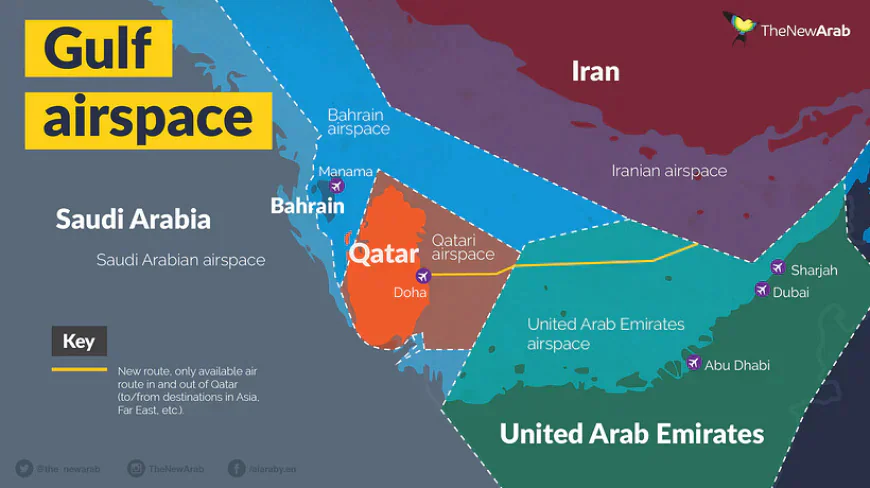
The image shows the only available air route in and out of Qatar to and from various destinations across the globe. Photo: The New Arab
Retail and transport services affected
Reduced passenger numbers are also hitting airport-based businesses.
Duty-free shops, restaurants and retail outlets rely heavily on international travellers. With fewer passengers, spending has dropped significantly.
Passengers typically spend $20–30 at airports on shopping and food. Using a conservative estimate of $25 per person, losses to airport retail businesses could exceed $3.1 million.
Transport providers—including taxis, limousine services, ride-sharing platforms and logistics firms—are also reporting reduced demand due to lower airport activity.
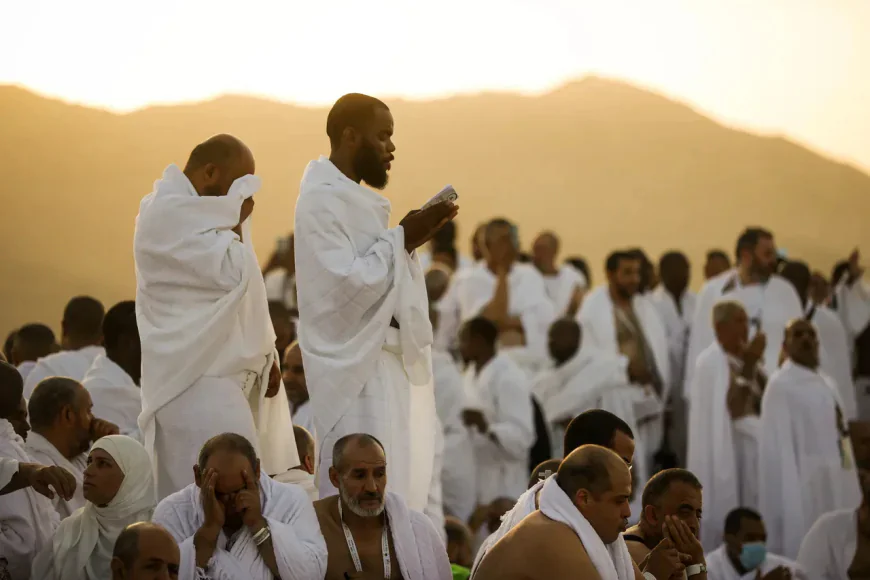
Hundreds of Muslim pilgrims have been stranded in Saudi Arab where they went to perform umrah before the beginning of the ME conflict. Photo: Anadolu Ajancy
Total impact and outlook
Taken together, the losses across aviation, hospitality, retail, transport and government revenue are estimated at $15–16 million within just a few days.
Bangladesh’s aviation sector is particularly exposed to disruptions in the Middle East due to strong travel links with Gulf countries, where millions of Bangladeshi workers are employed.
Airlines from the region also account for a large share of passenger and cargo traffic at Hazrat Shahjalal International Airport.
If the conflict continues and flight disruptions persist, the economic impact is likely to deepen in the coming weeks.
For now, industry stakeholders are closely monitoring the situation, hoping for a swift return to stability in a region critical to Bangladesh’s global air connectivity.
What's Your Reaction?
 Like
0
Like
0
 Dislike
0
Dislike
0
 Love
0
Love
0
 Funny
0
Funny
0
 Wow
0
Wow
0
 Sad
0
Sad
0
 Angry
0
Angry
0





Comments (0)