

Many countries expect hammering impact on travel, tourism amid escalating ME crisis
Israel's March 18 airstrikes on South Pars Natural Gas Field in Iran may reduce gas output by nearly 12%, triggering a surge in energy prices

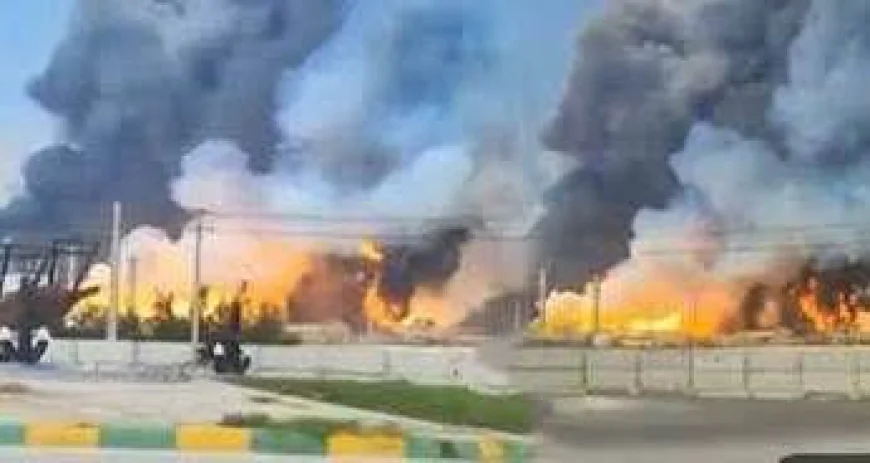
Qatar joins Saudi Arabia, US, Japan, Turkey and many others in expecting a hammering impact on travel, tourism and broader energy security following airstrikes on South Pars Natural Gas Field since it is the world’s largest natural gas field and is crucial to global energy markets, and the destruction of its facilities is expected to reduce gas output by nearly 12%, triggering a surge in energy prices, reports Travel and Tour World.
The recent airstrikes on March 18, 2026, have sent shockwaves throughout the Middle East and beyond, marking a significant escalation in the region’s ongoing crisis.
The attack, carried out by Israel, has disrupted vital energy infrastructure and is poised to have a severe impact on travel, tourism, and broader energy security for several countries across the globe who are dependent on the Middle East for gas supplies.
Qatar, Saudi Arabia, and other nations that depend on Middle Eastern energy resources are facing the consequences of this destabilizing attack.
Rising energy prices, geopolitical instability, and the disruption of key supply chains are set to affect both energy-dependent industries and tourism.
This article explores the immediate effects on these countries, the broader global impact, and the ripple effect on travel and tourism as the crisis deepens.
The ongoing situation underscores the interconnectedness of energy security and global economic stability.
Broader global impact on travel, tourism
The strikes on South Pars and the retaliatory measures taken by Iran are likely to have a cascading effect on global travel and tourism.
As oil and gas prices surge, the cost of travel—particularly air travel—is expected to rise.
This could lead to a reduction in both leisure and business travel, especially to the Middle East, where the political and security situation remains uncertain.
Countries that rely on energy imports from the affected regions, such as the EU, China, and India, will also face higher energy costs.
This will increase operating costs for businesses, including travel-related sectors like airlines, hotels, and tour operators.
The expected severe impact
Qatar joins Saudi Arabia, the United States, Japan, Turkey, and other nations in actually expecting a severe impact on travel, tourism, and broader energy security following the airstrikes on the South Pars gas field.
The attacks have not only disrupted Iran’s critical gas production but also triggered retaliatory strikes that have affected key energy infrastructure across the Gulf region.
Qatar, as a major gas exporter, faces disruptions to its LNG supply chains, potentially driving up global energy prices.
Saudi Arabia, Japan, and Turkey, highly dependent on stable energy supplies from the region, are vulnerable to price hikes and supply shortages, which could further destabilize their economies and tourism sectors.
The United States, while not directly involved, will likely experience higher fuel prices, impacting both domestic and international travel.
These cascading effects illustrate how deeply interconnected energy security and global tourism are, as rising energy costs and regional instability are expected to discourage travel and investment.
As tensions in the Middle East escalate, the ripple effect of these strikes will undoubtedly challenge the global economy, with long-lasting consequences for the energy and tourism sectors worldwide.
What's Your Reaction?
 Like
0
Like
0
 Dislike
0
Dislike
0
 Love
0
Love
0
 Funny
0
Funny
0
 Wow
0
Wow
0
 Sad
0
Sad
0
 Angry
0
Angry
0




Comments (0)