

Pros and cons of slow travel
More and more travelers are opting for immersive, unhurried experiences, seeking deeper connections with the destinations they visit
Japan has recently joined the elite group of countries popular among the lovers of slow travel. In addition to India, Vietnam, Indonesia, Thailand Sri Lanka and more, Japan also is now becoming a key destination for travelers seeking slow travel, a gradually growing trend among the tourists, providing opportunities to experience the heart of a destination through cultural immersion, wellness, and scenic exploration.
Taking inspiration from movements such as “slow living” and “slow food”, “slow travel” appears as a way to recover the connection we lost with the simplest of things. Ironically, we live in a society increasingly connected to smartphones and increasingly disconnected from the world around us, reports Travel and Tour World, a tourism-based online portal, in a feature published on 26 March.
The slow travel movement, gaining significant popularity in recent years, offers travelers the chance to deeply engage with the destinations they visit, focusing on cultural immersion and natural beauty rather than rushing through itineraries. Countries like Thailand, Vietnam, Indonesia, India, Japan and Sri Lanka have emerged as prime destinations for this more meaningful, reflective style of travel. These locations not only provide rich histories, diverse landscapes, and vibrant traditions but also encourage visitors to slow down and embrace the local pace of life, offering authentic and transformative travel experiences.
In a world where fast-paced travel and packed itineraries are the norm, the trend of slow travel is gaining momentum. More and more travelers are opting for immersive, unhurried experiences, seeking deeper connections with the destinations they visit. Thailand, alongside other notable countries like Vietnam, Indonesia, India, and Japan, has emerged as a key player in this movement, offering travelers the chance to slow down and truly engage with local culture, nature, and traditions. Here’s a look at how Thailand joins these destinations in promoting the art of slow travel.
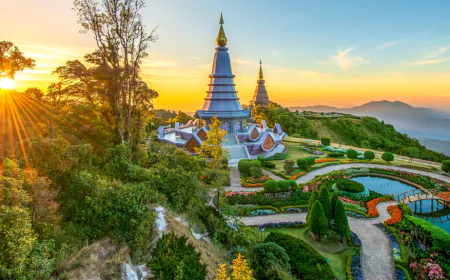
The photo shows a Theravada Buddhist temple at Chiang Mai Province in Thailand. Photo : Wikipedia
Thailand: A perfect destination for slow travel
Thailand, often known for its bustling cities and vibrant beaches, is increasingly becoming a hub for slow travel enthusiasts. The country’s diverse landscapes, rich cultural heritage, and laid-back lifestyle make it an ideal place for travelers looking to immerse themselves in local life and nature. Whether it’s spending time in the mountains, exploring the temples, or discovering the vibrant street food culture, Thailand offers something for every slow traveler.
Chiang Mai: A blend of culture and nature
Chiang Mai, located in northern Thailand, is the perfect destination for those seeking both cultural depth and natural beauty. The city’s rich history, with its ancient temples and strong Buddhist traditions, provides an ideal backdrop for slow travel. Visitors can take part in meditation retreats, explore the surrounding mountains, or visit local villages to learn about traditional crafts and cooking.
The laid-back atmosphere of Chiang Mai allows travelers to fully absorb the cultural heritage of the region. Whether strolling through the old city, visiting the famous Doi Suthep Temple, or spending time in the Elephant Nature Park—where ethical elephant tourism is promoted—Chiang Mai offers a meaningful, reflective pace of travel.
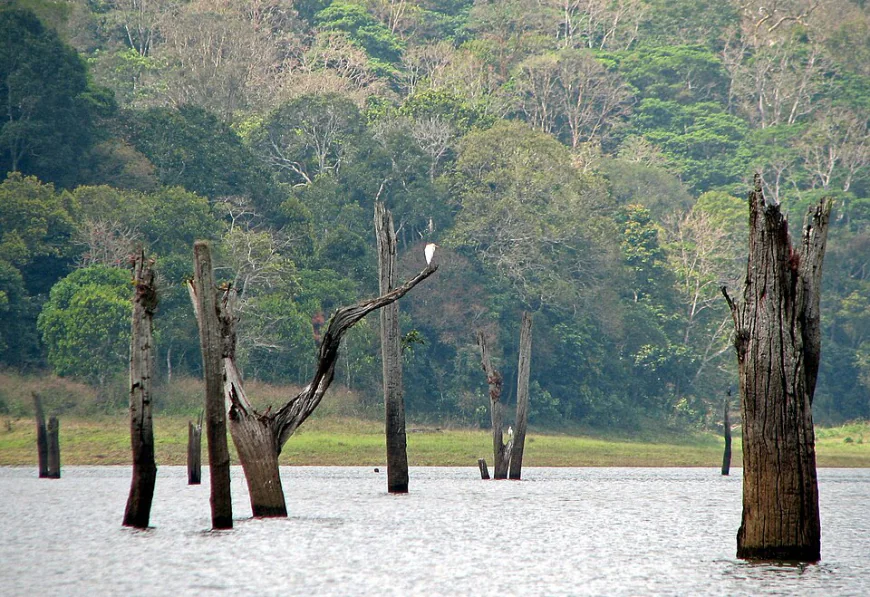
A view inside the periya Wildlife Sanctuary located in the districts of Idukki and Pathanamthitta in Kerala, India. Photo: Bernard Gagnon/Wikipedia
Kerala: A sanctuary of tranquility
The southern state of Kerala in India is another perfect slow travel destination. Known for its serene backwaters, Kerala offers visitors the chance to relax and recharge. Houseboat cruises through the tranquil backwaters allow travelers to connect with nature while floating past lush greenery, traditional fishing villages, and the ever-present coconut trees.
Kerala also invites visitors to experience Ayurveda, an ancient system of natural healing that encourages travelers to slow down and embrace wellness. From yoga retreats to spa treatments, Kerala offers a holistic approach to slow travel. The spice plantations, tea estates, and the famous Periyar Wildlife Sanctuary provide opportunities to engage with local culture and nature, making it a must-visit for those looking for a slower pace of life.
Vietnam: A deep dive into tradition, heritage
Vietnam, with its rich history and stunning landscapes, is an increasingly popular destination for slow travelers. From the bustling streets of Hanoi to the serene beauty of Halong Bay, Vietnam’s diversity offers the perfect balance between nature and culture.
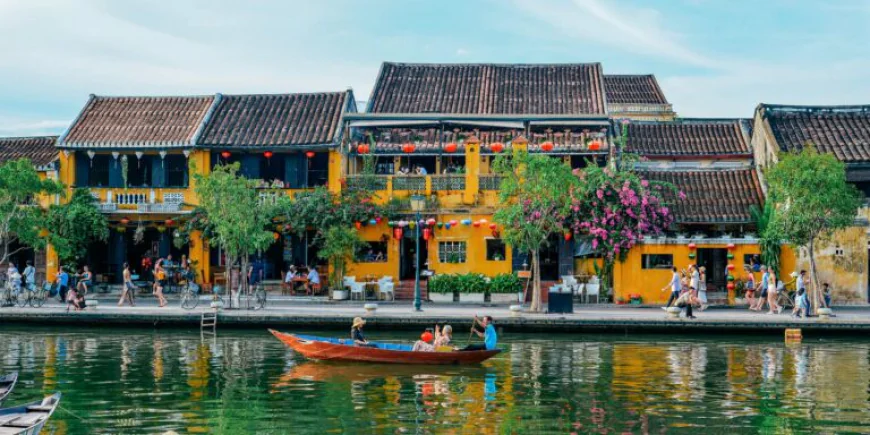
Hoi An embodies Vietnamese charm for many visitors supplying essential local experiences in easily digestible form. Photo: Wikipedia
Hoi An: A journey through time
The UNESCO World Heritage site of Hoi An is a quintessential slow travel destination. Known for its charming old town, Hoi An invites visitors to explore its narrow streets on foot or by bicycle. Travelers can spend the day visiting tailor shops to create custom garments, join cooking classes that include visits to local markets, or cycle through rice paddies to nearby coastal villages.
Beyond the town’s lantern-lit streets, Hoi An is a reflection of Vietnam’s layered trading history, influenced by Chinese, Japanese, and Vietnamese cultures. The city’s slow pace allows visitors to truly engage with the environment, making it a perfect place to unwind and explore without rushing.
Luang Prabang: Serene, spiritual, and scenic
Laos’ Luang Prabang is another destination that embodies the essence of slow travel . A UNESCO World Heritage site, this town sits peacefully between the Mekong and Nam Khan rivers. Luang Prabang’s serene atmosphere is perfect for travelers who wish to explore ancient temples, participate in almsgiving ceremonies, and enjoy leisurely boat rides on the river.
The town is also known for its French colonial architecture, which blends harmoniously with the traditional Lao culture. Travelers can spend time at local cafes, wander through the night markets, and take in the tranquil surroundings at their own pace.
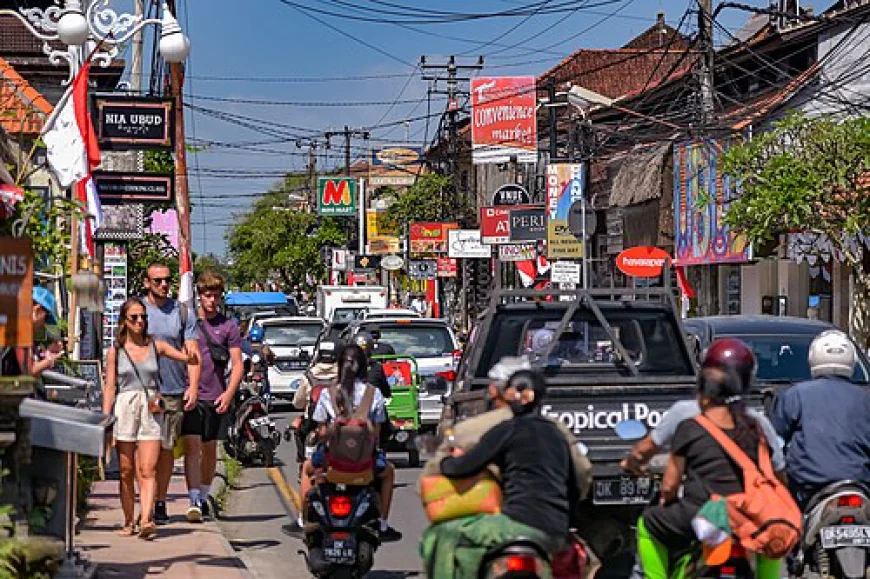
Tourists walk on the pavement of popular Monkey Forest Street of Ubud town in Gianyar Regency of Bali, Indonesia. Photo : Wikipedia
Indonesia: Ubud’s perfect blend of wellness and creativity
Indonesia, particularly the island of Bali, has long been a favorite for slow travelers seeking wellness, nature, and culture. Ubud, the cultural heart of Bali, is a destination where travelers can slow down and focus on spiritual, physical, and artistic rejuvenation.
Ubud: Wellness, nature, and art
In Ubud, mornings often begin with walks through the stunning Tegallalang Rice Terraces, followed by visits to local artist studios, where travelers can engage in traditional arts such as wood carving and batik. The town is also home to numerous yoga and wellness retreats, offering travelers the opportunity to immerse themselves in Bali’s holistic healing traditions.
The surrounding forests and mountains provide a peaceful backdrop for reflection and relaxation. Visitors can spend their days exploring temples, visiting the Sacred Monkey Forest Sanctuary, or attending cultural performances. Ubud’s laid-back atmosphere makes it an ideal place for slow travelers to reconnect with themselves and nature.
Japan: Tradition, reflection, and seasonal beauty
Japan’s deep cultural traditions, coupled with its stunning natural landscapes, make it a country where slow travel is truly celebrated. Cities like Kyoto have long been associated with a slower pace of life, where each season brings its own beauty and meaning.
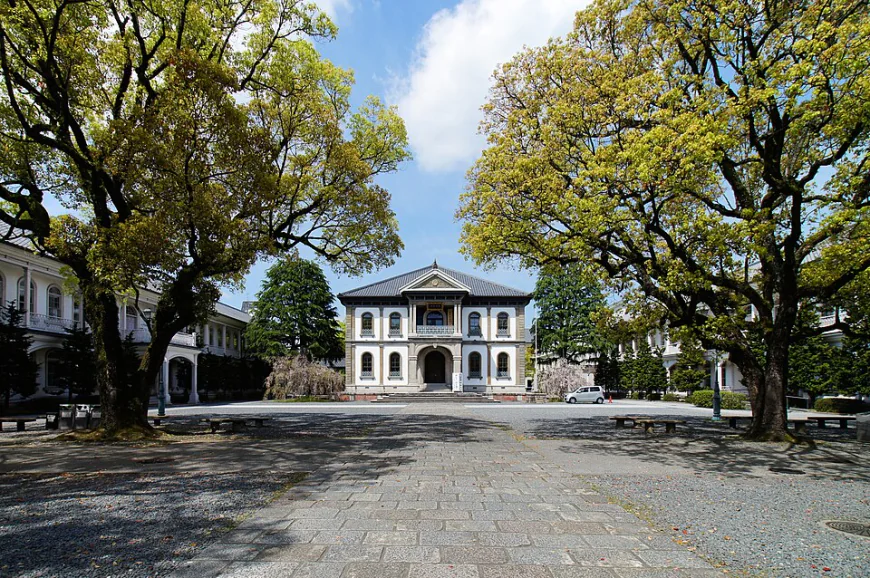
The frontal view of a house in Kyoto, Japan. Photo: Wikipedia
Kyoto: A journey through Japan’s heart
Kyoto, the former imperial capital of Japan, is a city that offers a structured form of slow travel. Visitors can take part in tea ceremonies, walk through carefully designed temple gardens, and enjoy seasonal cuisine, including the famed kaiseki dining. Kyoto’s cultural heritage is rooted in tradition, and the pace of life here encourages reflection and mindfulness.
Kyoto is also known for its natural beauty, with locations like the Arashiyama Bamboo Grove offering quiet walking paths where visitors can experience the peaceful energy of nature. With a deep connection to Japan’s cultural calendar, Kyoto provides travelers with an immersive, reflective experience that is at the heart of slow travel.
Sri Lanka: The rythms of Galle
Sri Lanka is a country that embodies the spirit of slow travel, and Galle is one of its most charming destinations. Located on the island’s southern coast, Galle is known for its Fort—a UNESCO World Heritage site that exudes colonial charm.
Galle: Slow living by the sea
In Galle, life moves at a relaxed pace. Travelers can stroll along cobblestone streets, visit art galleries, and unwind in cozy cafes. The town is surrounded by beautiful beaches where one can spend hours lounging, reflecting, and enjoying the natural surroundings.
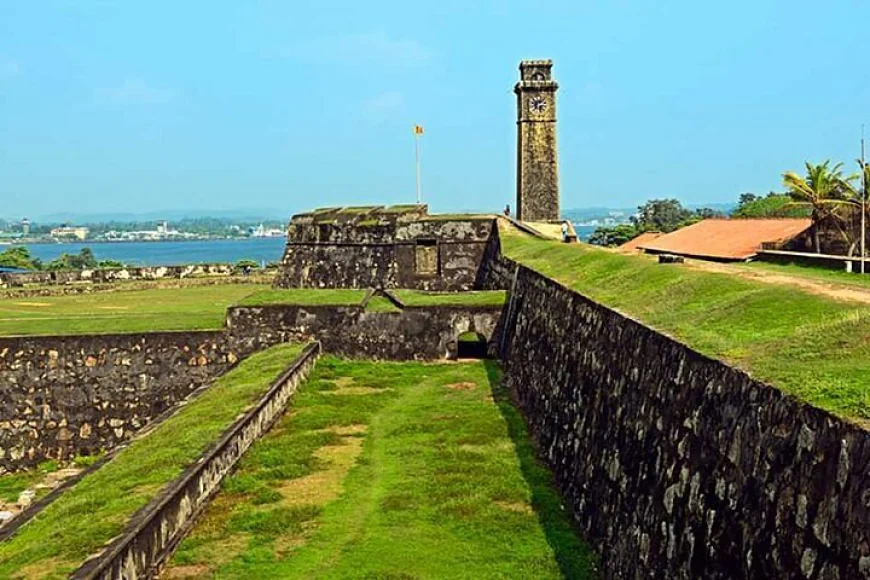
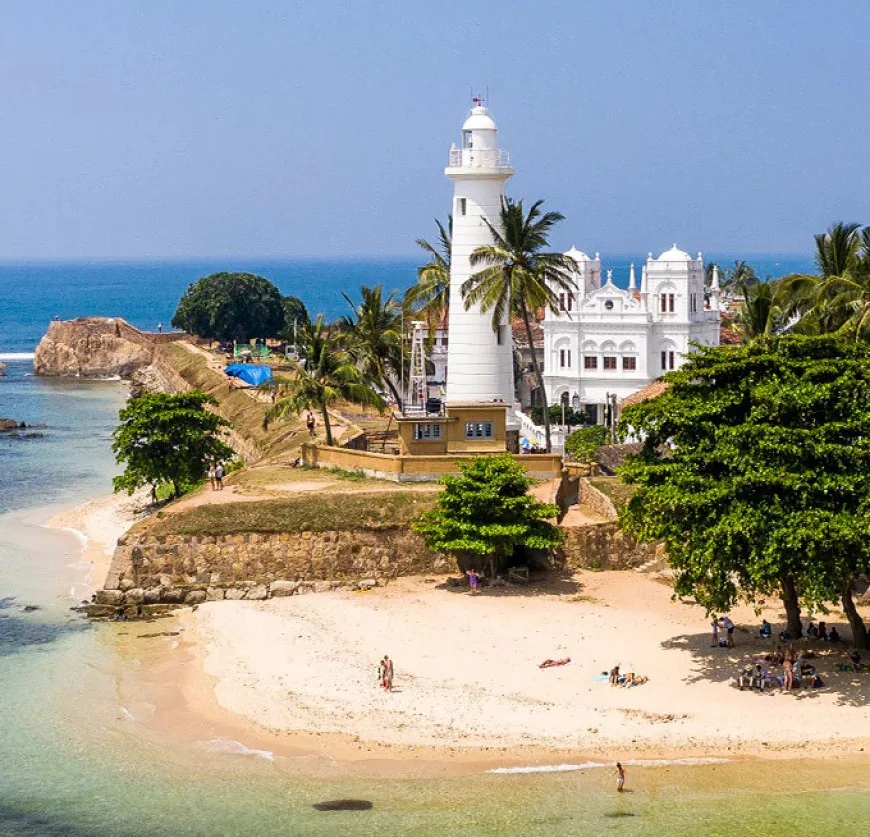
The historic Galle Fort at Sri Lanka's southern coast city of Galle, 129 kilometres from Colombo. Photo: Vogue
Galle’s history and colonial architecture, combined with the laid-back lifestyle, create an atmosphere that is perfect for slow exploration. Visitors can spend their time interacting with local artisans, enjoying freshly prepared meals, or simply soaking in the beauty of the coastline.
Slow travel movement: A growing trend
As travelers continue to seek meaningful, deeper connections with the places they visit, the slow travel movement is only gaining in popularity. Countries like Thailand, Vietnam, Indonesia, India, Japan, and Sri Lanka are at the forefront of this trend, offering unique opportunities for cultural immersion, nature-focused exploration, and authentic experiences.
Slow travel is not just about visiting landmarks—it’s about taking the time to truly experience a destination, engage with its people, and connect with its history and culture. By embracing the slower pace of travel, tourists are creating more lasting memories and enriching their lives in ways that fast-paced tourism can’t offer.
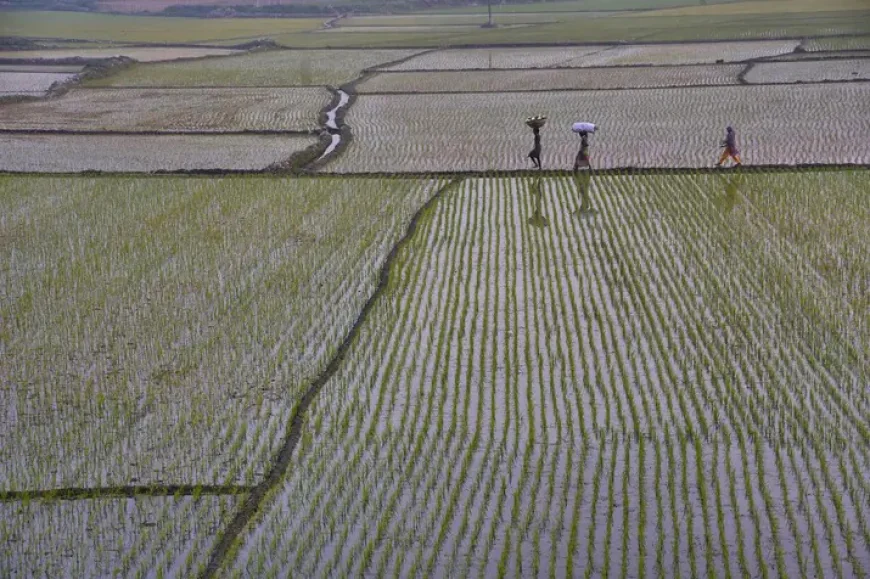
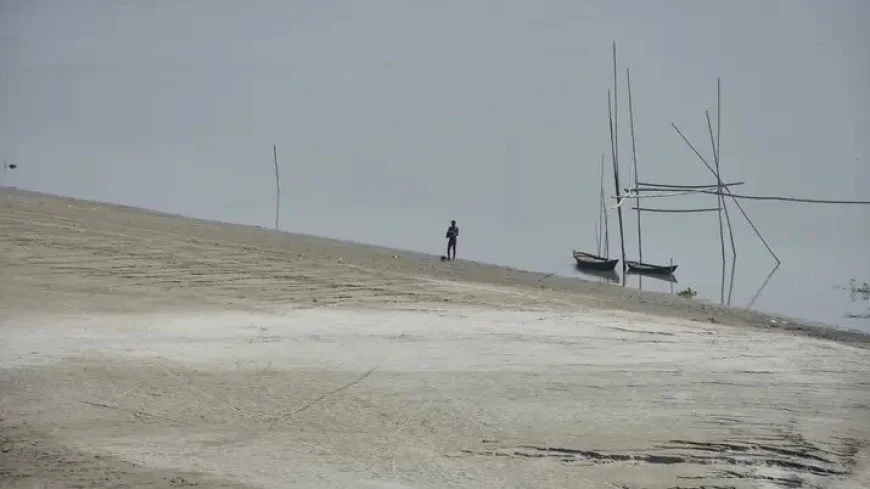
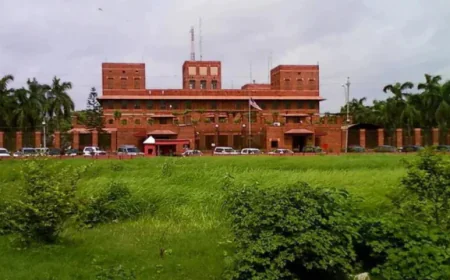
Slow travel is about taking the time to truly experience a destination, engage with its people, and connect with its history and culture. The image shows a paddy field at a village in Manikganj. Photo: Afia S Khan
For those looking to escape the hustle and bustle of traditional tourism, these destinations provide the perfect opportunity to unwind, reflect, and savor the journey. Whether it’s cycling through rice paddies in Vietnam, practicing yoga in Bali, or participating in ancient rituals in Laos, the world is full of destinations that invite you to slow down and appreciate the beauty of life at a more deliberate pace.
Slow travel is gaining momentum as travelers seek deeper connections with destinations, and countries like Thailand, Vietnam, and Japan lead the way by offering immersive, unhurried experiences that embrace local culture and nature.
In the fast-paced world of modern tourism, the shift towards slow travel offers a refreshing change. Thailand, alongside Vietnam, Indonesia, India, Japan, and Sri Lanka, has embraced this movement, offering travelers the chance to engage deeply with their destinations. Whether it’s the spiritual journeys in Chiang Mai or the serene landscapes of Kerala, these countries provide immersive, meaningful experiences that allow visitors to slow down and savor every moment. Slow travel is not just a trend—it’s a way of life, one that fosters deeper connections and more unforgettable memories.
What's Your Reaction?
 Like
0
Like
0
 Dislike
0
Dislike
0
 Love
0
Love
0
 Funny
0
Funny
0
 Wow
0
Wow
0
 Sad
0
Sad
0
 Angry
0
Angry
0

I am a journalist
Comments (0)