

Kashmir tourism yet to recover even after one year of Pahalgam attack
The April 22, 2025 attack in the Baisaran meadows of Pahalgam, which killed 25 tourists and a local resident, brought the region’s booming tourism industry to an abrupt halt

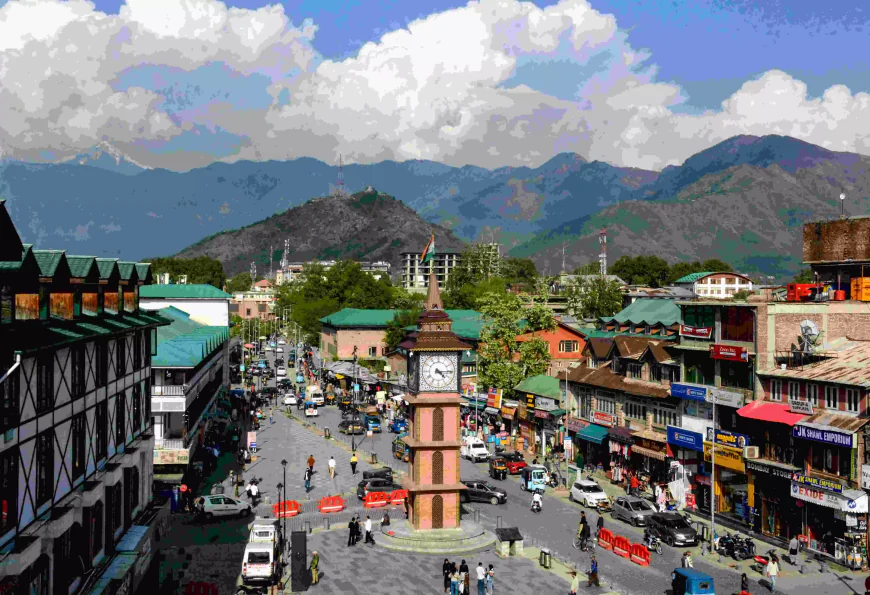
A year after the deadly attack on tourists in Pahalgam, Kashmir’s tourism sector is still struggling to regain momentum, with visitor numbers significantly down and business confidence yet to fully recover.
The April 22, 2025 attack in the Baisaran meadows of Pahalgam, which killed 25 tourists and a local resident, brought the region’s booming tourism industry to an abrupt halt, reports Indian Express.
Despite the gradual reopening of several destinations, stakeholders say the sector remains far from its pre-attack peak.
Tourism, a key pillar of Kashmir’s economy, had witnessed record growth between 2022 and early 2025. However, the latest figures point to a sharp decline in tourist arrivals, particularly during the crucial spring season.
At the Indira Gandhi Memorial Tulip Garden in Srinagar—a major seasonal attraction—visitor numbers have dropped drastically. From March 26 to April 24 last year, around 855,000 visitors entered the garden. This year, between March 16 and April 16, the number fell to just 390,000, less than half the previous figure.
Hotel occupancy rates also reflect the downturn.
“Even though the main tourist season has begun, bookings are only around 30 to 35 per cent,” said Abdul Wahid Malik, president of the Kashmir Hotels and Restaurant Owners Federation (KHAROF). He noted that 2024 had been one of the best years for tourism, with early 2025 showing even stronger potential before the attack.
Official data show that around 2.6 million tourists visited Kashmir in 2024. In contrast, while the first four months of 2025 saw 640,000 arrivals, the remaining months after the attack recorded only 400,000 visitors.
In the immediate aftermath of the incident, authorities shut down 49 tourist destinations, including popular sites such as Betaab Valley, Thajiwas Glacier, Doodhpathri and Yusmarg. Although several locations have since reopened, many trekking routes and adventure tourism hubs remain closed.
Industry players say this has had a particularly severe impact on niche tourism segments.
“Adventure tourism has come to a complete standstill,” said Rauf Tramboo, chief executive of Highland Journeys. “We continue to receive inquiries, but we advise travellers to wait. Many young entrepreneurs in this sector are now under financial strain.”
Kashmir’s high-altitude trekking routes, which attract thousands of adventure tourists each year, remain inaccessible, further limiting the region’s tourism recovery.
Stakeholders say restoring traveller confidence remains the biggest challenge. Continued restrictions on key destinations and lingering security concerns are discouraging both domestic and international tourists.
“It is difficult to rebuild trust when several areas are still off-limits,” Tramboo said, adding that while conditions have slightly improved, a full recovery will take time.
Experts believe that sustained policy support, an improved security outlook and the reopening of major tourist circuits will be critical to reviving Kashmir’s tourism industry.
For now, the sector shows signs of a slow recovery—but one year on, it remains well below its former strength.
What's Your Reaction?
 Like
0
Like
0
 Dislike
0
Dislike
0
 Love
0
Love
0
 Funny
0
Funny
0
 Wow
0
Wow
0
 Sad
0
Sad
0
 Angry
0
Angry
0





Comments (0)