

Dhaka records 539 Middle East flights in 16 days
Flight operations increased steadily from six services on 28 February to a planned 49 flights on 15 March.

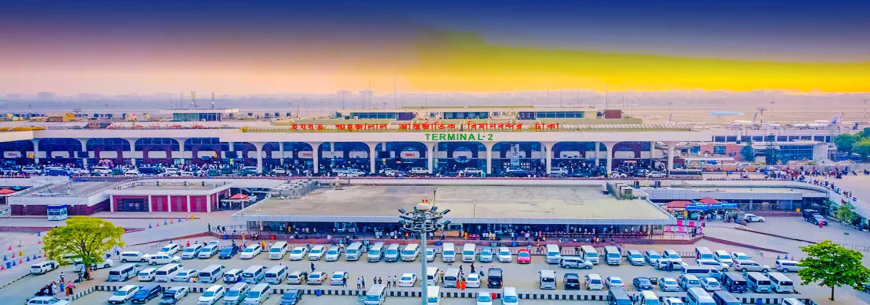
Hazrat Shahjalal International Airport operated 539 flights to destinations in the Middle East between 28 February and 15 March, reflecting a surge in travel during the peak Ramadan and Eid period.
Saudi Arabia received the highest number of flights, with 278 services during the period. Destinations in the United Arab Emirates followed with 160 flights, while Muscat received 101 flights. Flight operations increased steadily from six services on 28 February to a planned 49 flights on 15 March.
Daily operations reached a high on 12 March with 48 flights, including 23 to Saudi Arabia, 16 to the UAE and nine to Muscat. The number was expected to rise further on 15 March with 49 flights, including 21 to Saudi Arabia, 22 to the UAE and six to Muscat.
Within the UAE, Dubai received 76 flights during the period, while Sharjah had 61 flights and Abu Dhabi recorded 23. The distribution reflects strong demand for travel to several destinations across the UAE.
A notable change in operations occurred on 4 March when flights to the UAE began after four days of services operating only to Saudi Arabia and Muscat. On that day, Dubai started with four daily flights, while Sharjah received two.
Flight numbers rose significantly from the first day of operations. On 28 February, the airport handled only one flight to Muscat and five to Saudi Arabia, operating between 2:00pm and 11:59pm local time. The following day saw a total of 20 flights, including 16 to Saudi Arabia and four to Muscat.
From 4 March to 15 March, the peak travel period maintained more than 30 flights daily. On 9 and 10 March, the airport recorded 40 and 42 flights respectively, indicating rising travel demand ahead of Eid.
Ramadan typically leads to a surge in flights to the Middle East as Bangladeshi expatriates return home and many residents travel for Umrah or family visits. The current level of operations also reflects the aviation sector’s recovery despite earlier concerns that regional conflict could affect passenger traffic.
What's Your Reaction?
 Like
0
Like
0
 Dislike
0
Dislike
0
 Love
0
Love
0
 Funny
0
Funny
0
 Wow
0
Wow
0
 Sad
0
Sad
0
 Angry
0
Angry
0





Comments (0)