

Sixty dome mosque: A place of peace, tranquility and history
The Sixty Dome Mosque is more than just bricks and domes it is a living symbol of devotion, resilience, and artistic achievement

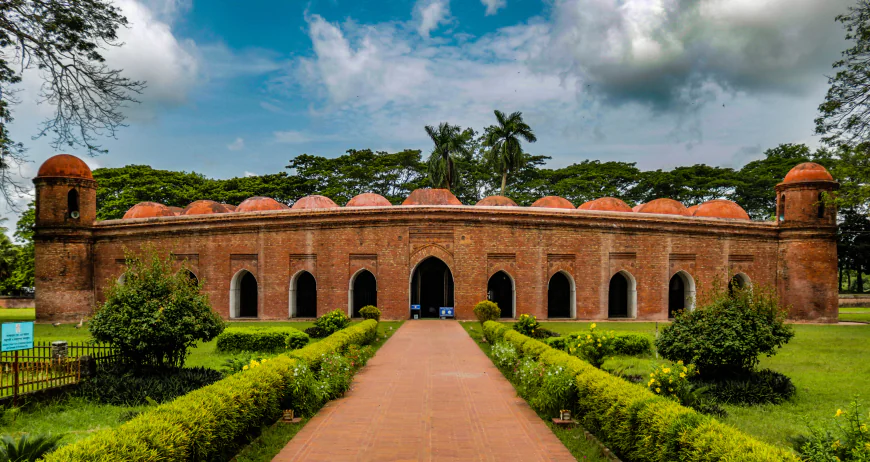
The Sixty Dome Mosque, also known as Shat Gombuj Masjid, is located in the historic city of Bagerhat in southern Bangladesh. Built in the 15th century, this beautiful mosque is a symbol of the rich Islamic history and smart architecture of the Bengal Sultanate. It is one of the most important old mosques in the country and is listed as a UNESCO World Heritage Site.
A glimpse into history
The Sixty Dome Mosque was commissioned by Khan Jahan Ali, a revered saint-general who played a vital role in spreading Islam in southern Bengal. Construction began around 1442 CE and was completed in 1459 CE. Khan Jahan Ali not only established the mosque but also founded the entire city of Bagerhat, which was once known as Khalifatabad.
Contrary to its name, the mosque doesn’t have exactly sixty domes. In fact, it has 77 low domes arranged in rows and 4 larger domes on each corner of the building. The name “Sixty Dome Mosque” is believed to originate from the sixty pillars that support the roof, creating a mesmerizing grid of arches and vaults.
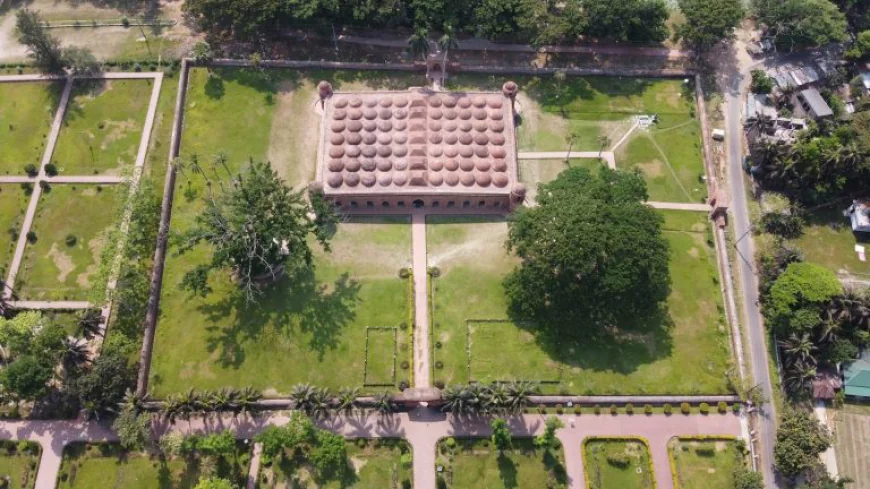
An aerial view of the mosque. Photo: Wikipedia
Architectural grandeur
The mosque is an architectural masterpiece of medieval Bengal. Built from baked terracotta bricks typical of the region due to a lack of stone the structure is rectangular in shape, measuring approximately 160 feet in length and 108 feet in width. Its features include:
Thick walls (about 6 feet) that keep the interior cool even during the hot summers.
🔹 Sixty interior pillars made of stone, which create a complex and symmetrical layout.
🔹 Multiple mihrabs (niches) aligned along the western wall, indicating the direction of prayer.
🔹 Arched doorways and windows that allow light and air to circulate freely.
🔹 Ornamental terracotta and stone decorations reflecting a fusion of Islamic and Bengali styles.
The mosque’s calm, dimly lit interior has an ethereal atmosphere, offering visitors a chance to connect with centuries of spiritual devotion and history.
Cultural and religious significance
The Sixty Dome Mosque is not just a historical relic it remains a functioning mosque to this day, drawing worshippers for daily prayers and special religious gatherings. Its enduring presence as a place of worship underscores its spiritual importance to the local community and to Muslims across the country.
Beyond its religious role, the mosque is also a center of cultural pride and a prominent destination for tourists, historians, and architecture enthusiasts. Its preservation is a national priority and reflects Bangladesh’s deep respect for its Islamic and cultural heritage.Mosque, Singair Mosque, and the shrine of Khan Jahan Ali.
The Sixty Dome Mosque is more than just bricks and domes it is a living symbol of devotion, resilience, and artistic achievement. Whether you’re a history buff, an architecture lover, or a spiritual seeker, this iconic mosque offers a profound journey through time and culture. Its quiet grandeur and historical depth make it one of the must-visit destinations in Bangladesh.
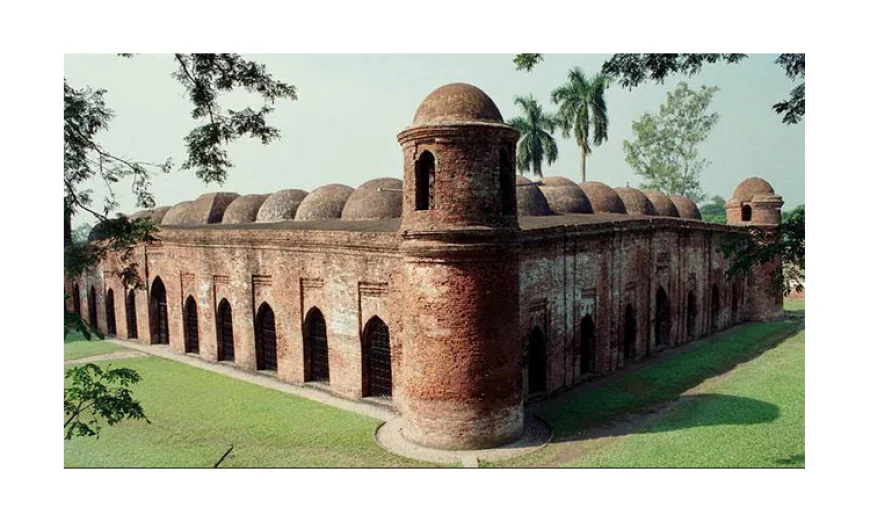
A side view of the sixty dome mosque in Bagerhat. Photo: Wikipedia
Tips for visitors
🔹 Dress modestly and respect local customs, especially during prayer times.
🔹 Visit in the early morning or late afternoon to enjoy the mosque in natural light and avoid the midday heat.
🔹 Explore the nearby historical sites in Bagerhat, including Nine Dome
What's Your Reaction?
 Like
0
Like
0
 Dislike
0
Dislike
0
 Love
0
Love
0
 Funny
0
Funny
0
 Wow
0
Wow
0
 Sad
0
Sad
0
 Angry
0
Angry
0




Comments (0)