

Nilphamari: A journey thru history and nature
Top spots include the historic Nilsagar Dighi, Uttara EPZ, Dimla Forest and various British-era landmarks

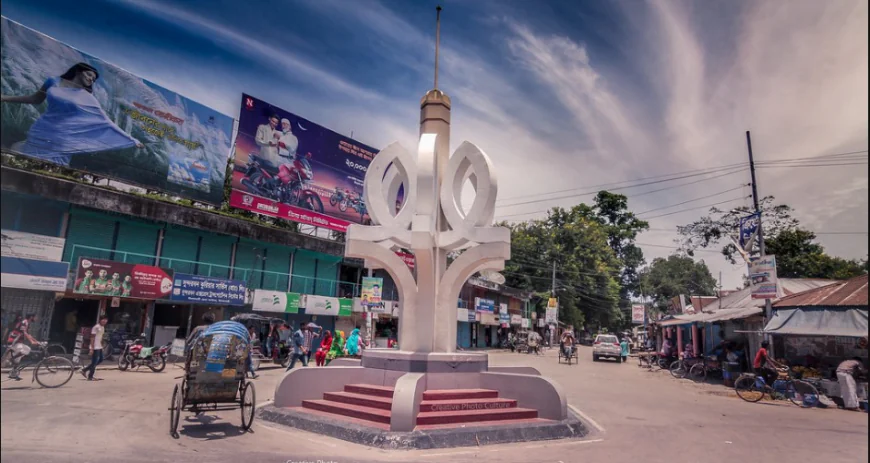
Located in the northern Rangpur division of Bangladesh, Nilphamari is a district that offers a compelling blend of ancient history, spiritual heritage, natural attractions and modern economic hub. The district is heavily influenced by its indigo-farming history. Local and foreign tourists have plenty of places to go and visit across the district.
Timeless attraction of Nilsagar
The crown jewel of the district is undoubtedly Nilsagar, a vast man-made waterbody with a history stretching back to the seventh century. According to local history, Nilsagar was dug by powerful monarch Raja Birat and it was originally named after his daughter. Spanning over 21 hectares, this large water reservoir is a serene escape, surrounded by brick walls and a decorated bathing ghat.
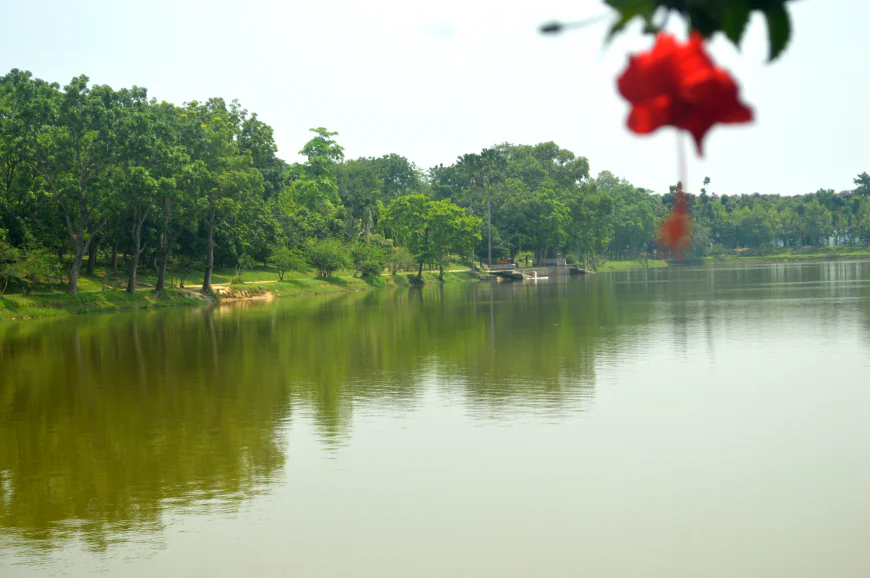
Scenic beauty of Nilsagar. Photo: Bangladesh National Portal
Historically, the pond’s name is also tied to Nilphamari’s legacy of indigo cultivation, and it was once a thriving sanctuary for thousands of migratory birds. While the number of avian visitors declined due to ecological changes in the past, recent efforts by local authorities to plant bird-friendly, indigenous trees are helping restore its natural charm. During Baishakhi Purnima, the banks of Nilsagar come alive with the “Baruni Snan” festival and a traditional fair, drawing crowds for holy dips and cultural performances.
Echoes of heritage and harmony
Nilphamari is home to cultural and spiritual landmarks. For those interested in mythology, Harishchandra’s Path is a significant site. It is believed to be the route traversed by the legendary King Harishchandra, famed for his unwavering commitment to truth and justice, offering a peaceful atmosphere for reflection.
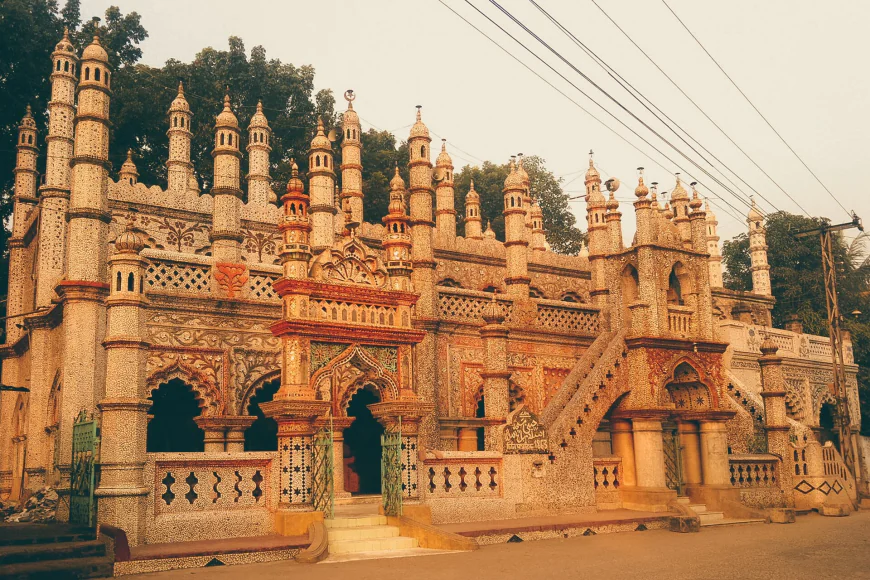
Facade of Chini Mosque, also known as Glass Mosque. Photo: Wikipedia
The district also boasts impressive religious architecture, notably the Chini Mosque in Saidpur. Adorned with intricate porcelain tiles, this Mughal-era Mosque stands as a testament to the region’s rich artistic and Islamic heritage. Alongside these, remnants of the “Neel Kuthi” (indigo factories) serve as silent witnesses to the colonial past when the region was a hub for indigo cultivation.
Pulse of progress: Uttara EPZ
Beyond its tranquil past, Nilphamari is looking firmly toward the future. The Uttara Export Processing Zone (EPZ) is a cornerstone of the local economy, attracting significant foreign investment, including interest from Chinese enterprises. The EPZ is central to local political pledges aimed at expanding heavy industries and improving infrastructure. As it grows, it aims to transform Nilphamari into a commercial hub, providing employment and connecting the northern region to international trade networks.
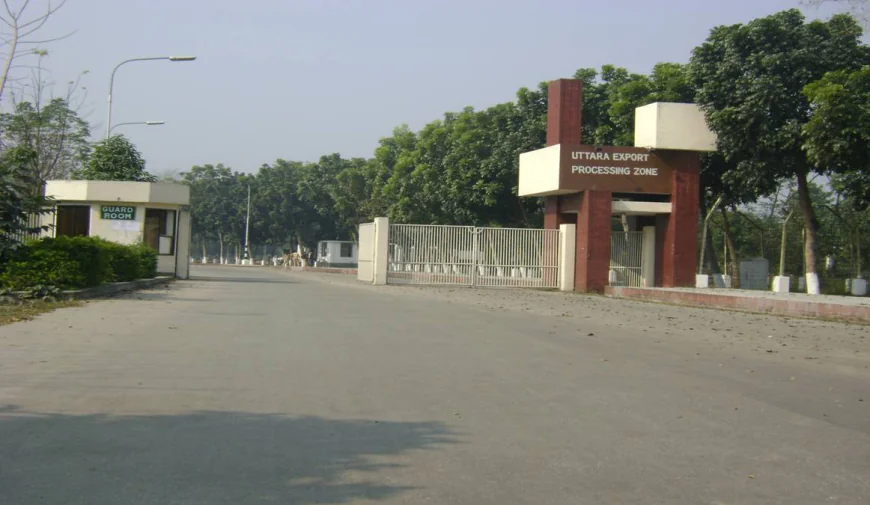
Uttara EPZ, Nilphamari. Photo: Wikipedia
From the mythological path of a just king to the humming factories of the EPZ, Nilphamari offers a rare snapshot of Bangladesh’s past, present and future.
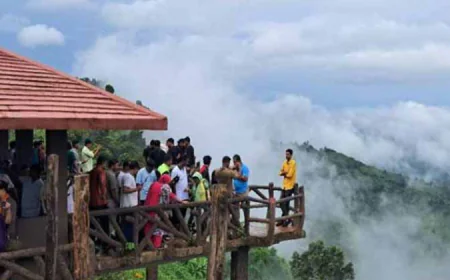
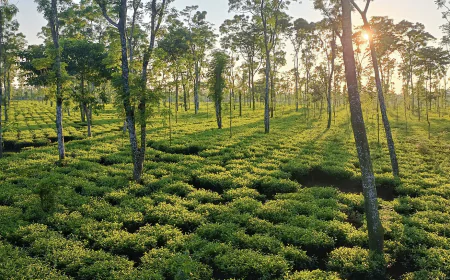
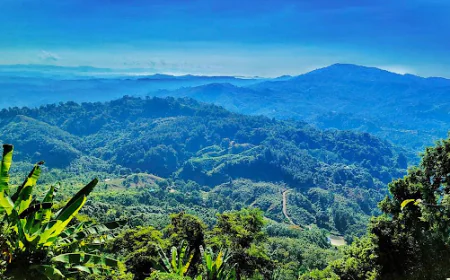
Dimla Forest is one of the nicest sightseeing spots in Nilphamari as it is a quiet forest area in the frontier upazila (sub-district) offering beautiful natural scenery.
Nilphamari is crisscrossed by several rivers like the Teesta, Jamuneshwari, Chikli, Buri Teesta and Bamandanga. These waterbodies are contributing to the local agriculture and rural economy.
What's Your Reaction?
 Like
0
Like
0
 Dislike
0
Dislike
0
 Love
0
Love
0
 Funny
0
Funny
0
 Wow
0
Wow
0
 Sad
0
Sad
0
 Angry
0
Angry
0

Comments (0)