

Bangladesh takes UNHCR leadership role
Bangladesh's Permanent Representative to the United Nations Office and other international organisations in Geneva, Ambassador Nahida Sobhan, formally assumed the role of chair of the four-member ExCom Bureau on Tuesday
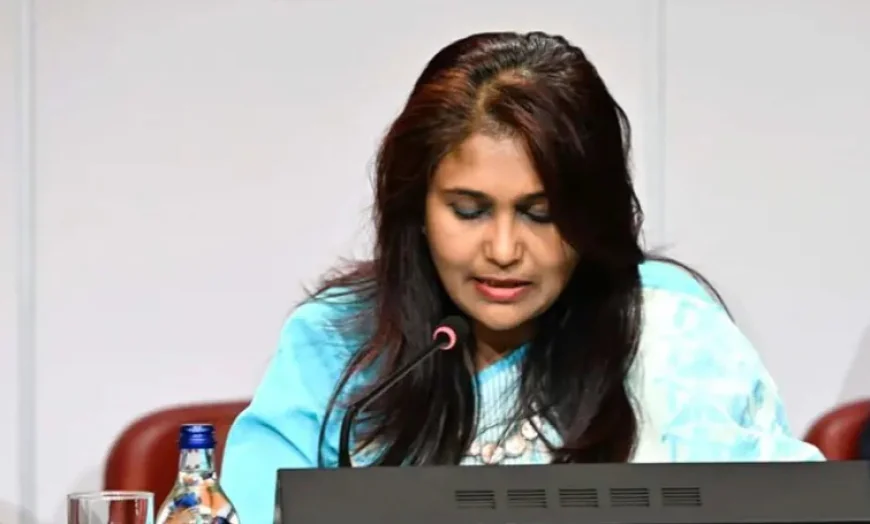
Bangladesh has assumed the chairmanship of the Bureau of the Executive Committee (ExCom) of the United Nations High Commissioner for Refugees (UNHCR) for the first time, marking a significant milestone in the country's multilateral diplomacy.
Bangladesh's Permanent Representative to the United Nations Office and other international organisations in Geneva, Ambassador Nahida Sobhan, formally assumed the role of chair of the four-member ExCom Bureau on Tuesday, according to an official statement.
Bangladesh has never previously served in the bureau since the UNHCR Executive Committee became operational in 1959.
Bangladesh was unanimously nominated by the Asia-Pacific Group, with Algeria and Austria formally seconding the nomination on behalf of different regional groups. All 110 member states of the Executive Committee subsequently endorsed Ambassador Sobhan's nomination.
The appointment reflects the international community's confidence in Bangladesh's leadership and its growing role in the multilateral system, the statement said.
A career diplomat, Ambassador Sobhan has previously served in Bangladesh's missions in Rome, Kolkata and Geneva, and as ambassador to Jordan and high commissioner to Canada. She also served as director general of the United Nations Wing at the Ministry of Foreign Affairs and worked closely with UN agencies, including UNHCR, on the Rohingya response.
The statement said Bangladesh's assumption of the chairmanship carries particular significance as the country continues to host around 1.3 million forcibly displaced Rohingyas from Myanmar while advocating for their safe, voluntary, dignified and sustainable repatriation.
Bangladesh takes on the role at a critical time for the global refugee protection system, amid record levels of displacement, growing humanitarian needs and increasing funding constraints.
The chairmanship is widely seen as international recognition of Bangladesh's constructive leadership on humanitarian and forced displacement issues, as well as its commitment to international cooperation and burden-sharing.
What's Your Reaction?
 Like
0
Like
0
 Dislike
0
Dislike
0
 Love
0
Love
0
 Funny
0
Funny
0
 Wow
0
Wow
0
 Sad
0
Sad
0
 Angry
0
Angry
0
Comments (0)