

Bangladeshis out of Lankan visa waiver
Bangladeshis continue to face ETA charges while visitors from India, Nepal and Pakistan receive free entry; although over 59,000 Bangladeshis visited Sri Lanka last year

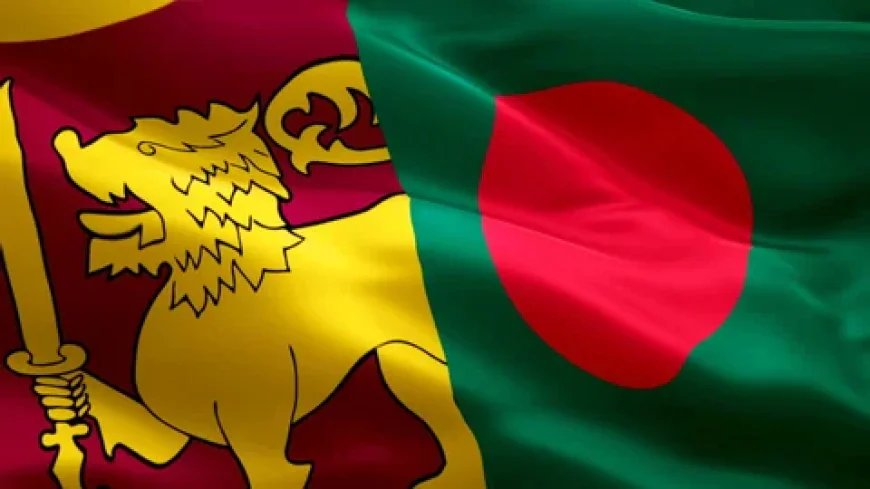
Bangladesh has been left out of Sri Lanka’s newly expanded visa fee waiver programme despite emerging as one of the island nation’s fastest-growing tourism markets, raising concerns among tourism stakeholders.
Sri Lanka recently introduced a policy granting free 30-day tourist visas through its Electronic Travel Authorisation (ETA) system to citizens of 40 countries in a bid to boost visitor arrivals. However, Bangladesh was not included on the list, even though more than 59,000 Bangladeshis travelled to Sri Lanka in 2025.
According to data from Sri Lanka’s Ministry of Tourism, a total of 59,563 Bangladeshi tourists visited the country last year, up significantly from 39,555 in 2024 and 17,846 in 2023. As of 4 June this year, another 19,653 Bangladeshis had already travelled to Sri Lanka.
The figures indicate a sharp rise in visitor numbers from Bangladesh over the past few years, making it one of Sri Lanka’s top 10 source markets for tourism.
An analysis of Sri Lanka’s top 20 tourist-generating countries in 2025 shows that Bangladesh is the only country among them not granted the new visa fee waiver facility.
Under the revised policy, which came into effect on 25 May, citizens of countries including Australia, the United States, the United Kingdom, China, India, Pakistan, Nepal, Malaysia and Japan are eligible for free 30-day tourist visas through the ETA system.
While travellers from India, Nepal and Pakistan benefit from the waiver, Bangladeshi visitors are still required to pay for the ETA. Foreign tourists generally pay a visa processing fee of $50, but Bangladeshi nationals receive a reduced SAARC rate of $20, in addition to applicable taxes.
The free visa facility applies to holders of diplomatic, official, service and ordinary passports from the eligible countries. Travellers must still obtain ETA approval before entering Sri Lanka.
The new arrangement also allows double entry within the 30-day validity period, although a second entry does not provide a fresh visa term. Visitors wishing to stay beyond 30 days may apply for an extension by paying the required fees.
Tourism industry representatives have questioned Bangladesh’s exclusion from the scheme, particularly given the rapid growth in visitor numbers.
Secretary General of the Pacific Asia Travel Association (PATA) Bangladesh Chapter and Chief Executive Officer of Journey Plus, Taufiq Rahman, noted that Sri Lanka actively promoted its tourism sector in Dhaka through a roadshow earlier this year.
“Despite Bangladesh being one of Sri Lanka’s key tourism markets, the latest visa initiative offers no benefit to Bangladeshi travellers,” he said. “Countries such as Nepal and Pakistan have received the waiver, but Bangladesh has been left out.”
Rahman said the issue also touches on Bangladesh’s broader image and bilateral tourism relations, urging both tour operators and government authorities to engage with their Sri Lankan counterparts on the matter.
Industry insiders believe the decision has disappointed many tourism stakeholders in Bangladesh, particularly at a time when travel demand to Sri Lanka has been growing steadily and contributing significantly to the country’s tourism recovery efforts.
What's Your Reaction?
 Like
0
Like
0
 Dislike
0
Dislike
0
 Love
0
Love
0
 Funny
0
Funny
0
 Wow
0
Wow
0
 Sad
0
Sad
0
 Angry
0
Angry
0
Comments (0)