

Dive deep into history, heritage of Munshiganj
Munshiganj is an island district with a glorious history spanning thousands of years with its unique blend of history, heritage, culture, archaeology, rivers and natural beauty

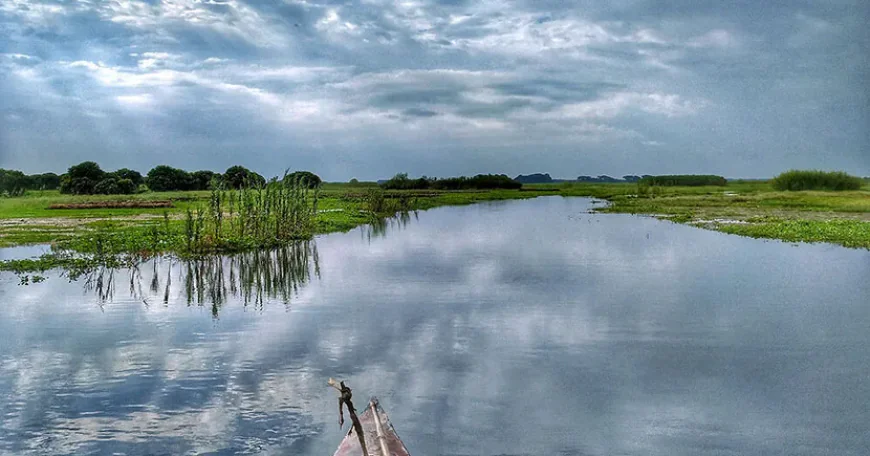
Munshiganj, an ancient city rich in the history, heritage and culture of Bengal, holds immense potential for tourism. Situated among the Padma, Meghna, Dhaleshwari and Ichhamati rivers, Munshiganj is an island district with a glorious history spanning thousands of years. With its unique blend of history, heritage, culture, archaeology, rivers and natural beauty, the district has enormous potential for developing its tourism industry.
With proper planning and necessary initiatives, Munshiganj can be developed into an attractive destination for tourists. This land of natural beauty is home to the relics of Muslim, Hindu, Buddhist and Christian personalities and religions. At the same time, the soil of this region is deeply connected with the architectural styles of the Pala, Sena and Mughal periods.
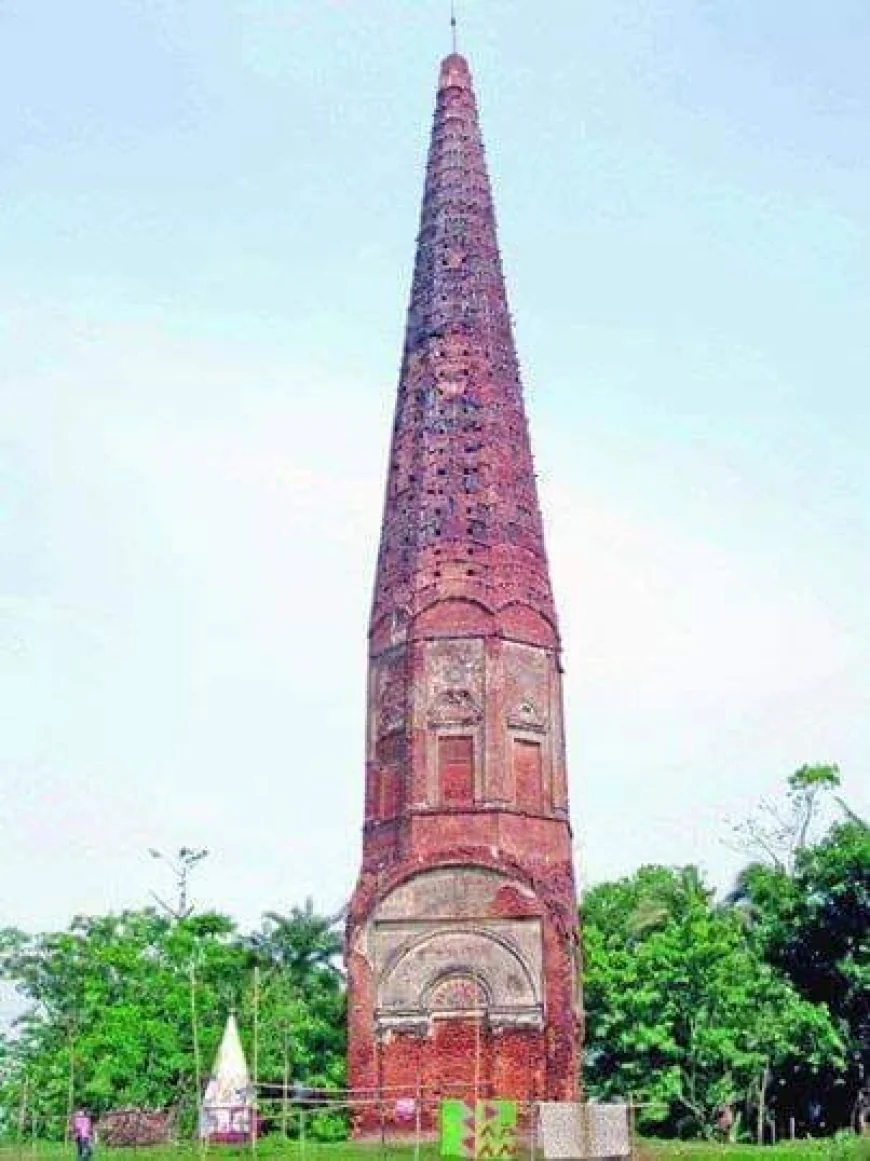
Shyamsiddhi Moth is located in Shyamsiddhi village, to the west of Srinagar Bazar under Srinagar upazila in Munshiganj. The approximately 247 years old moth (monastery) is considered the tallest monastery and tallest monument in the Indian subcontinent. Photo: Vintage Bangladesh
The ancient city of Munshiganj bears the marks of prosperous ancient governance and trade, as well as the achievements and memories of many distinguished personalities. These include one of the greatest Buddhist scholars, Atish Dipankar; world-renowned scientist Jagadish Chandra Bose; Deshbandhu Chittaranjan Das; Sarojini Naidu; novelist Manik Bandopadhyay; Shirshendu Mukhopadhyay; Samaresh Basu; Buddhadeb Basu; comedian Bhanu Bandopadhyay; filmmaker Abdul Jabbar Khan; physicist and mathematician Meghnad Saha; educationist Ashutosh Ganguly; writer Dr Humayun Azad; musician Alauddin Ali; and English Channel-winning swimmer Brajen Das. The six upazilas of the district still preserve the memories and traces of these eminent figures.
These remarkable landmarks still stand proudly in different parts of the district as witnesses to its history and heritage.
Among the notable historical sites are Idrakpur Fort, built in Munshiganj town during the time of Bengal's Subahdar and military commander Mir Jumla; the ruins of King Ballal Sen's palace at Rampal in Sadar upazila; the Shahid Baba Adam Mosque, associated with Baba Adam, who was martyred at the hands of King Ballal Sen; Pandit's Homestead in Bajrayogini, Sadar upazila, which preserves the memory of Buddhist scholar Atish Dipankar; the twin monasteries of Sonarang in Tongibari; King Ballal Sen's pond at Rampal; King Harish Chandra's pond; the Buddhist monastery at Raghurampur in Rampal; the Nateshwar Buddhist temple in Tongibari; the Shyamsiddhi Monastery in Srinagar, one of the tallest in the Indian subcontinent; and the 500-year-old Kali temple at Shekhar Nagar in Sirajdikhan.
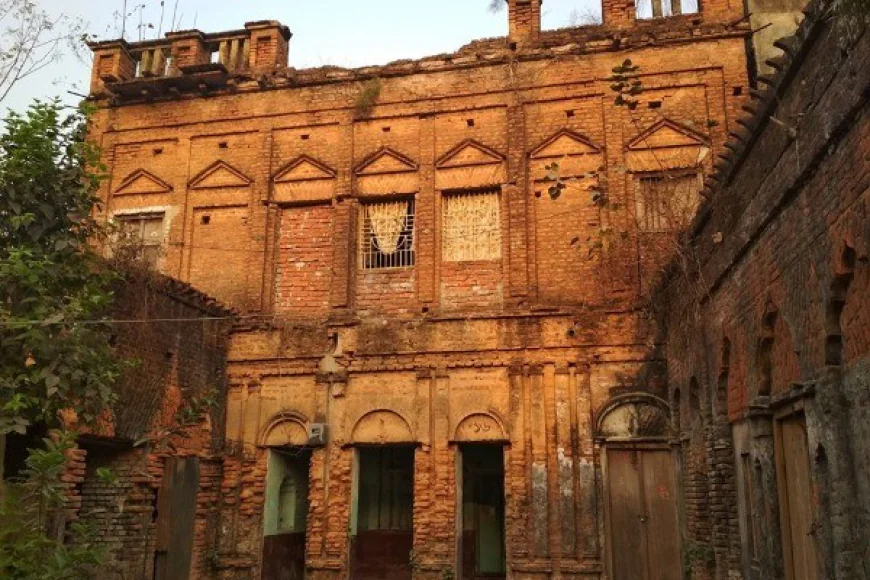
A building of Nagar Kasba in Munshiganj. Photo: Kashfia
There are also the Tengar Shahi Mosque from the Sultanate period, Nagar Kasba, a commercial city from the Sultanate era at Mirkadim in Munshiganj Sadar, Pulghata Brick Bridge, popularly known as Gaibi Bridge, in Panam Balokhaya of Sadar upazila, and the Samaj Mosque at Abdullahpur in Tongibari, built during the Mughal period. These stand today as historical monuments and symbols of pride. The scenic environment and natural beauty of the 166,600-acre Arial Beel, spread across Srinagar and Sirajdikhan upazilas, captivate visitors. During the monsoon season, hundreds of travellers flock there to enjoy its beauty.
Munshiganj Zila Parishad Administrator AKM Iradat told BSS that Munshiganj is rich in history, heritage and natural beauty. By utilising the tourism potential of this ancient district, it can be transformed not only into a tourism district but also into one of the country's most attractive tourist cities. Tourism development is included in the current government's election manifesto. Under this grand plan, a proposal will be taken to develop Munshiganj as a tourism district.
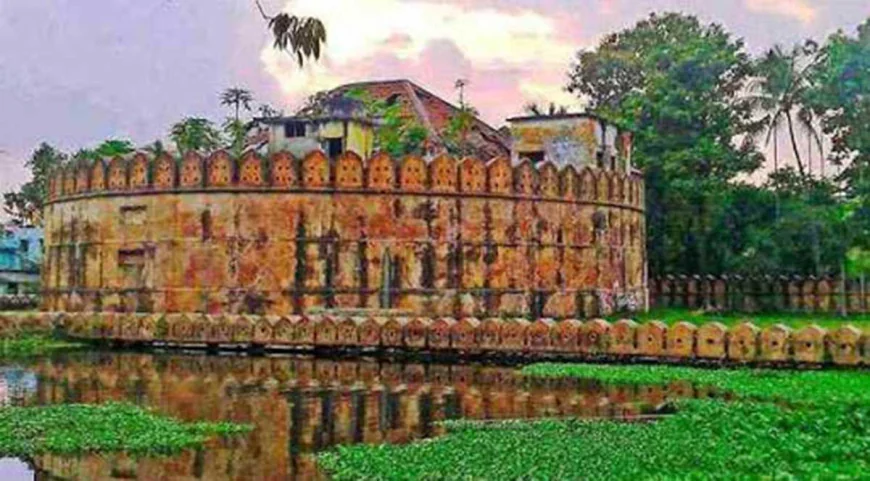
Idrakpur fort is located in the heart of Munshiganj city. During the reign of Mughal Emperor Aurangzeb, the fort was named Idrakpur Fort in this area of Bikrampur in 1660 AD by Mir Jumla, a general and subedar of Bengal. Photo: Travel Mate
Educationist and journalist Md Mahbubur Rahman told BSS that the current generation knows very little about the district's archaeological sites. Both local and foreign tourists are unaware of transport facilities and the locations of these historical monuments. Therefore, it is essential to preserve, renovate and beautify these promising heritage sites.
He said that if adequate information boards, rest areas and security arrangements are provided and the sites are presented attractively to the public, both local and foreign tourists will visit. Introducing tourism packages would further increase visitors' interest in coming to Munshiganj.
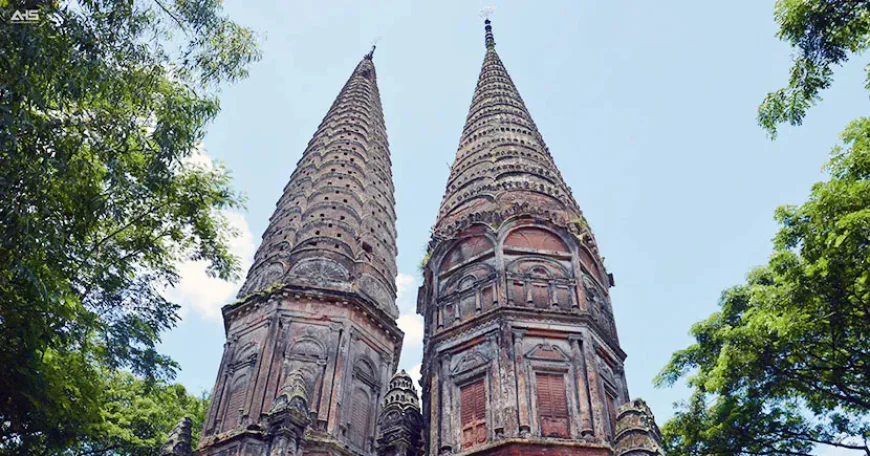
The Sonarang Twin Temples (Sonarong Jora Moth) at Tongibari in Munshiganj are one of the most stunning 18th-century archaeological sites. Photo: Adar Bepari
Former president of the Munshiganj Bar Association, Advocate Zakaria Molla, said that although there were plans to develop a recreation centre around the Padma Bridge in Shimulia during the construction period, the project was never implemented. Due to a lack of entrepreneurs, quality recreation centres have not been developed there.
He said that establishing planned recreation centres at the heritage-rich Arial Beel and Mawa near the Padma Bridge would help develop the tourism industry in Munshiganj. It would also create recreational opportunities for people from the southern region. There are around 50 archaeological and tourist attractions in the district. Developing Munshiganj as a tourism destination would bring economic prosperity to the region.
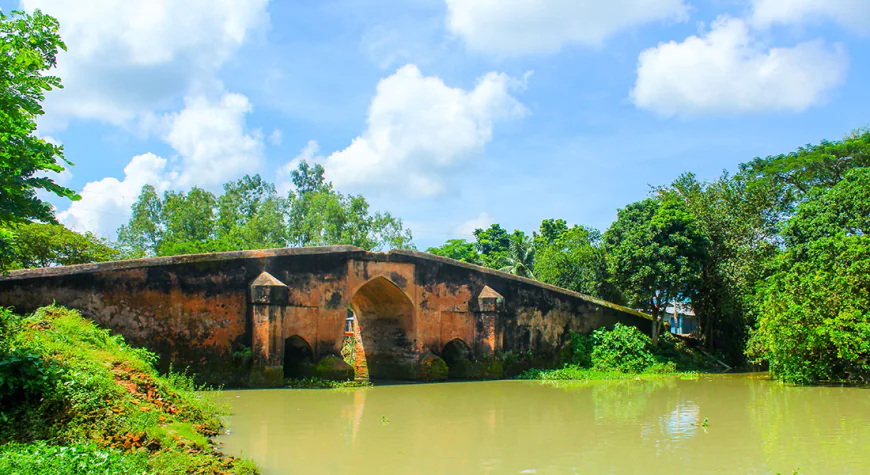
Polghata Bridge is a unique antiquity of the Mughal period made of bricks and surki at Panam Polghata village in Rampal union of Munshiganj Sadar upazila. Photo: Musafir.com
Hotel owners in the Shimulia Ghat area of Mawa said that establishing recreation centres there would boost business and trade. Visitors can travel along the Dhaka-Mawa Expressway and spend the day exploring nearly 50 archaeological and tourist sites in Munshiganj, while also enjoying the stunning natural beauty of Arial Beel and the Padma Bridge area at Mawa.
They added that visitors touring Munshiganj's archaeological sites and historical landmarks would also be able to taste Rampal's Sagar Kola, Sirajdikhan's historic Patkhira, Munshiganj's rasgolla and Sanar Amitti.
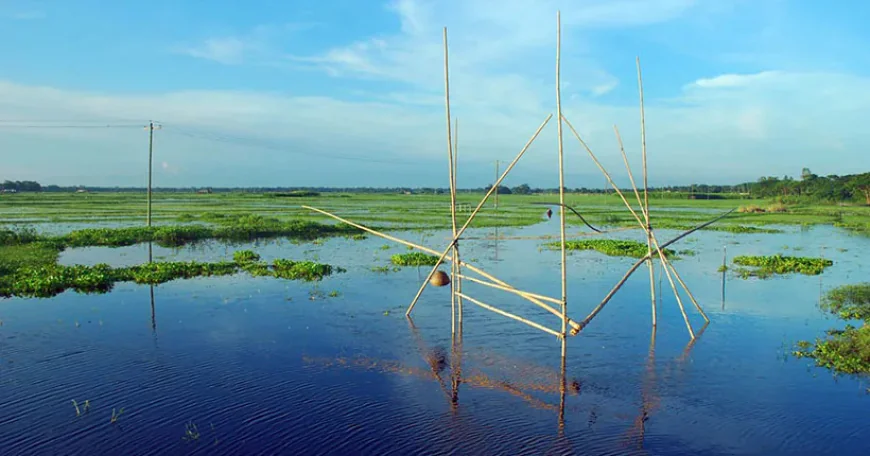
Arial Beel is the third largest wetland in Bangladesh covering an area of 136 square kilometres. Photo: Adar Bepari
Munshiganj Deputy Commissioner Syeda Nurmahal Ashrafi told BSS that a Tk 500 million Development Project Proposal (DPP) has been prepared and sent to the Ministry of Planning to develop Munshiganj into a tourism city.
The proposal is currently under review. Once approved, Munshiganj's history and heritage can be promoted to tourists at home and abroad, and the district will emerge as a tourism city.
What's Your Reaction?
 Like
0
Like
0
 Dislike
0
Dislike
0
 Love
0
Love
0
 Funny
0
Funny
0
 Wow
0
Wow
0
 Sad
0
Sad
0
 Angry
0
Angry
0

Comments (0)