

Two-day holiday a game-changer for Nepal’s tourism industry
Nepal's two-day weekly holiday policy, introduced to reduce fuel consumption amid Mideast conflict

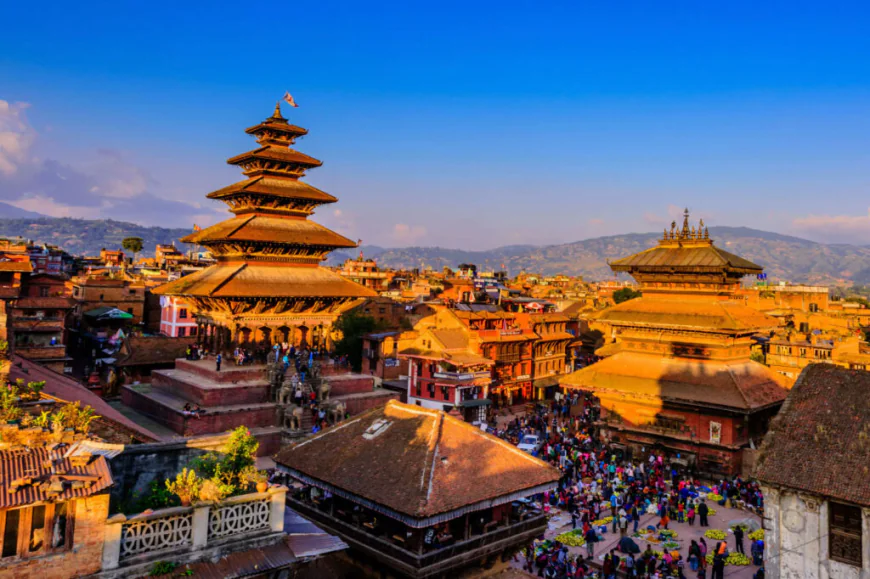
The introduction of two-day weekly holiday has significantly boosted domestic tourism across Nepal, resulting in a sharp rise in hotel occupancy and economic activity in major tourist destinations, reports The Rising Nepal.
Popular destinations such as Mustang, Pokhara, Chitwan, Dhulikhel, Nagarkot, Bandipur, Manang, and Sailung witnessed a surge in domestic travellers as families and groups took advantage of the extended weekend for short vacations.
The impact became particularly visible during the four-day holiday from May 28 to May 31, when tourist sites across the country experienced an overwhelming influx of visitors.
The government has decided to grant a public holiday on Sundays, effective from April 6, to help reduce fuel consumption and ensure smoother fuel supply management in the wake of Middle East conflict. Hotels in several tourist areas reported high occupancy, with many establishments reaching full capacity.
Tourism entrepreneurs said increased visitor movement has helped revive businesses dependent on seasonal and weekend travel.
They said the two-day holiday policy, which initially seemed unusual, has proven effective in revitalising tourism businesses and strengthening local economies.
Binayak Shah, President of the Hotel Association Nepal (HAN), said the two-day holiday has brought positive momentum to Nepal’s tourism sector by encouraging families to travel more frequently, particularly in the post-COVID period when leisure travel has grown. “The recent four-day holiday saw a sharp rise in domestic tourist movement, with hotels in major destinations reaching full occupancy, making accommodation difficult to secure,” he said.
According to Shah, the holiday system has encouraged people from urban centres, especially the Kathmandu Valley, to travel farther and spend more on accommodation, transport, restaurants, and recreational activities.
In the past, weekend travel was mostly limited to nearby destinations. However, the two-day holiday has encouraged people to visit even distant places,” he said. Lamichhane said more than 30,000 domestic tourists visited Ghandruk during the four-day holiday period between May 28 and May 31, demonstrating how extended holidays can boost economic activity in rural areas.
He added that occupancy increased significantly across hotels, from small lodges to luxury properties, with rooms becoming difficult to find during peak travel days.
Restaurants, local transport operators, souvenir shops, and small businesses have also benefited from the increased flow of tourists.
Despite the positive impact, entrepreneurs have raised concerns over the sustainability of the two-day holiday provision, stressing that continuity is essential for long-term domestic tourism growth.
Following the decline in foreign tourist arrivals during the COVID-19 period, the government introduced policies to encourage domestic travel, including tourism leave for employees.
Official statistics show that 1.15 million foreign tourists visited Nepal in 2025. By May 2026, Nepal had recorded 529,090 international visitor arrivals, while a large number of Indian tourists also entered via land borders.
What's Your Reaction?
 Like
0
Like
0
 Dislike
0
Dislike
0
 Love
0
Love
0
 Funny
0
Funny
0
 Wow
0
Wow
0
 Sad
0
Sad
0
 Angry
0
Angry
0

Comments (0)