Travel slowdown hits key tourism hubs in Chattogram
At the centre of the slowdown, stakeholders point to reduced mobility caused by recent fuel shortages and price increases, which have raised travel costs and discouraged long-distance trips
 Anindya Arif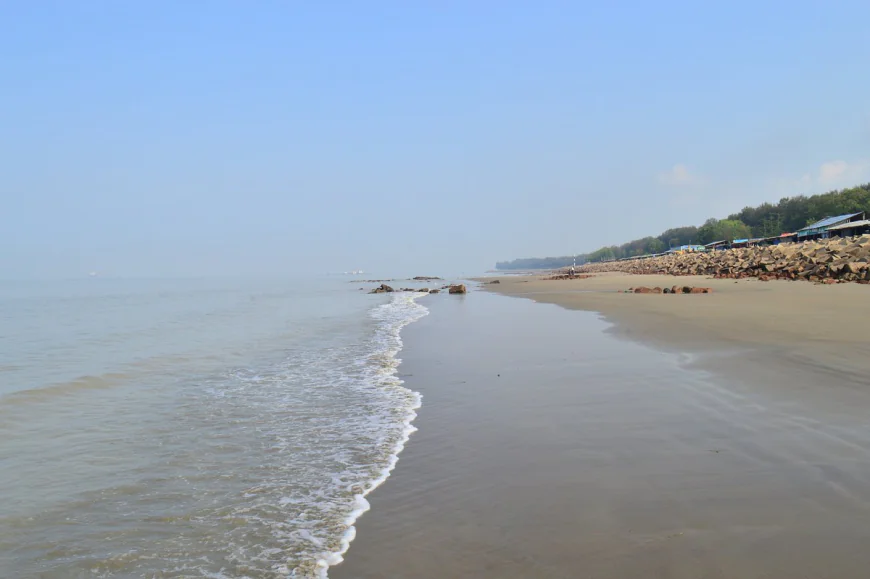
On a recent public holiday, Mohamaya Eco Park, typically crowded with hundreds of visitors, saw only a handful of tourists scattered along the lake embankment. Boat operators waited idly, while rows of unused kayaks remained lined up along the shore, underscoring a sharp decline in visitor numbers across the region.
Tourism operators say this is not an isolated case. A sustained drop in tourist arrivals has affected major destinations in Mirsarai and Sitakunda over the past several weeks, raising concerns about the broader economic impact on local businesses dependent on tourism.
At the centre of the slowdown, stakeholders point to reduced mobility caused by recent fuel shortages and price increases, which have raised travel costs and discouraged long-distance trips. Most visitors to these destinations typically travel from outside Chattogram, making them highly sensitive to transport disruptions.
The region is home to nearly 20 popular tourist destinations, combining hills, waterfalls, beaches, lakes and recreational parks. Visitors often explore multiple sites in a single trip, including Khoiyachora Waterfall, Napittachora Waterfall and Guliakhali Sea Beach, alongside eco parks, lakes and privately developed resorts.
However, the current situation presents a stark contrast.
“On holidays, it used to be difficult to find space, but now even 100 visitors do not arrive in a full day,” said Mosharaf Hossain, a boat operator at Mohamaya Eco Park, pointing to the financial strain faced by workers.
Tanvir Hossain Ratul, who manages a kayaking counter, said demand has dropped to unusually low levels. “Only eight people used kayaking services since morning, despite having around 50 boats. We are struggling to even cover salaries,” he said.
The impact is also visible beyond core tourist sites. At Muhuri Project, local trader Md Masud Rana said sales have fallen sharply. “There are far fewer visitors now. Earlier, holidays meant strong business, but that demand has almost disappeared,” he said.
Small roadside vendors are equally affected. Abdul Hamid, who sells basic tourist items near Khoiyachora Waterfall, said even favourable natural conditions are no longer drawing crowds. “There is water in the waterfalls, which usually attracts tourists, but visitors are still not coming. Sales have dropped significantly,” he said.
Operators managing leased tourist sites report mounting losses. SM Harun, director of AR Enterprise, which manages several waterfalls, said the downturn has persisted for over a month. “Previously, tourists came daily, with sharp increases at weekends. Now that flow has almost stopped,” he said, adding that weak consumer spending and higher travel costs are likely key factors.
Touhidul Islam, manager of Wasifa Enterprise, which holds the lease for Mohamaya Eco Park, warned of heavy financial losses. “The situation is very poor. Instead of profit, we expect losses of around Tk 1.2 crore this year. Tourist numbers have been extremely low for over a month,” he said.
He added that only 51 visitors were recorded on April 30, far below the expected daily average of over 500.
Industry insiders also point to broader economic pressures. Rising living costs have reduced discretionary spending on travel, while transport disruptions have further limited access.
Although the monsoon season typically draws visitors to the region’s waterfalls, stakeholders remain uncertain whether tourist numbers will recover significantly this year.
Tourism analysts say the downturn highlights how vulnerable regional tourism hubs are to economic shocks. Without stable transport systems and sufficient consumer spending, even well-established destinations can experience a rapid decline.
For now, operators are waiting for seasonal changes and improved travel conditions to revive activity in one of Chattogram’s most diverse tourism corridors.