Italy warns Bangladeshis against irregular migration
Migrants arriving illegally from Libya or other transit countries will no longer be allowed to enter Italian territory; they will be detained at the border and repatriated
 ATT Desk Report

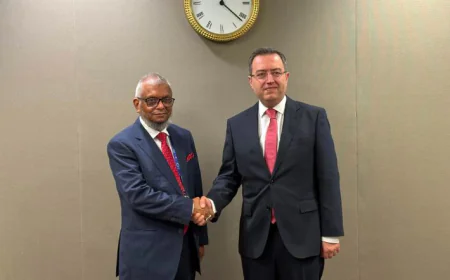
The Italian Embassy in Dhaka has urged Bangladeshi nationals to refrain from using irregular migration routes and warned them against relying on human traffickers, citing new European asylum and migration rules that came into effect on June 12.
Migrants arriving illegally from Libya or other transit countries will no longer be allowed to enter Italian territory. They will be detained at the border and repatriated, according to a notice posted on the embassy's verified Facebook page on Monday.

The embassy also said individuals entering Italy through irregular channels would not be allowed to remain in the country or work there.
The notice reiterated several messages aimed at prospective Bangladeshi migrants, warning them not to place themselves 'in the hands of traffickers and criminal networks' that offer false promises of entry into Europe.
It further stated that those who voluntarily pay to be smuggled into Italy become accomplices of human traffickers and could become involved in criminal activities.
At the same time, the embassy emphasised that legal pathways for migration remain available. It said that in 2025 and 2026, it had issued thousands of work, family and study visas to Bangladeshi citizens who complied with immigration rules.
The message comes as European countries continue to tighten migration policies and strengthen border management measures in response to ongoing irregular migration flows across the Mediterranean.
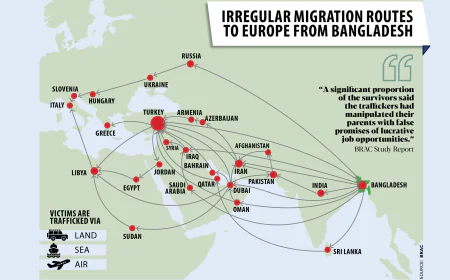
For years, Italy has been one of the main gateways for migrants and asylum seekers trying to enter Europe from North Africa, mainly through Libya, prompting successive governments to pursue stricter controls and agreements to curb irregular arrivals.
In recent years, Bangladesh has also been the focus of anti-human trafficking campaigns, with authorities and foreign missions repeatedly warning citizens against dangerous journeys facilitated by smuggling networks.