

Explore culture, heritage, tourism of Kurigram
A tour guideline for travellers to discover hidden beauty of Kurigram district
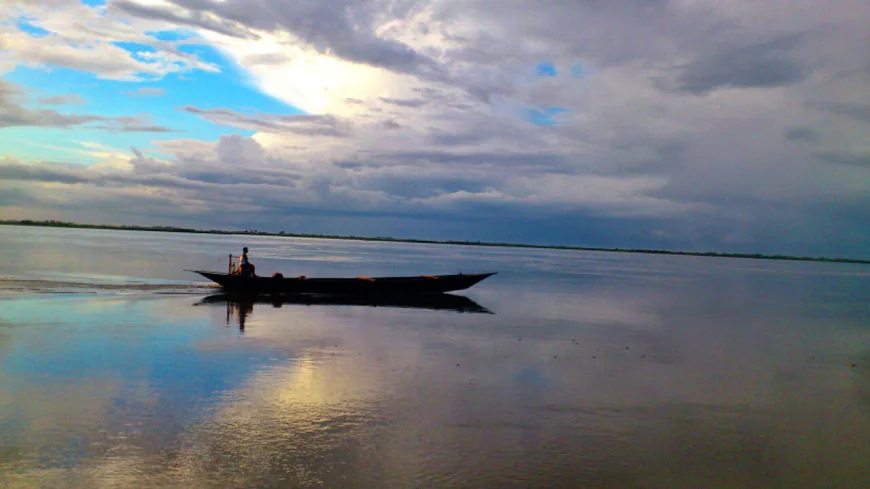
Kurigram, a district in the Rangpur Division of northern Bangladesh, is a land of rivers, rich cultural heritage and emerging tourist attractions. Bordered by the Indian states of Assam and Meghalaya to the east and West Bengal to the west, this district offers a unique blend of natural beauty, historical heritage and spiritual sites.
Despite being less known than other tourist destinations, Kurigram possesses significant potential for domestic and religious tourism.
Kurigram comprises of 9 upazilas. The district has 14 enclaves in India.
Some of its tourist spots are Dharla Bridge (Kurigram), Behular Char (Char Rajibpur), Ramna Ghat (Chilmari), Phulsagar (Phulbari), Naodanga Zamindar Bari (Phulbari), Bhitarbandh Zamindar Bari (Nageshwari), Chakir Poshar Beel (Rajarhat), Sindurmati Dighi (Rajarhat).
Dharla Park
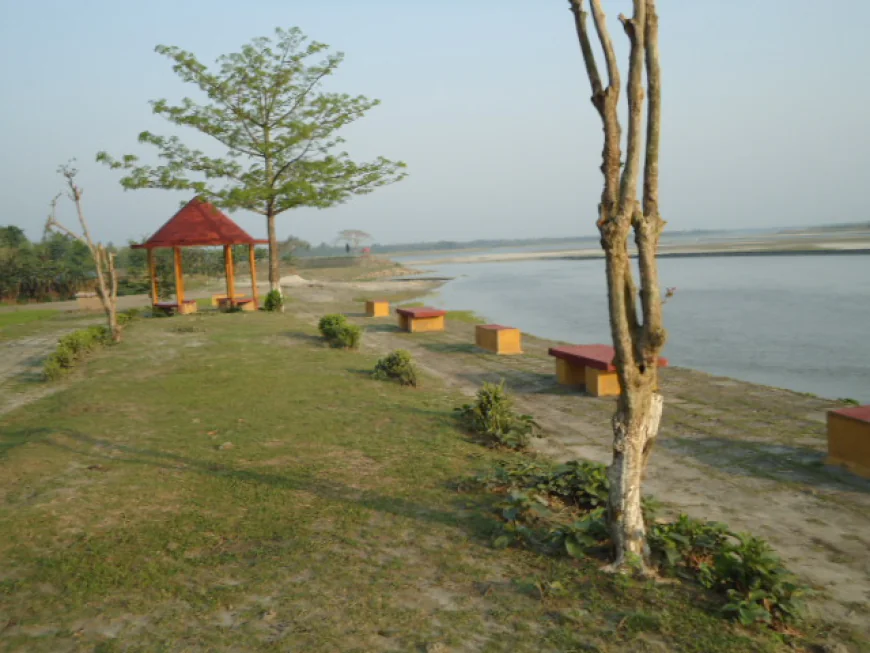
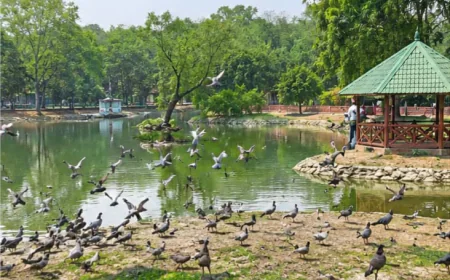
This park is located on the banks of the Dharla River in Kurigram Sadar Upazila. Hundreds of people visit it every day. Photo: Collected
A field investigation has revealed that about 4 kilometers from Kurigram town, on the east bank of the Dharla Bridge in the Madhabram Mouza, adjacent to the Kurigram-Bhurungamari road, there is a 30-acre plot of land owned by the Bangladesh Road Transport and Highways Division (RHD). To the east of this land lies the designated area for a Bhutanese Special Economic Zone.
Adjacent to that area is the groin dam (bank protection structure) of the Dharla Bridge. During holidays including Eid, entertainment seekers gather there. The area is known to the local residents as "Dharla Bandh" (Dharla Embankment). Recently, the Deputy Commissioner (DC) of Kurigram, Nusrat Sultana, has taken the initiative to construct an entertainment park named "DC Park" on 16 acres of that RHD land.
Dr Abu Nur Md Anisuzzaman, Professor of Political Science at Kurigram Government College, told the Aviation and Tourism Times, "The government could arrange seating facilities along the banks of the Dharla River. Toilet facilities should be available. Security needs to be strengthened. There are facilities for boat rides here, and these should be promoted further. People will visit if there are good food outlets nearby."
"Arrangements should be made to inform visitors about the historical background of each tourist spot. It is also necessary to highlight why Kurigram is geographically important. The Brahmaputra River enters Bangladesh through Kurigram. It is the widest river and carries most of the country's river water. People can be encouraged to take boat trips from the Chilmari port point if this history is properly presented," he added.
The professor said, "Kurigram was a very important area during the Liberation War. Thousands of freedom fighters (locals claim more than 50,000) received training at the C Zaman School field in Roumari. A massacre took place at Hatiya in Ulipur upazila, where more than 1,000 people were killed in a single night. There is a memorial erected in remembrance of Hatiya massacre, and visitors could be encouraged to see it."
After arriving in Kurigram, visitors should be able to learn from billboards installed along the banks of the Dharla River about other places they can visit in the district, he suggested.
Informing that the Pakistan army carried out the massacre on 13 November because Bir Uttam freedom fighter Ziaur Rahman and other freedom fighters had visited the area, Dr Anisuzzaman said, "For those who want to learn about history, understand geography, appreciate the beauty of rivers, and gain insight into the land of Bhawaiya music, a visit to Kurigram is important."
"Recently, the Maulana Bhashani Bridge over the Teesta River, linking Chilmari and Sundarganj in Gaibandha, has emerged as a place of interest for visitors. On the way to Durgapur, at Panchpir Bazar, stands the Bhawaiya Academy of renowned artist Bhubati Bhushan Barman. Visitors can listen to Bhawaiya songs there," he added.
according to him, the banks of the Dharla River near Kurigram town and the Chilmari river port are the district's most popular tourist attractions in the district.
Sindurmati Dighi (Rajarhat)
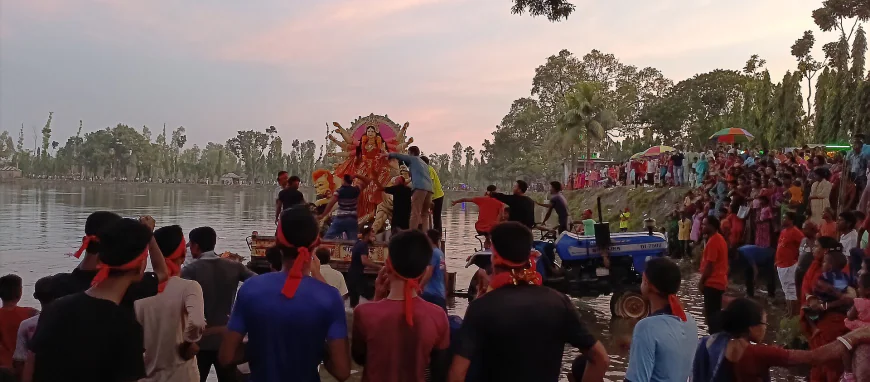
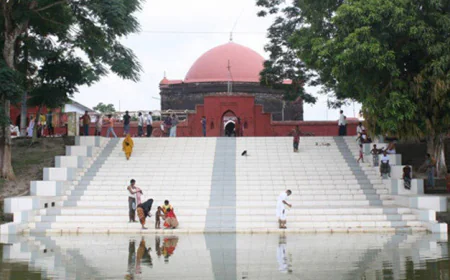
People from the country's Hindu community carry out the immersion of the idol of Goddess Durga into the Sindurmati Dighi. Photo: Collected
Sindurmati Tirthadham is a sacred Hindu pilgrimage site located in the Sindurmati Mouza on the border of Kurigram and Lalmonirhat districts in Bangladesh. It was established around the Sindurmati Dighi (pond). A large fair is held here on the occasion of Ram Navami in the month of Chaitra. On that day, pilgrims take a holy bath in this historic pond. During government-led renovation work on this pond in 1975, many ancient coins and statues were found, which are now preserved in the National Museum.
It is said that a Hindu zamindar named Raj Narayan Chakraborty excavated this pond in the hope of having children.
The North Bengal Museum
One of the most remarkable institutions in the district is the North Bengal Museum in Khalilganj Beparipara, Kurigram town. Established privately by lawyer and researcher S.M. Abraham Lincoln, this museum is built upon the memories of the 1971 Liberation War. It houses over 1,500 memorabilia, including weapons, wireless devices, and clothing used by freedom fighters, photographs of massacre victims, lists of war criminals, and documents of anti-independence activities. Currently operating from the founder’s residence, the government has undertaken a Tk 2.25 crore project to construct a new building for the museum.
Rowmari Tura Road Tourist Centre
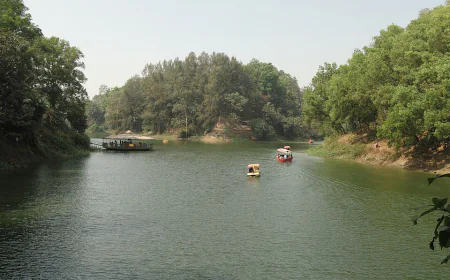
Rowmari Floating Park (also known as Tura Road Floating Park) is a unique tourist attraction located in Rowmari, Kurigram district, Bangladesh. The park presents it as a man-made floating recreational facility, likely built on a water body, offering visitors a park-like experience on the water.
Folk culture
Kurigram’s living heritage is its rich folk culture, which includes Bhawaiya songs, Palli geeti, Murshidi, Marfati, Baul songs, Jari gan, folk tales, riddles, and various traditional performance genres like Chatka songs and Goralir Panchali.
How to go from Dhaka
From Asadgate, Kallyanpur, and Gabtoli in Dhaka, one can go directly to Kurigram by Nabil, Haque Special, Hanif, Tanzila, or Ena buses. AC and non-AC bus fares range between 950 and 1400 Taka. Additionally, from Kamalapur Railway Station, one can reach Kurigram directly by Kurigram Express or Rangpur Express trains. Train ticket prices may range from 640 to 2197 Taka, depending on the class.
Where to stay
There are several good-quality residential hotels to stay in Kurigram. Hotel Arnab Palace, Hotel DK, and Hotel Mehedi provide clean and comfortable accommodation.
Kurigram district, with its riverine parks, floating attraction, historically rich museum, sacred pond, and vibrant folk traditions, offers a diverse tourism portfolio. With continued government support for infrastructure like the new museum building and DC Park, Kurigram has strong potential to become a notable destination in northern Bangladesh for travelers seeking nature, history, and culture.
What's Your Reaction?
 Like
0
Like
0
 Dislike
0
Dislike
0
 Love
0
Love
0
 Funny
0
Funny
0
 Wow
0
Wow
0
 Sad
0
Sad
0
 Angry
0
Angry
0
Comments (0)