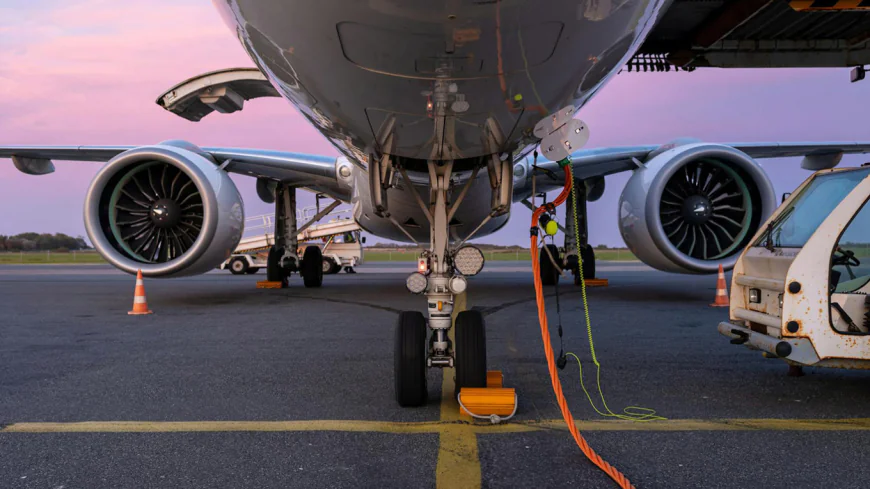
The Russian government has imposed a ban on aviation fuel exports until November 30, citing the need to stabilize domestic markets as Ukrainian drone attacks continue to cripple the country’s refining capacity, reports Bloomberg.
The ban, announced on Monday, marks Russia’s first-ever restriction on jet fuel exports, according to the RBC news outlet. Supplies to countries with active intergovernmental agreements with Russia will be exempt.
Ukrainian strikes on Russian oil refineries reached a record high in May, with at least 16 attacks targeting eight of Russia’s ten largest refineries, according to a Bloomberg tally. The Yanos refinery, co-owned by Rosneft and Gazprom Neft, was hit three times last month alone.
The cumulative impact has been severe. Refinery runs have plummeted to approximately 4.58 million barrels per day, the lowest level since October 2009, according to analytics firm OilX. That represents a 13% drop from a year earlier. Processing volumes have fallen to a 16-year low, Reuters data shows.
“The aim of this decision is to ensure stability in the domestic fuel market,” the government’s statement read. Russian Transport Minister Andrei Nikitin later assured reporters that there is no immediate jet fuel shortage, adding that the ban was introduced “based on the interests of our airlines.”
Russia exports jet fuel mainly by rail to Central Asian nations including Kazakhstan, Kyrgyzstan, Tajikistan, and Uzbekistan. The global market impact is expected to be limited, as Russia is not a major shipper of the fuel.
The ban follows an existing restriction on gasoline exports that remains in force until July 31. Despite that measure, gas stations in annexed Crimea have already begun rationing fuel to address local shortages.
Kyiv has intensified its campaign against Russian energy infrastructure to curb Moscow’s ability to profit from elevated oil prices amid the ongoing Iran war and closure of the Strait of Hormuz. Analysts note that Ukraine is now targeting complex secondary refining units, which are far costlier and harder to repair under Western sanctions.



 Like
0
Like
0
 Dislike
0
Dislike
0
 Love
0
Love
0
 Funny
0
Funny
0
 Wow
0
Wow
0
 Sad
0
Sad
0
 Angry
0
Angry
0


Comments (0)