

Thakurgaon, the hidden gem of North Bengal
A travel guideline for wanderers to discover the heritage and rustic beauty of Thakurgaon
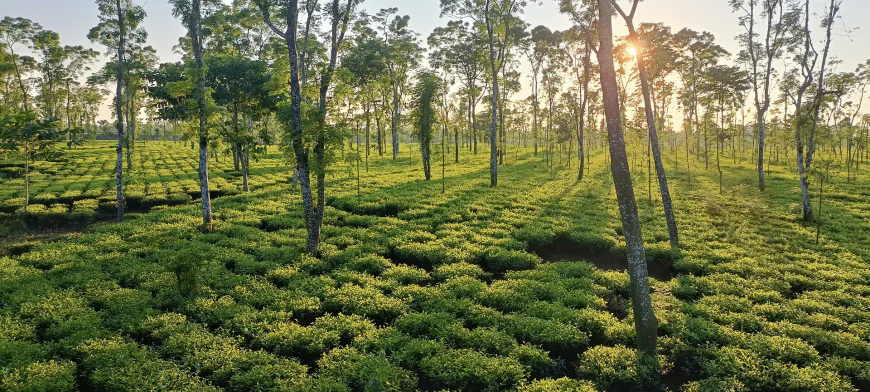
Thakurgaon endures one of the most captivating districts in North Bengal. Often overshadowed by its more famous neighbour, Panchagarh. Thakurgaon holds its own with a distinct blend of colonial-era architecture, mystic heritage, and grassroots cultural preservation.
This district offers travellers a rare chance to step away from crowded tourist spots like Cox’s Bazar or Sylhet. From a river museum that bottles Bangladesh’s lifelines to a palace frozen in the late 19th century and a mosque with a secret second wall, Thakurgaon narrates chronicles that deserve to be heard.
Thakurgaon District, administratively under Rangpur Division, shares long borders with Panchagarh, Dinajpur, and West Bengal, India. It is comprising seven subdistricts—Thakurgaon Sadar, Baliadangi, Ranisankail, Pirganj, Haripur, Ruhia, and Bhully.
Lokayan Life Diversity Museum
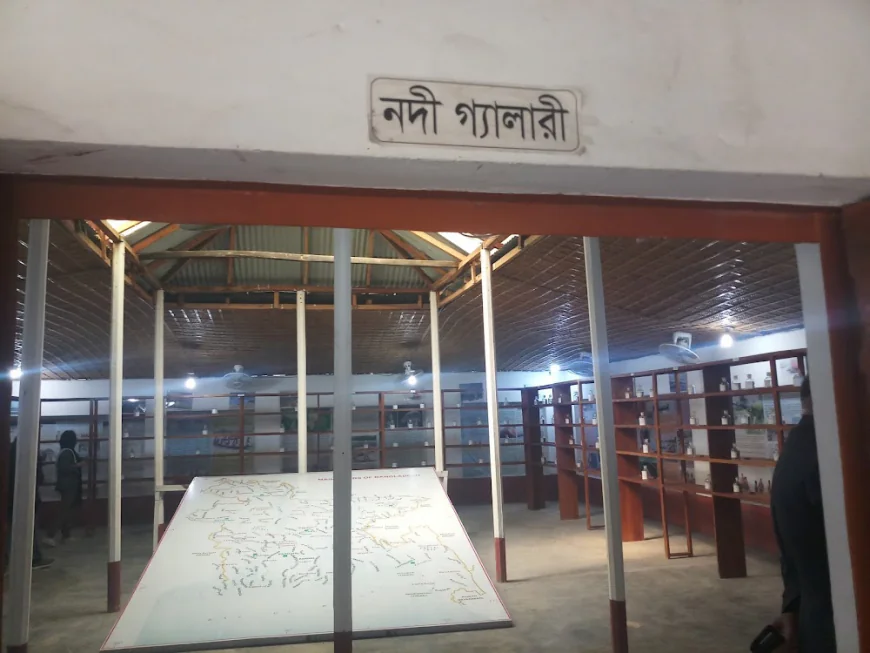
One of Thakurgaon’s most unusual and commendable attractions is the Lokayan Life Diversity Museum, established in 2006 by the Eco-Social Development Organisation (ESDO). Unlike conventional museums, it collects and displays water from most of Bangladesh’s rivers in carefully labeled bottles. Alongside the bottled waters, visitors can explore photo galleries, documentaries, poetry, and literary works dedicated to river conservation. The museum attracts 100–150 visitors daily, with numbers surging during holidays. But the experience does not end with rivers. The museum also vividly documents the lifestyles, livelihoods, and folk traditions of northern Bangladesh’s rural communities, displaying handwoven attire, fishing gear, plows, palanquins, and other artifacts that speak of a simpler, richer time.
Rajbari of King Tongnath
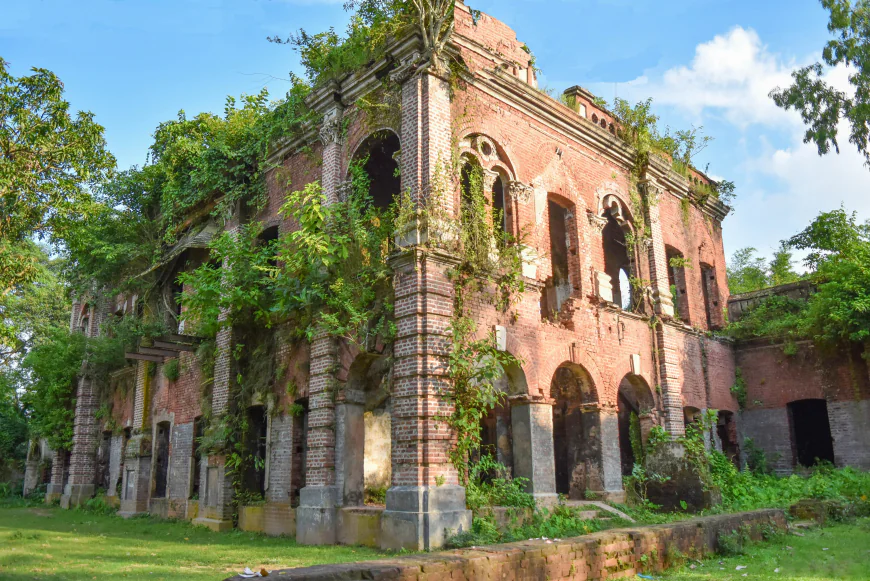
On the banks of the Kulik River in Ranisankail Upazila stands the palace of Zamindar King Tongnath of Malduar. Construction was initiated by his father, Buddhinath Chowdhury, but it was King Tongnath who completed the palace in the late 19th century. Though time and weather have left their marks, the palace remains a touching reminder of colonial Bengal’s architectural ambition and the quiet power of riverine zamindars.
Balia Mosque
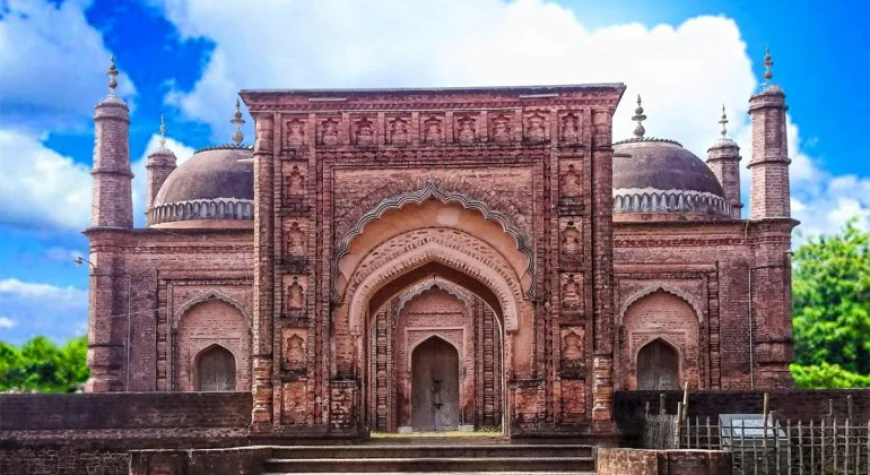
Perhaps no structure in Thakurgaon is as intriguing as the historic Balia Mosque, located in the Chhota Balia area of Thakurgaon Sadar Upazila, about 15 kilometers northeast of the town. Built in 1910, the mosque was commissioned by its founder Meher Baksh, who brought architects from abroad to realise his vision. The structure employs lime-surki mortar and handmade burnt bricks. Yet the real wonder lies inside the walls: during renovation, workers discovered that just 11 inches beneath the surface lay another wall bearing the exact same decorative design. Measuring 62.5 feet east-west and 69 feet north-south, the rectangular complex includes a stairway entrance, an open courtyard, and the main prayer hall, an architectural puzzle wrapped in silence.
Thakurgaon Airport
For aviation enthusiasts and history buffs, Thakurgaon Airport offers a melancholy stop. Established in 1940 on 550 acres of land, this airstrip was heavily damaged by the Indian Air Force during the Indo-Pak War of 1965. Renovated in 1977, it briefly accommodated commercial flights before passenger numbers disappeared. The airport was abandoned in 1980, and no scheduled flights operate today. Still, the vast runway and abandoned terminal remind memories of a time when Thakurgaon had its own link to the skies.
Where to Stay
Accommodation in Thakurgaon is modest but functional. Budget-conscious travelers can choose from hotels like Hotel Nurjahan and Hotel Mukta International, which offer basic services at reasonable rates. Government guests and officials often prefer the Circuit House or Rest House. For those seeking a more immersive experience, homestays are slowly emerging in the surrounding rural areas. Advance booking is recommended during peak seasons, as options remain limited.
How to go from Dhaka
Thakurgaon lies approximately 390 kilometers from Dhaka. By bus or private car, the journey takes about 9–10 hours via the national highway network. For air travelers, the nearest operational airport is in Saidpur, about 75 kilometers away, from where taxis or local buses can complete the trip.
Thakurgaon may not yet feature in glossy travel magazines, but that is precisely its charm. It is a district for the traveller, one who finds wonder in bottled river water, mystery within double walls, and history on the banks of the Kulik.
What's Your Reaction?
 Like
0
Like
0
 Dislike
0
Dislike
0
 Love
0
Love
0
 Funny
0
Funny
0
 Wow
0
Wow
0
 Sad
0
Sad
0
 Angry
0
Angry
0
Comments (0)