Migration slowdown threatens manpower export targets
Monthly overseas employment clearances have remained between 44,000 and 65,000 since February, significantly below the post-Covid average of around 100,000 workers per month
 ATT Correspondent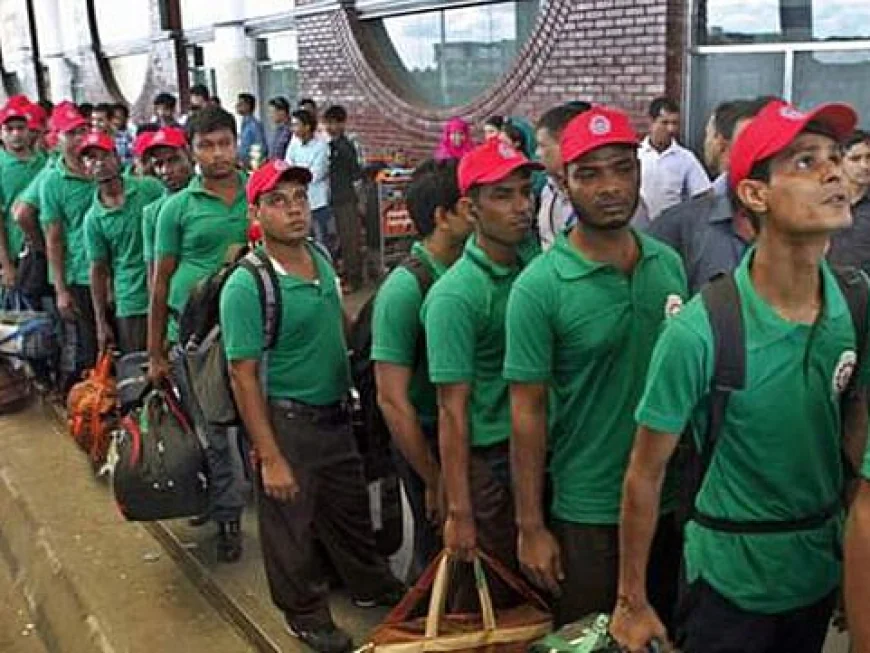
Bangladesh's overseas labour migration has fallen to pre-pandemic levels, raising concerns over the government's ambitious manpower export targets and the long-term outlook for remittance growth.
According to data from the Bureau of Manpower, Employment and Training (BMET), monthly overseas employment clearances have remained between 44,000 and 65,000 since February, significantly below the post-Covid average of around 100,000 workers per month.
Industry insiders attribute the slowdown to ongoing tensions in the Middle East and stricter visa documentation requirements imposed by Saudi Arabia, Bangladesh's largest overseas labour market. Recruiters say additional verification procedures, including embassy-attested job demand letters, have slowed the recruitment process and reduced the number of new visas.
The decline comes despite strong remittance inflows. According to Bangladesh Bank, the country received $3.42 billion in remittances in May, a 15.34% increase compared with the same period last year.
Experts warn that a prolonged slowdown could make it difficult for the government to achieve its target of sending 1.4 million workers abroad in the next fiscal year. It could also hamper broader efforts to expand overseas employment opportunities and sustain future remittance growth.
Recruiters have urged the government to intensify diplomatic efforts to reopen key labour markets, including Malaysia, Oman, Bahrain and the United Arab Emirates. They also stressed the need to diversify beyond traditional Gulf destinations by exploring opportunities in emerging markets across Asia, Central Asia, Africa and Europe.
Migration experts said Bangladesh must invest more in skills development, language training and labour diplomacy to remain competitive in the global labour market as demand patterns continue to evolve.