

Canada rejects 84% of Bangladeshis seeking World Cup visa
A total of 285 Bangladeshis applied for temporary visas to travel to Canada for the tournament, but only 45 applications were approved, while 240 were refused

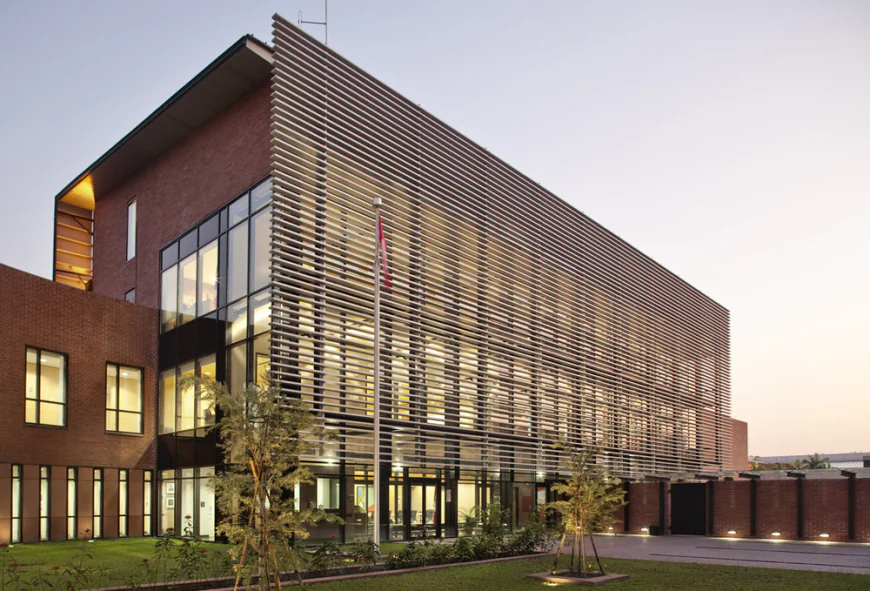
Most Bangladeshi football fans hoping to watch the 2026 FIFA World Cup in Canada have seen their plans thwarted after more than 84% of visa applications from Bangladesh were rejected.
According to the latest figures released by Immigration, Refugees and Citizenship Canada (IRCC), a total of 285 Bangladeshis applied for temporary visas to travel to Canada for the tournament. However, only 45 applications were approved, while 240 were refused, resulting in a rejection rate of 84.21%.
The data forms part of a wider analysis covering applications submitted between 14 November last year and 31 March this year.
Globally, Canada received around 17,000 applications from football supporters across more than 160 countries and territories seeking to attend the 2026 FIFA World Cup. Overall, only 41% of applicants were granted entry, while 59% were refused.
The figures also reveal significant disparities among applicant countries.
Ghana recorded the highest number of applications, with at least 1,725 processed. However, fewer than 11% were approved.
By contrast, Colombia enjoyed a much higher success rate. Despite having no scheduled World Cup matches in Canada during the tournament, 69% of its 1,630 applicants received visas.
IRCC said travellers generally require either a Temporary Resident Visa (TRV) or an Electronic Travel Authorisation (eTA) to enter Canada.
Applicants from countries eligible for the online eTA system, including Australia and Germany, recorded approval rates of around 96%, with virtually all applications accepted.
However, applicants from countries requiring a regular visitor visa, including Bangladesh, faced much stricter scrutiny. The approval rate for this group stood at just 32%.
According to Canadian immigration rules, applicants must demonstrate sufficient financial resources, a credible travel itinerary and strong evidence that they will return to their home country after their visit.
The data also showed that all applications from countries including Syria, Uganda and Sri Lanka were refused during the reporting period.
What's Your Reaction?
 Like
0
Like
0
 Dislike
0
Dislike
0
 Love
0
Love
0
 Funny
0
Funny
0
 Wow
0
Wow
0
 Sad
0
Sad
0
 Angry
0
Angry
0



Comments (0)