

Infrastructure, branding vital for attracting foreign visitors: BPC
Bangladesh Parjatan Corporation GM Md Ziaul Haque Howlader discusses tourism challenges, strategies for attracting foreign tourists, infrastructure gaps, skills development and major upcoming projects in Cox’s Bazar and other major tourist destinations

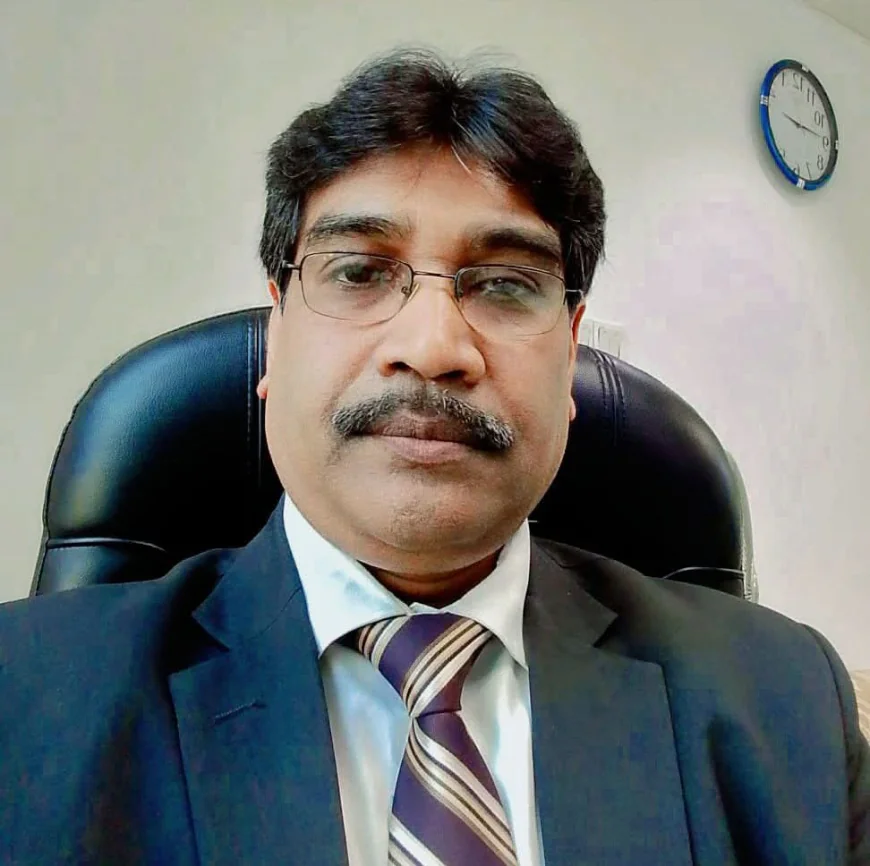
Bangladesh’s tourism sector has huge potential, but poor connectivity, limited infrastructure, weak international promotion and a lack of coordinated planning continue to slow its growth, said Md Ziaul Haque Howlader, general manager (planning, statistics and training) of Bangladesh Parjatan Corporation (BPC). In an exclusive interview with Aviation & Tourism Times (ATT) recently, he discussed the country’s tourism challenges, strategies for attracting foreign tourists, infrastructure gaps, skill development and major upcoming projects in Cox’s Bazar and other major tourist destinations. Excerpts from the interview are given below.
ATT: What are the main barriers to tourism development in Bangladesh?
Md Ziaul Haque Howlader: The biggest challenge is connectivity to tourist destinations. Main highways may be good, but many tourist spots are located away from those roads. In many cases, roads are narrow and not tourist-friendly. For example, roads connecting areas near Kantajew Temple, Nayabad Mosque, Ratargul, Jaflong and Bichanakandi still need major improvement. Tourist buses often face difficulties accessing these destinations.
Tourism development also requires coordination among many agencies, including LGED, the Roads and Highways Department, local administration, environmental authorities and planning agencies. Without a multi-sector approach, tourism cannot grow properly.
ATT: How important is infrastructure development for tourism growth?
Howlader: Infrastructure is extremely important. Tourists want comfortable travel, better roads, proper sanitation, quality accommodation and safe transport. In Old Dhaka, for example, there are many heritage sites such as Ahsan Manzil, Lalbagh Fort, Rose Garden and Beauty Boarding. But traffic congestion and narrow roads discourage tourists. We are working on alternative tourist routes to improve accessibility.
Similarly, in Cox’s Bazar, the Marine Drive road is beautiful, but more organised planning and environmentally balanced development are necessary.
ATT: Bangladesh still receives relatively few foreign tourists. Why?
Howlader: International promotion remains weak. Competing countries aggressively market their tourism products abroad through roadshows, travel fairs and diplomatic missions. Bangladesh also needs stronger branding and international campaigns.
Travel advisories issued by some countries also discourage tourists. We are working with the foreign ministry to resolve those issues. Japan has already relaxed some travel advisories related to Bangladesh.
We also want to attract high-spending tourists who stay longer and contribute more to the economy. Countries such as Bhutan follow a 'low-volume, high-value' tourism strategy, and Bangladesh can also learn from such models.
ATT: What steps are being taken to improve tourism services and skills?
Howlader: Human resource development is very important. Tourism is a service industry. Skilled workers are essential for hotels, restaurants, tour operations and hospitality services. Bangladesh Parjatan Corporation conducts training programmes through the National Hotel and Tourism Training Institute in Dhaka. We provide courses on food preparation, hotel management, housekeeping, tour guiding and hospitality services.
Many graduates from our institute are now working in hotels in Bangladesh and abroad, including in Dubai, the UK and other countries. They are also contributing to remittance earnings. We are also training local communities in tourist areas on hygiene, food safety and homestay management to improve the visitor experience.
ATT: Are there any major upcoming tourism projects?
Howlader: Yes, several projects are under preparation. One major project is a tourism training centre and hotel complex in Cox’s Bazar with an estimated cost of Tk275 crore.
The project will include training facilities, hotel operations and practical hospitality learning opportunities for students. We hope the project approval process will be completed soon. We are also planning a large tourism complex around Hotel Probal and Motel Upal in Cox’s Bazar. The project may involve investments worth Tk700-800 crore initially, with potential for future expansion.
It will include water-based recreation, entertainment zones, shopping facilities, cultural activities, children’s attractions and international-standard tourism services.
ATT: What is needed most for Bangladesh’s tourism future?
Howlader: Tourism development takes time. It requires long-term planning, investment, branding and improvements in service quality.
Bangladesh has natural beauty, heritage and cultural diversity. But we must improve infrastructure, environmental management, international promotion and service standards together. If these areas improve, Bangladesh can become a strong tourism destination in the region within the next few years.
ATT: Thank you so much for your time and comments.
Howlader: Welcome. Good luck for Aviation & Tourism Times.
What's Your Reaction?
 Like
0
Like
0
 Dislike
0
Dislike
0
 Love
0
Love
0
 Funny
0
Funny
0
 Wow
0
Wow
0
 Sad
0
Sad
0
 Angry
0
Angry
0

Comments (0)