

Right policies can ensure $2-3b earnings from tourism
We facilitate a significant number of international visitors to Bangladesh

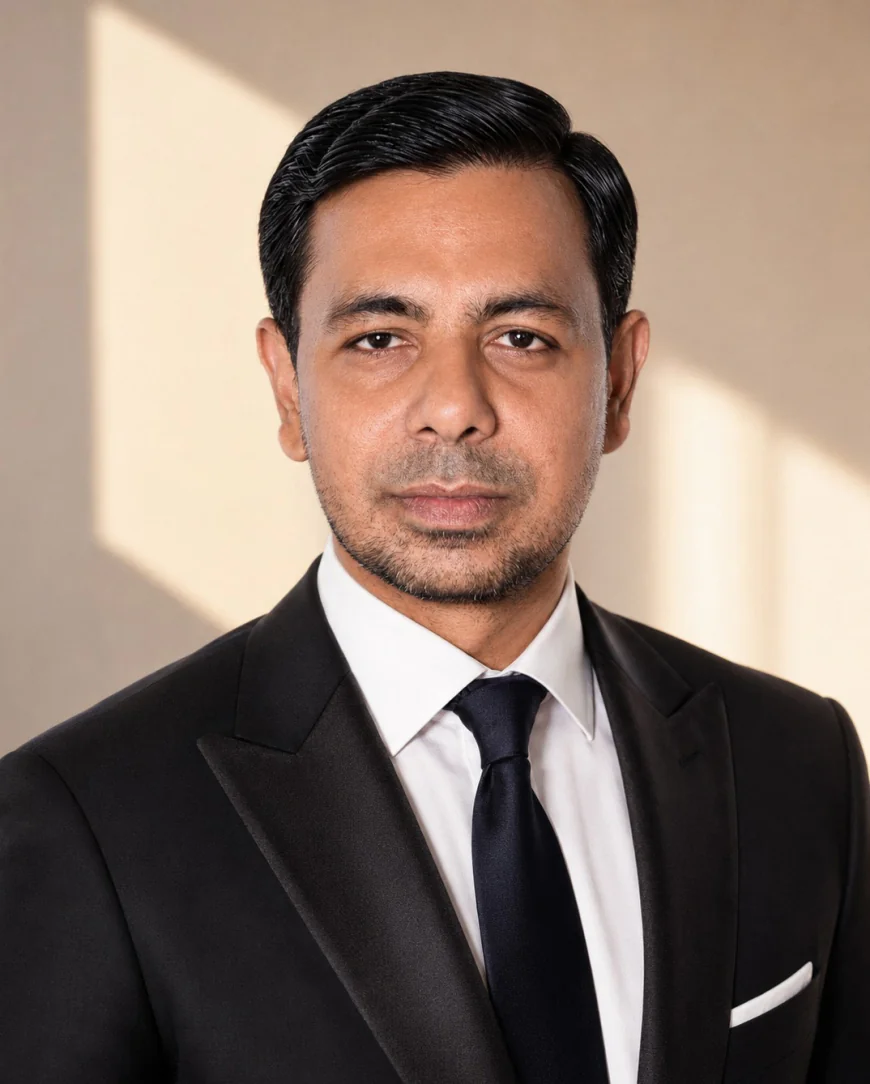
Bangladesh possesses some of South Asia's most promising tourism assets, from the world's longest natural sea beach in Cox's Bazar to the Sundarbans mangrove forest. Yet the country continues to underperform as an international tourism destination. In an exclusive interview with Aviation and Tourism Times (ATT), Masum Pervez, chief executive officer of Tourifye, shares his insights on the challenges holding the sector back and the policy reforms needed to unlock its full potential.
ATT: You began your career with the Malaysian Ministry of Tourism. How did that experience shape your vision for Bangladesh tourism?
Masum Pervez: I worked with the Malaysian Ministry of Tourism at the Malaysian High Commission in Dhaka until 2007. My primary responsibility was promoting Malaysia as a destination for Bangladeshi travellers. During that time, I closely observed how Malaysia developed tourism through strategic policies, destination marketing and strong public-private collaboration.
That experience inspired me to pursue tourism as a career. In 2007, I left my job and launched my own tourism business with a simple mission: promoting Bangladesh to international visitors.
ATT: What motivated you to start your own tourism business?
Masum Pervez: It was certainly a risk. I had no guarantee of success, but I believed Bangladesh had enormous untapped tourism potential. Initially, our focus was on promoting the country internationally under the "Visit Bangladesh" concept.
The early years were difficult. However, by 2011, we started attracting international travellers and building a sustainable business. Today, our operations are fully technology-driven and focused on bringing foreign visitors to Bangladesh.
ATT: What role does Tourifye currently play in Bangladesh's tourism industry?
Masum Pervez: We facilitate a significant number of international visitors to Bangladesh. We work with major global travel platforms and provide customer support services for hotel bookings, travel arrangements and visitor assistance.
Every month, we handle between 1,200 and 1,400 traveller movements. Beyond generating foreign currency earnings, we also encourage visitors to explore destinations across Bangladesh rather than limiting their stay to Dhaka.
ATT: What are the biggest challenges facing Bangladesh's tourism sector today?
Masum Pervez: The first challenge is the absence of a clear national tourism vision. The government must decide whether tourism is truly a priority economic sector.
The second issue is infrastructure. We have world-class tourism assets, but we lack the supporting facilities, services and connectivity required to attract international travellers.
Safety, visitor management, destination branding and service standards also require significant improvement.
ATT: You have often spoken about the need for professional licensing. Why is this important?
Masum Pervez: Tourism service providers, including guides, transport operators and interpreters, should operate under a formal licensing system.
A licensed guide provides confidence to tourists and creates accountability. The government could introduce training programmes and certification schemes to develop professional tourism personnel.
Such initiatives would improve service quality while creating employment opportunities for young people.
ATT: What policy reforms would help tourism businesses grow?
Masum Pervez: Tourism businesses face considerable tax burdens despite operating on very thin profit margins.
When foreign currency enters the country through tourism, businesses should be encouraged rather than penalised. The government could introduce incentives for companies that successfully attract international visitors.
Tourism should be recognised as an export-oriented service sector because it brings valuable foreign exchange to Bangladesh.
ATT: Cox's Bazar is often described as Bangladesh's flagship tourism product. What more needs to be done?
Masum Pervez: Cox's Bazar has the potential to become a leading international destination, but infrastructure alone is not enough.
The international airport must be supported by direct foreign airline services. Airlines should be encouraged to operate flights directly to Cox's Bazar rather than routing all passengers through Dhaka.
Equally important are cleanliness, security, entertainment facilities, shopping options and international-standard dining experiences.
ATT: How can Bangladesh attract more foreign visitors?
Masum Pervez: We need stronger international promotion. Bangladesh embassies should actively engage with foreign tour operators and travel agencies to showcase our destinations.
We should organise roadshows, familiarisation trips and targeted marketing campaigns in key source markets such as China and India.
International journalists and travel influencers should also be invited to experience and report on Bangladesh.
ATT: You have suggested creating special tourism zones. How would that help?
Masum Pervez: Special tourism zones could attract investment and improve visitor experiences.
For example, Cox's Bazar could become a shopping, food and entertainment destination in addition to being a beach resort. Tax incentives, international brands, quality restaurants and family-friendly attractions would encourage visitors to stay longer and spend more.
ATT: What is your vision for Bangladesh tourism over the next decade?
Masum Pervez: Bangladesh can realistically generate between $2bn and $3bn annually from tourism if the right policies are implemented.
The country already has the natural attractions. What we need now is strategic planning, infrastructure development, international connectivity, professional service standards and a long-term commitment to tourism growth.
If those elements come together, Bangladesh can become one of Asia's most exciting emerging tourism destinations.
ATT: Thank you for your time.
Masum Pervez: Thank you. I remain optimistic that Bangladesh can achieve remarkable success in tourism if we work together and create the right environment for visitors and investors alike.
What's Your Reaction?
 Like
0
Like
0
 Dislike
0
Dislike
0
 Love
0
Love
0
 Funny
0
Funny
0
 Wow
0
Wow
0
 Sad
0
Sad
0
 Angry
0
Angry
0
Comments (0)