

US hotels may fall short from World Cup boom
US hotel operators state booking levels well below forecasts ahead of the 2026 FIFA World Cup due to FIFA's room cancellations, stricter visa policies, and rising costs, raising concerns about the anticipated economic boom for the hospitality sector

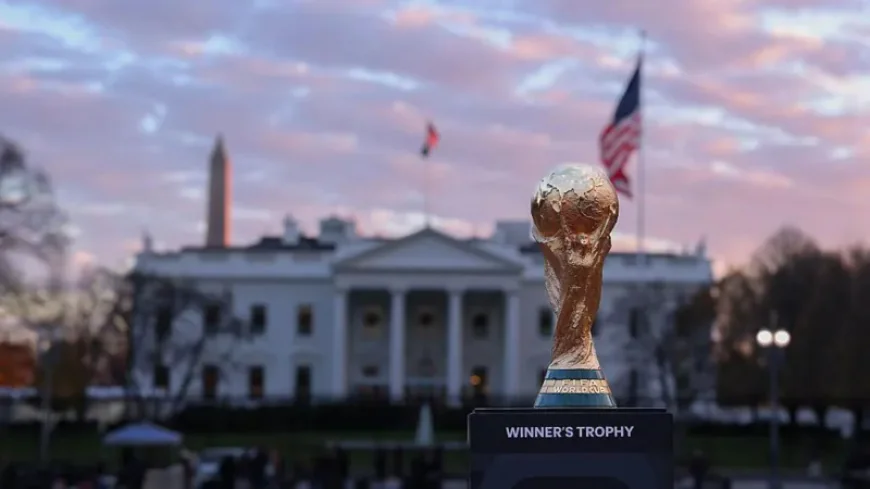
Hotel operators across the United States, report booking levels remain well below forecasts, raising concerns about the economic impact of FIFA World Cup on the hospitality sector.
A recent report published by the American Hotel & Lodging Association revealed that many hotels in host cities have yet to experience the anticipated rise in reservations ahead of the global football event. Although the tournament is expected to attract millions of fans from around the world, hotel owners say the current pace of bookings has been disappointing.
Earlier this month, the association released its “Hotel Outlook Report” examining the opportunities and challenges facing the industry before the 2026 FIFA World Cup. The report highlighted that domestic travellers currently account for a larger share of reservations than international visitors, contrary to earlier expectations.
The survey included hotel operators from several host cities, including Atlanta, Boston, Dallas, Houston, Kansas City, Los Angeles, Miami, New York City, Philadelphia, San Francisco and Seattle.
According to the report, several factors have contributed to the weaker-than-expected demand. These include FIFA’s cancellation of previously reserved hotel rooms, stricter US visa policies affecting visitors from several countries, and rising travel and accommodation costs.
Around 80% of respondents surveyed said hotel bookings were significantly lower than originally anticipated. Hotel owners also claimed that FIFA’s earlier large-scale room reservations created an artificial shortage in the market. However, once those excess reservations were cancelled, many hotels were left with a substantial number of vacant rooms.
The sharpest decline has reportedly been recorded in Kansas City, where between 85% and 90 of respondents said booking levels were below expectations and even lower than typical June or July occupancy rates.
Industry analysts believe the coming months will be crucial in determining whether international demand increases closer to the tournament. The 2026 FIFA World Cup, which will be jointly hosted by the United States, Canada and Mexico, is expected to be one of the largest sporting events in history.
What's Your Reaction?
 Like
0
Like
0
 Dislike
0
Dislike
0
 Love
0
Love
0
 Funny
0
Funny
0
 Wow
0
Wow
0
 Sad
0
Sad
0
 Angry
0
Angry
0





Comments (0)