

No licence for hotels, restaurants sans ramps
With an aim to make tourism and hospitality sector disability-friendly, the government has made accessibility mandatory for hotels, restaurants

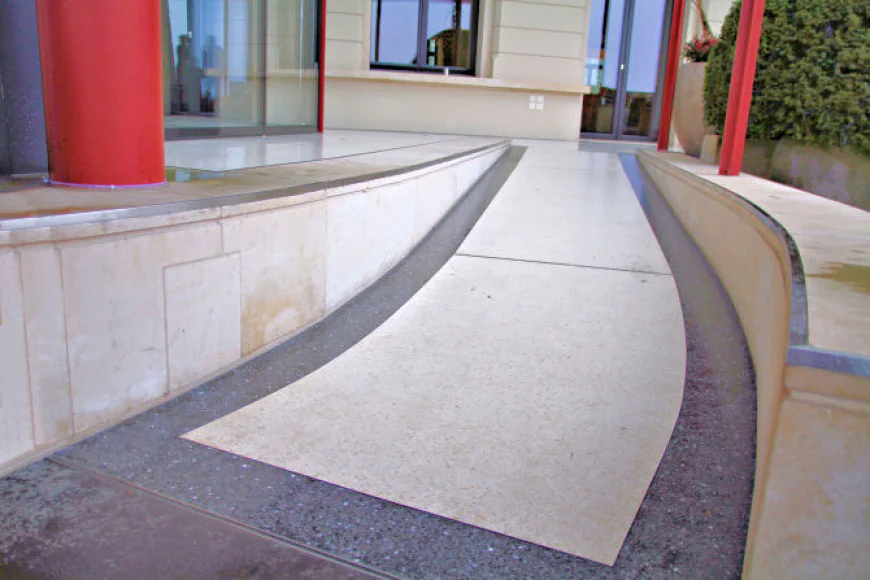
Bangladesh is set to introduce one of its strongest accessibility enforcement measures yet, making ramps and accessible toilets mandatory for restaurants, residential hotels and cafés operating within city corporation areas, according to a Local Government Division directive.
Under the new directive, businesses failing to ensure accessibility for persons with disabilities could face cancellation of trade licences or denial of licence renewals — a move officials say is aimed at transforming urban hospitality infrastructure into a more inclusive and rights-based system.
The directive was issued by the Local Government Division on May 14 through a letter sent to the chief executive officers of all city corporations across the country.
The decision followed a high-level meeting on May 13 chaired by Prime Minister Tarique Rahman on protecting the rights of persons with disabilities and ensuring service accessibility.
According to the official instruction, all restaurants, cafés and residential hotels located within city corporation jurisdictions must install separate ramps and accessible toilet facilities for persons with disabilities within a “reasonable timeframe”.
Authorities have also been instructed to verify accessibility compliance during the issuance and renewal of trade licences.
Officials say the move marks a significant policy shift for Bangladesh’s tourism and hospitality sector, where accessibility has long remained largely overlooked despite rapid urban growth and the expansion of commercial dining and accommodation facilities.
For many wheelchair users and people with mobility challenges, visiting restaurants or hotels in major cities remains difficult due to narrow entrances, stair-only access and the lack of usable washrooms.
In many establishments, even when entry is somehow managed, accessible restroom facilities remain absent.
Disability rights advocates say the issue is not merely about convenience but about equal citizenship and social participation.
According to the National Survey on Persons with Disabilities 2021 conducted by the Bangladesh Bureau of Statistics (BBS), around 2.8 percent of Bangladesh’s population lives with some form of disability, equivalent to nearly 4.6 million people.
The survey also found that 2.45 percent of urban residents are persons with disabilities, highlighting the importance of accessible infrastructure in city-based commercial and tourism facilities.
Urban planners and accessibility campaigners say the new directive could significantly influence future development standards in Bangladesh’s tourism economy.
“This is not charity. Accessibility is part of basic civic rights,” said a disability rights activist working on inclusive urban design.
Experts note that accessibility involves much more than constructing a symbolic ramp.
The slope gradient, entrance width, wheelchair turning space inside toilets and safe movement pathways are all critical components of usable accessibility infrastructure.
“In many places, ramps are built only to satisfy paperwork requirements but remain practically unusable,” said an architect involved in disability-inclusive building design.
The directive also aligns with existing legal obligations under the Rights and Protection of Persons with Disabilities Act, 2013, which requires accessibility in public facilities and services.
Bangladesh’s National Building Code also includes provisions related to safe and accessible infrastructure for all users, particularly in public-use buildings.
In recent months, the issue has gained wider public attention following a writ petition filed before the High Court seeking mandatory installation of ramps in government institutions.
The High Court later issued a rule highlighting the need to ensure accessibility in accordance with the Building Construction Rules 2008 and disability protection laws.
Industry insiders say implementation will now become the key challenge.
According to a 2021 BBS survey on the restaurant sector, Bangladesh had more than 436,000 hotels and restaurants nationwide, the vast majority of them privately owned.
Many businesses, especially those operating in older commercial buildings, may require substantial redesign and renovation to comply with the new standards.
Still, tourism experts believe the policy could improve Bangladesh’s international image as an inclusive destination.
Global tourism trends increasingly prioritise accessible travel experiences, particularly for elderly travellers and persons with disabilities.
Countries promoting inclusive tourism infrastructure are often viewed more favourably by international visitors and travel operators.
Local Government State Minister Mir Shahe Alam said urban services must be accessible to everyone.
“If a person with disabilities cannot normally enter a restaurant, hotel or café, it is not just an infrastructure gap — it is a question of civil rights,” he said.
He added that city corporations have been instructed to give serious importance to disability-friendly arrangements while issuing and renewing licences.
With the new directive, Bangladesh’s hospitality industry may now be entering a new phase where accessibility is no longer optional but a regulatory requirement directly tied to business survival.
What's Your Reaction?
 Like
0
Like
0
 Dislike
0
Dislike
0
 Love
0
Love
0
 Funny
0
Funny
0
 Wow
0
Wow
0
 Sad
0
Sad
0
 Angry
0
Angry
0

Comments (0)